
Learning together
Reward-based teaching, manageable steps and a little more understanding on both ends of the lead.

Choose a reward your dog actually enjoys
A useful reward is something your dog welcomes in that moment, not something the label promises every dog will love.
Read the guide ↗
Teach a clear reward marker
One short word can tell your dog exactly which moment earned the reward, provided you build and keep that connection.
Read the guide ↗
Keep a training session short enough to succeed
Small sessions make it easier to notice what your dog understands and finish before the exercise becomes muddled.
Read the guide ↗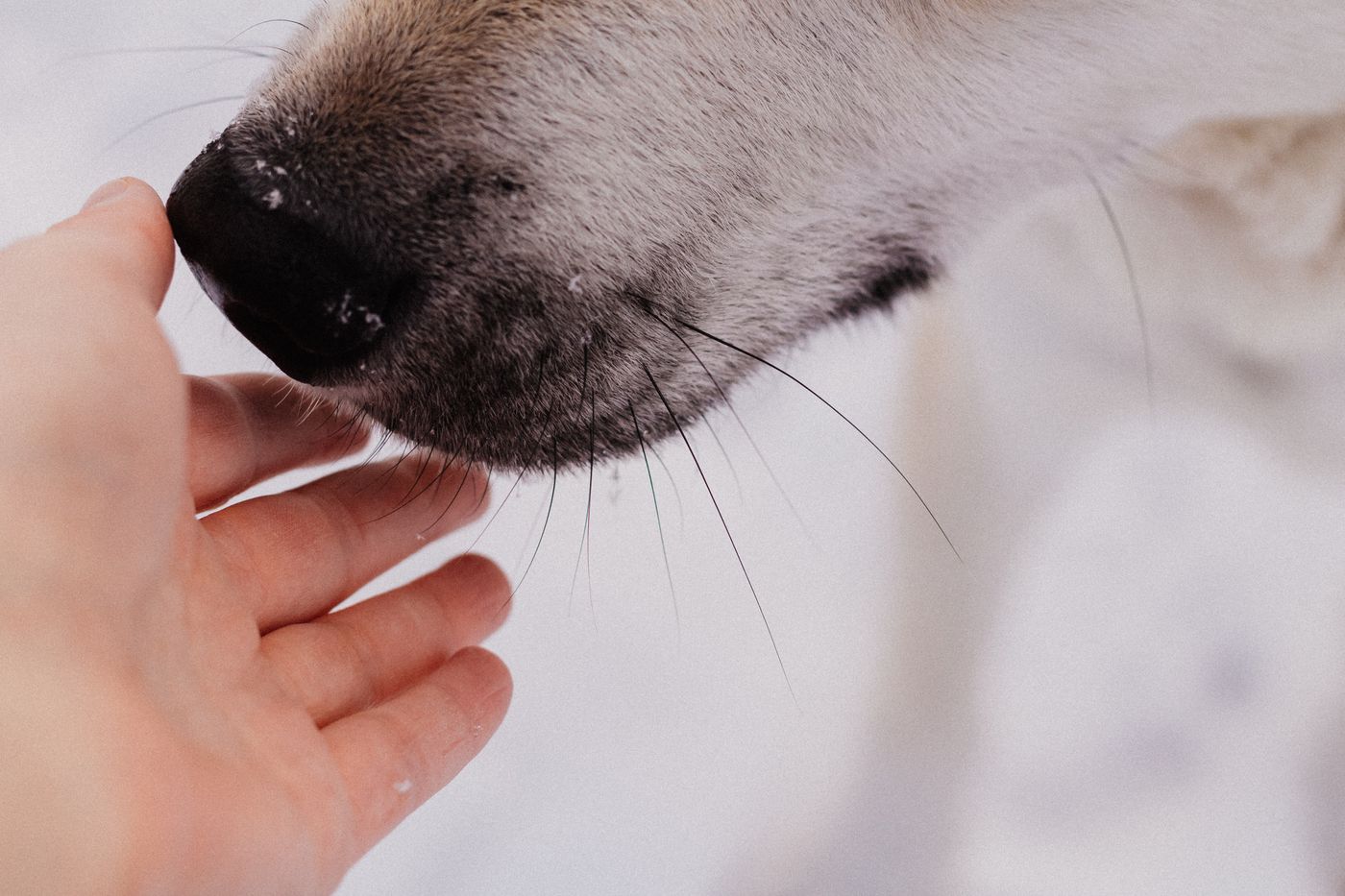
Teach a hand target
A nose touch to an open palm can become a gentle way to invite movement without pulling your dog into position.
Read the guide ↗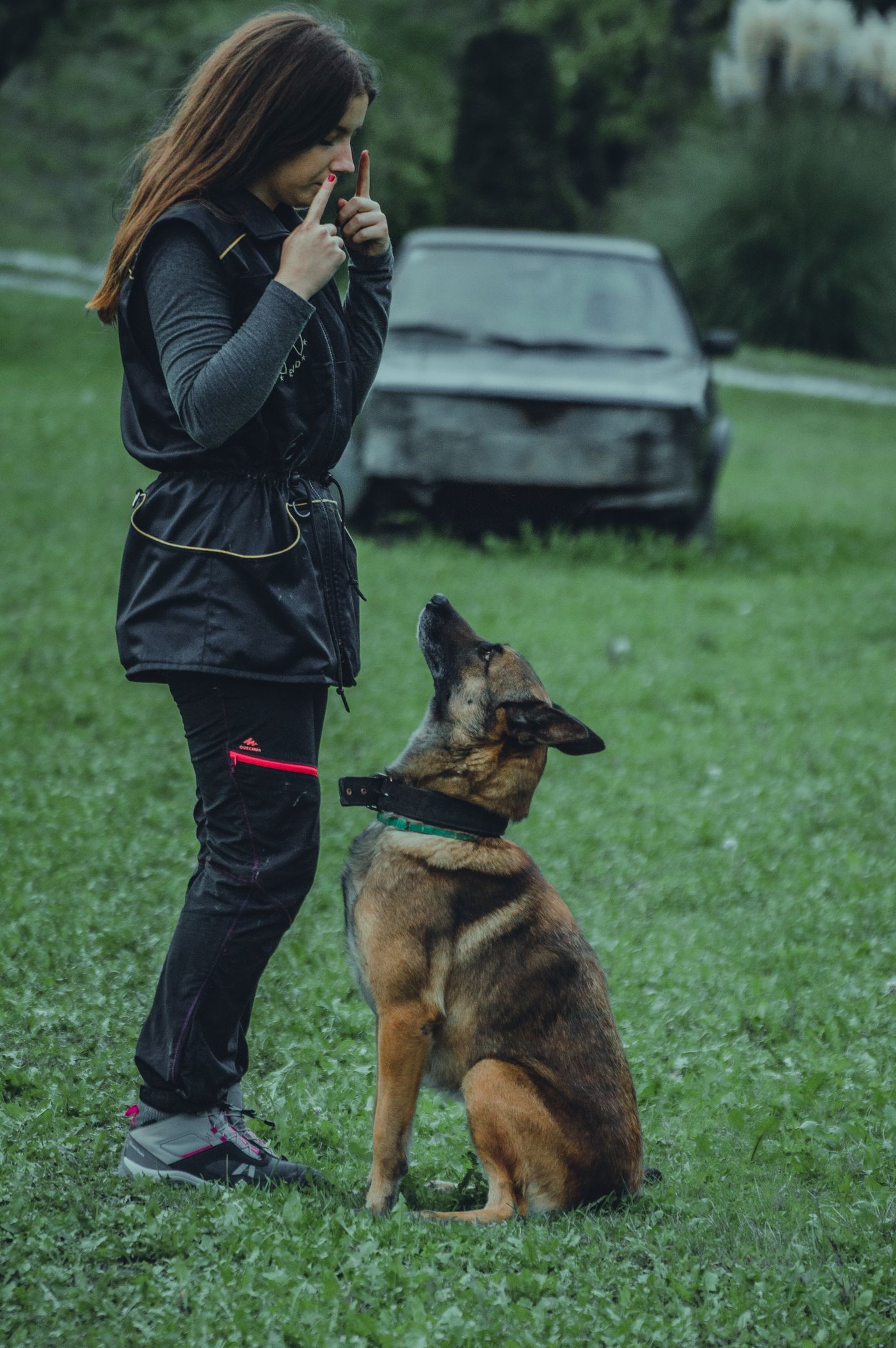
Practice a relaxed sit without pushing
Teach sitting as a comfortable option, without pressing on your dog's body or expecting the same posture in every setting.
Read the guide ↗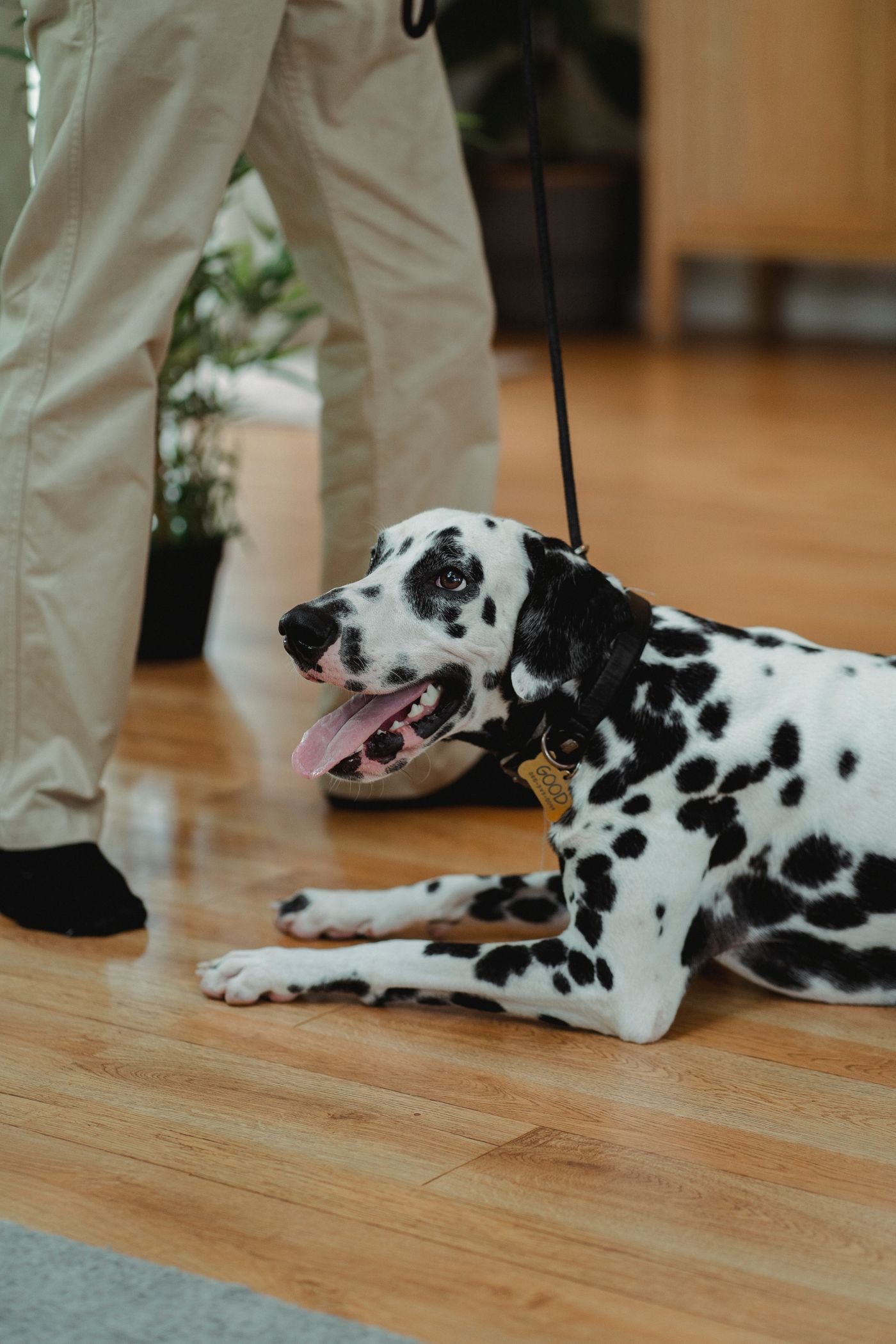
Teach a down on a comfortable surface
Comfortable footing and a gradual movement matter more than achieving a perfectly shaped down on the first attempt.
Read the guide ↗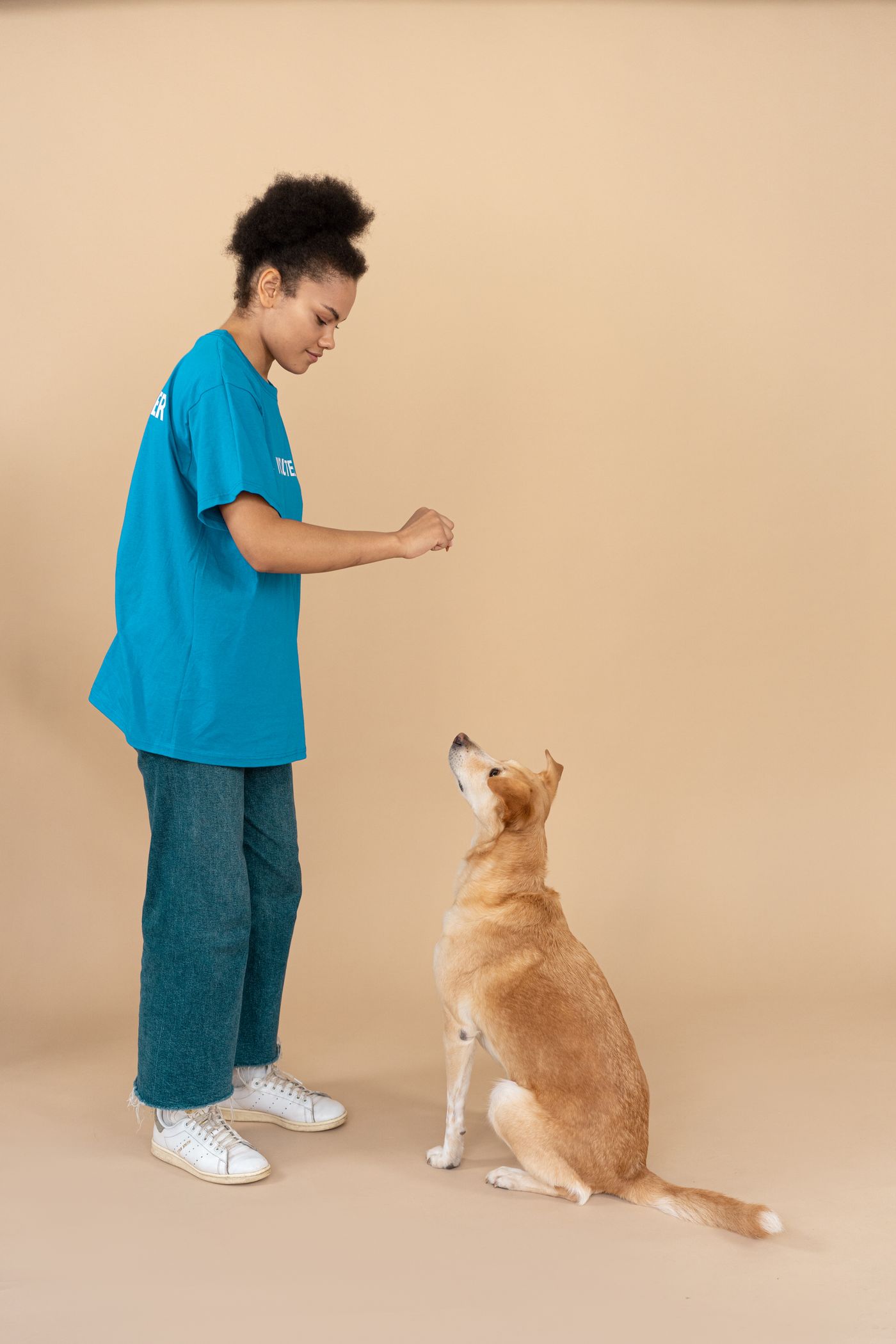
Introduce a release word
A release word helps explain when a brief wait is finished, so your dog does not have to interpret every body movement.
Read the guide ↗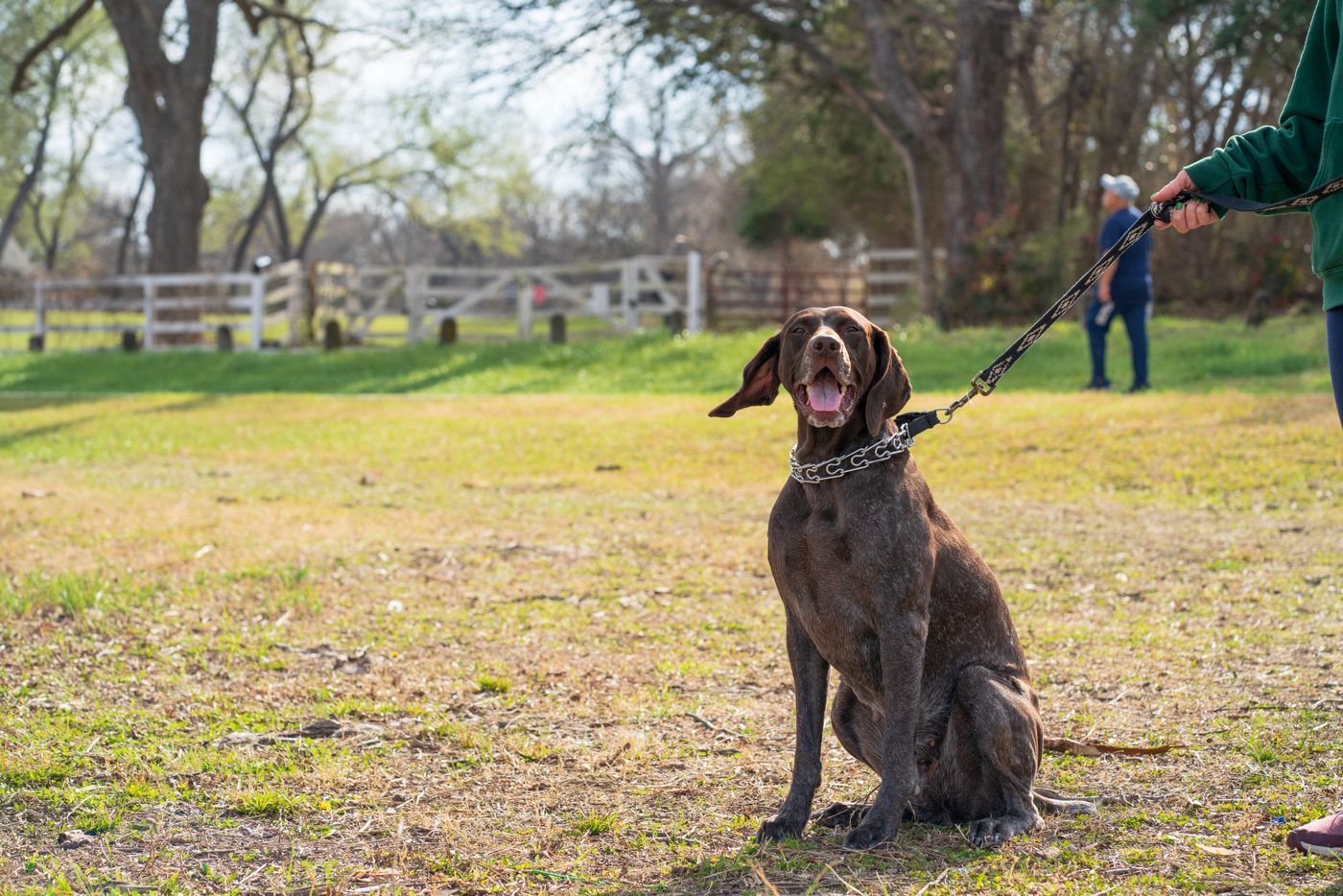
Build a one-step stay
The first useful stay is a tiny success you can reward, not a test of how far you can walk before your dog follows.
Read the guide ↗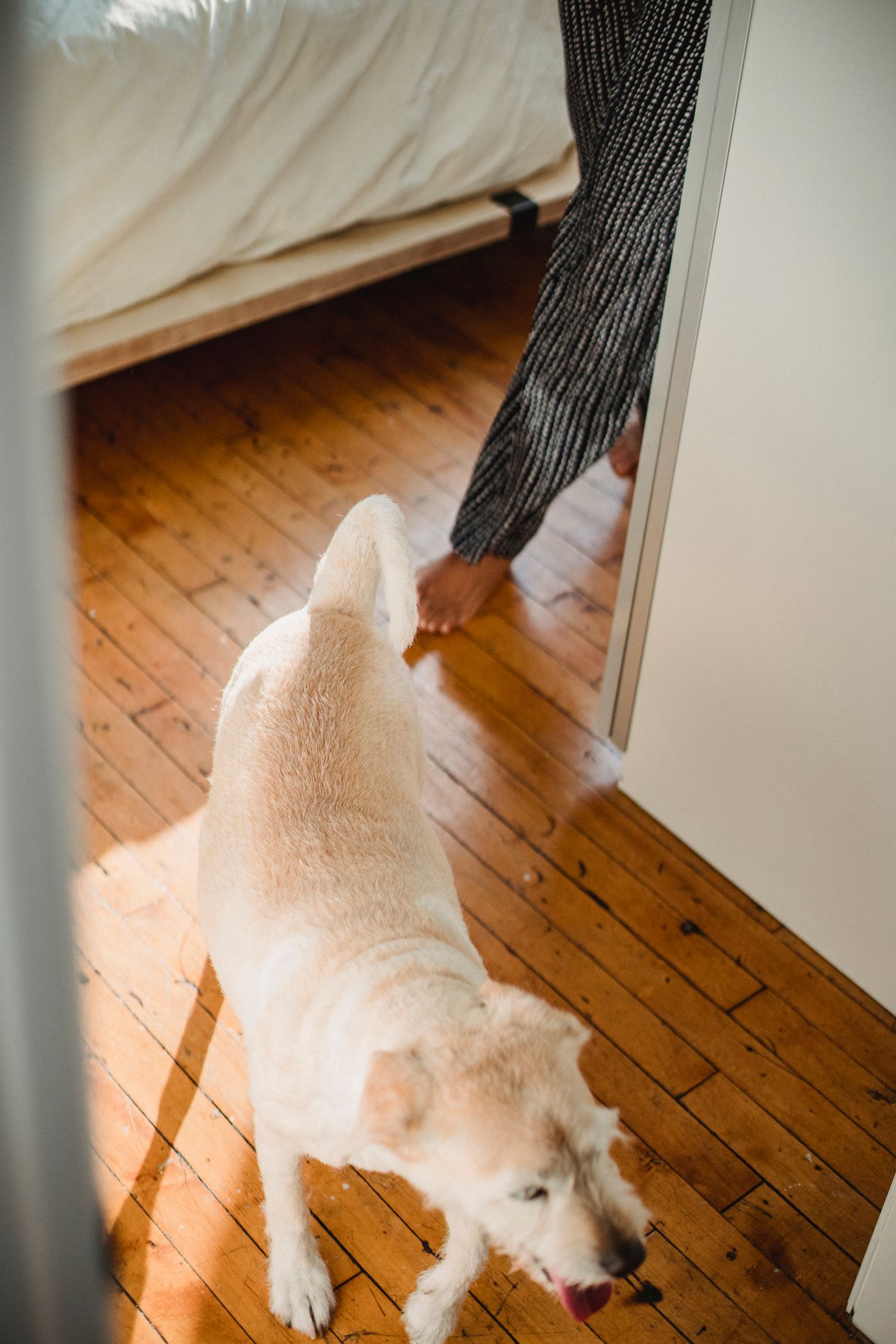
Start recall indoors
Begin coming when called as a small, enjoyable movement across a quiet room before expecting it to work outdoors.
Read the guide ↗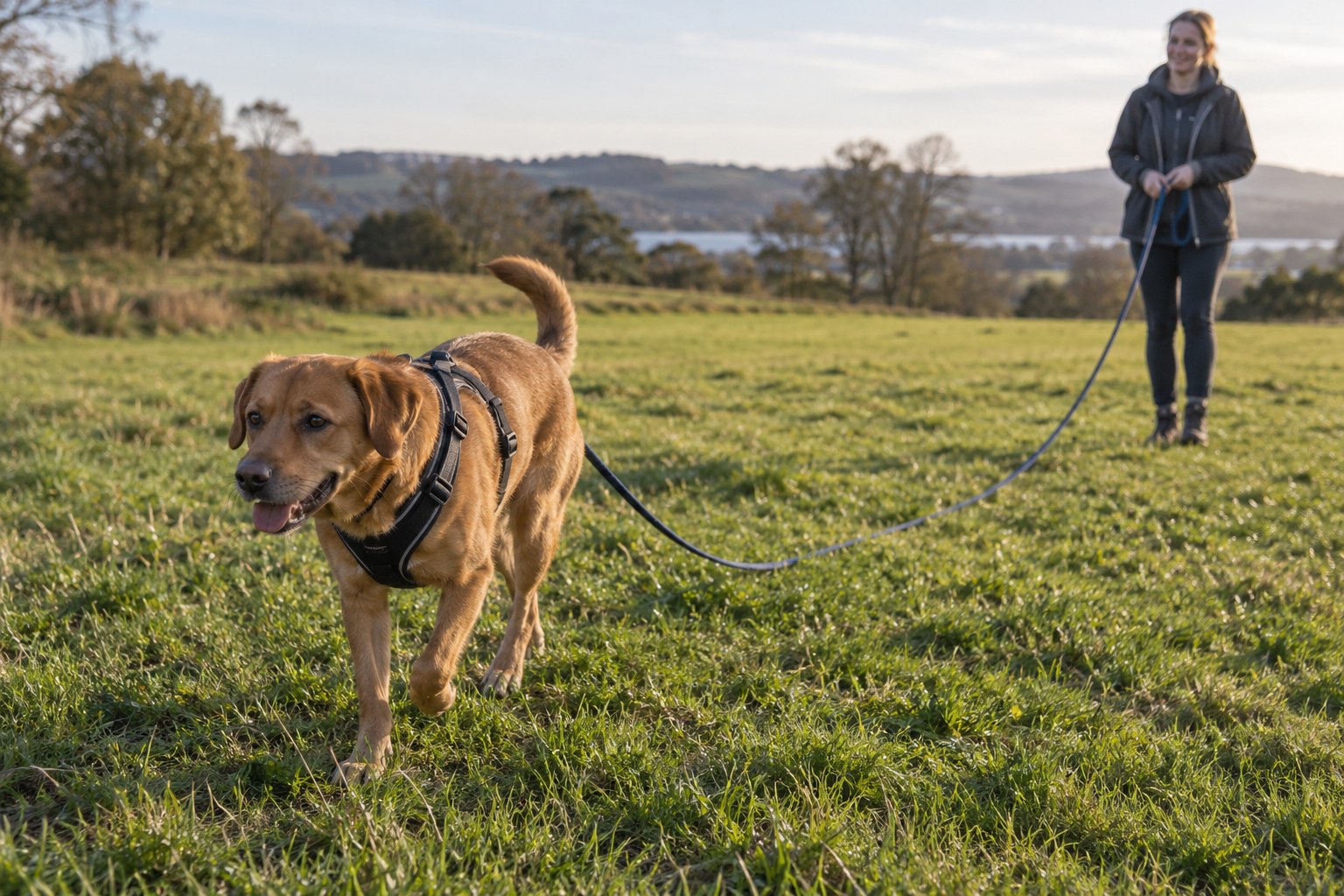
Practice recall on a long line
A long line can support recall practice in an appropriate open space, but it requires thoughtful handling and a suitable harness.
Read the guide ↗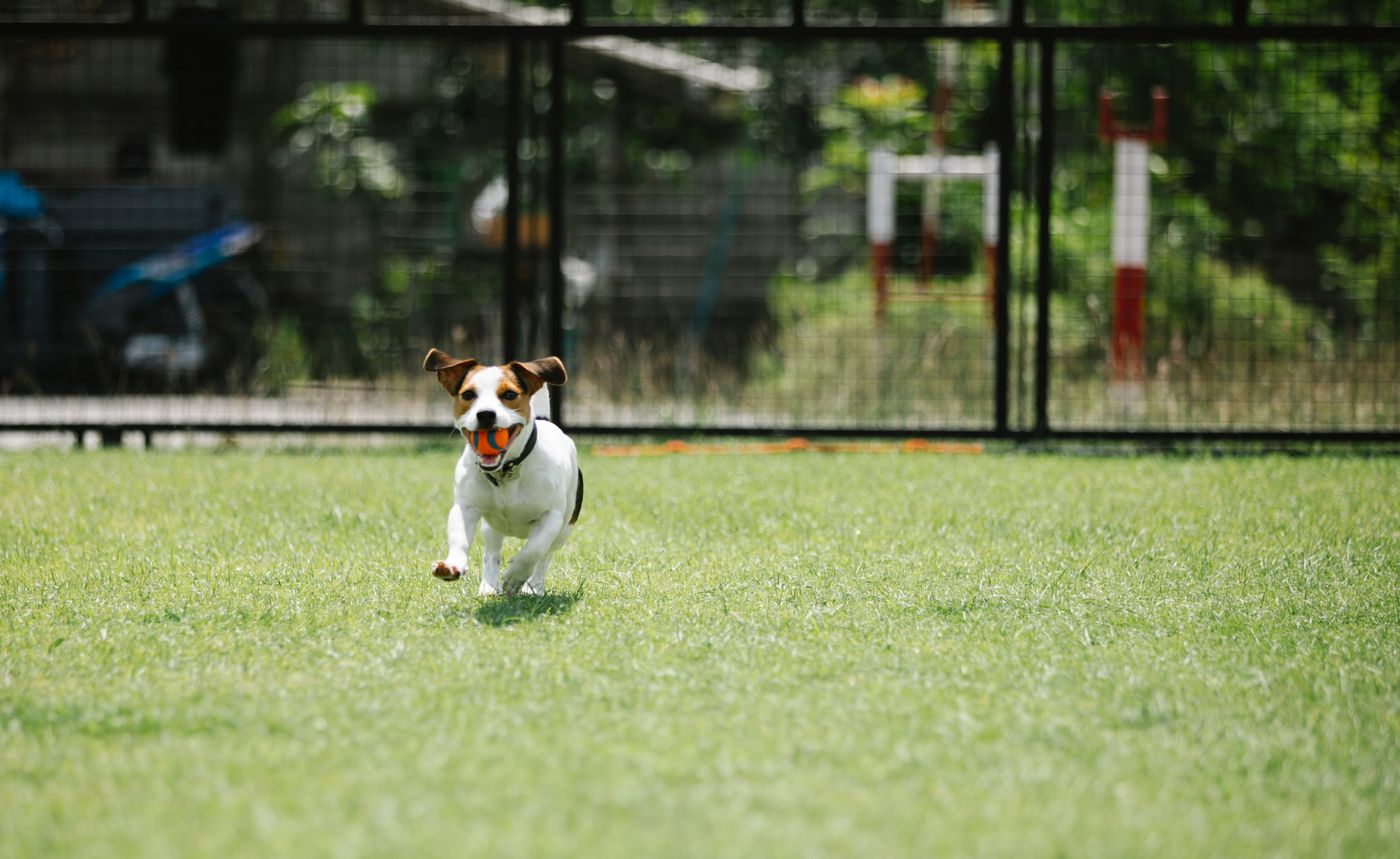
Avoid making recall mean the fun is over
Returning to you becomes easier to maintain when it sometimes leads back to something your dog was enjoying.
Read the guide ↗
Reward a loose lead in a quiet place
Teach a few comfortable steps together before expecting a loose lead through an entire busy walk.
Read the guide ↗