
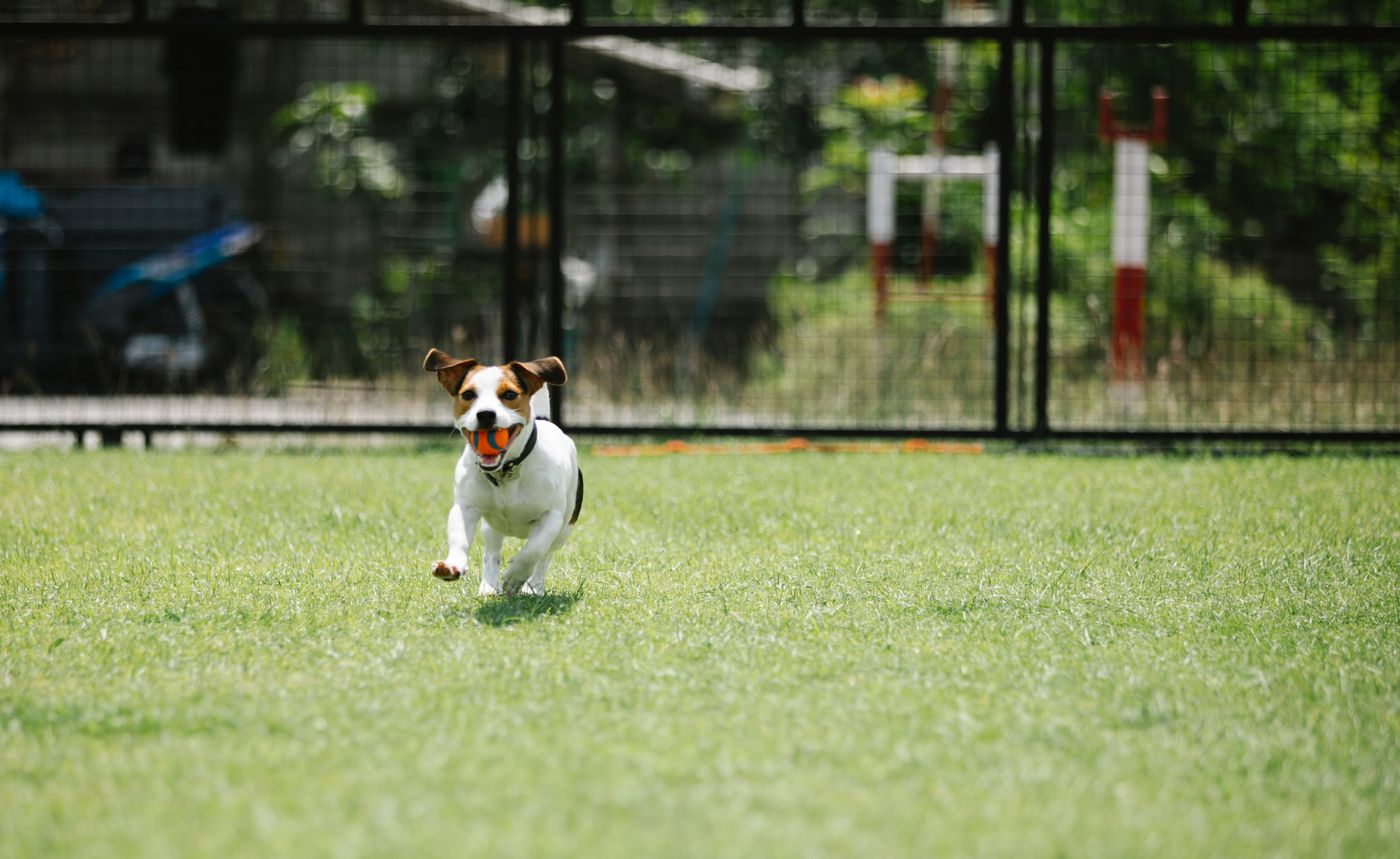
Notice what follows your recall
Think through recent walks. If every call is immediately followed by attaching the lead, leaving the park or ending play, your dog may learn that returning predicts a loss of enjoyable access. This does not mean you should avoid ending outings. It means the cue deserves other experiences too. Practice short returns in a secure or appropriately managed space when you have time to reward and let the dog resume a suitable activity.
Reward, then allow a safe return to exploring
Call during an easy moment, reward arrival close beside you and use a clear release before inviting more sniffing. The environment itself can become part of what makes returning worthwhile. Keep your decision practical: returning to a safe patch of grass is different from returning to wildlife or an unwilling dog. You control access while allowing meaningful choices within safe limits. Avoid turning the release into a frantic sprint after every repetition.
Make necessary endings less abrupt
Near the end of a walk, reduce the intensity of the activity and move toward a quieter area. Reward the recall and comfortable lead attachment, then take a short ordinary sniffing section before heading home when the route allows. This creates a gentler transition than recalling straight into the car every time. Do not promise another game through body language and then suddenly seize the collar. Predictable handling preserves trust even when an outing must finish.
Practice outside the busiest moments
A recall cue learned only in competition with exciting play has a difficult job. Include easy returns at home and during calm portions of walks. Avoid repeated calling while the dog is already unable to disengage; make the setup easier instead. Keep a record of which settings support a willing return. If chasing or social conflict makes recall unsafe, use secure boundaries and qualified support rather than relying on the appeal of a better reward alone.


