
Learning together
Reward-based teaching, manageable steps and a little more understanding on both ends of the lead.
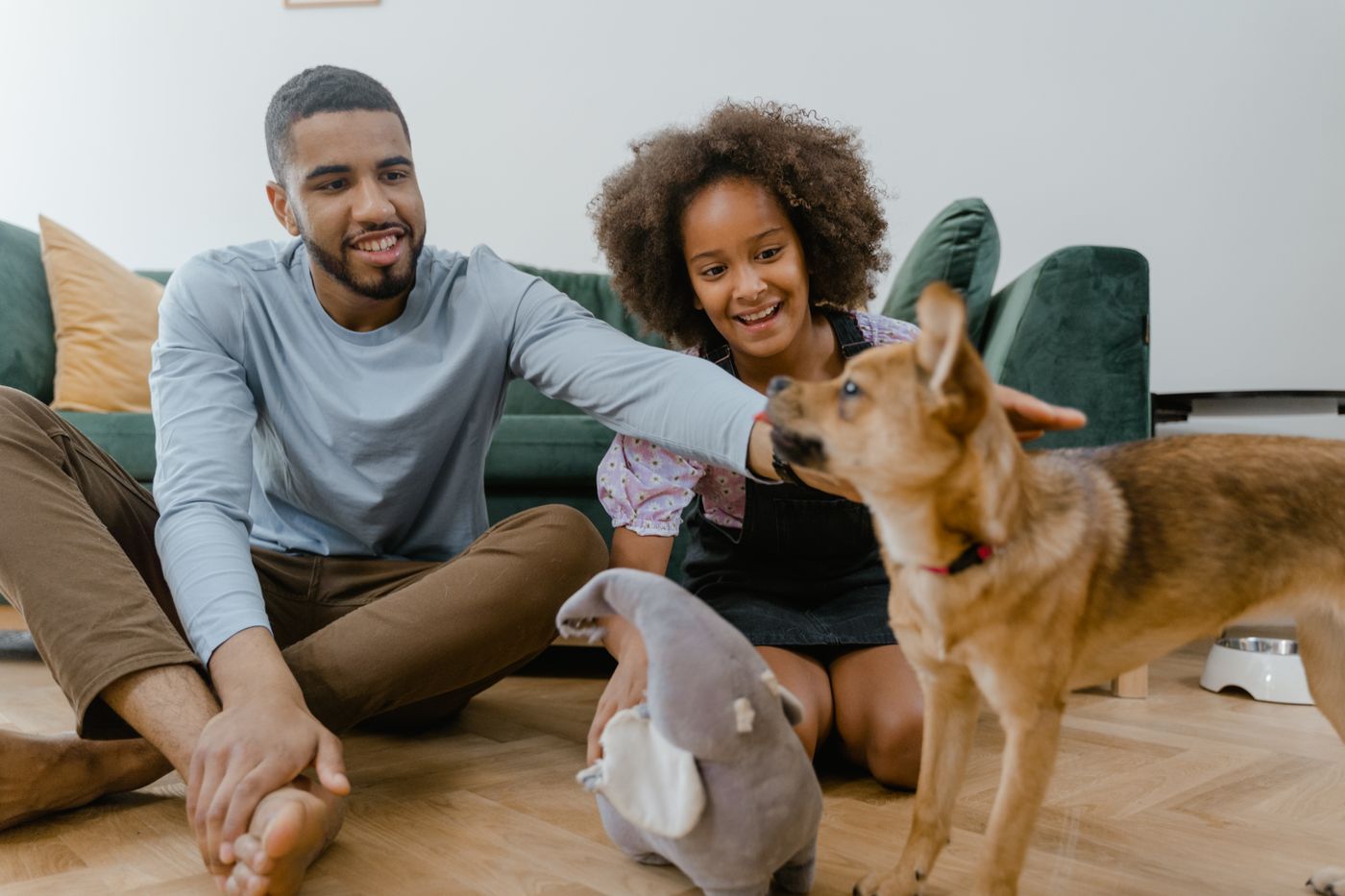
Keep cues consistent across family members
A small shared vocabulary makes everyday requests easier to understand, even when family members have different voices and movements.
Read the guide ↗
Record one small training success each day
A useful training note describes one observable success and the conditions that made it possible, rather than grading your dog for the day.
Read the guide ↗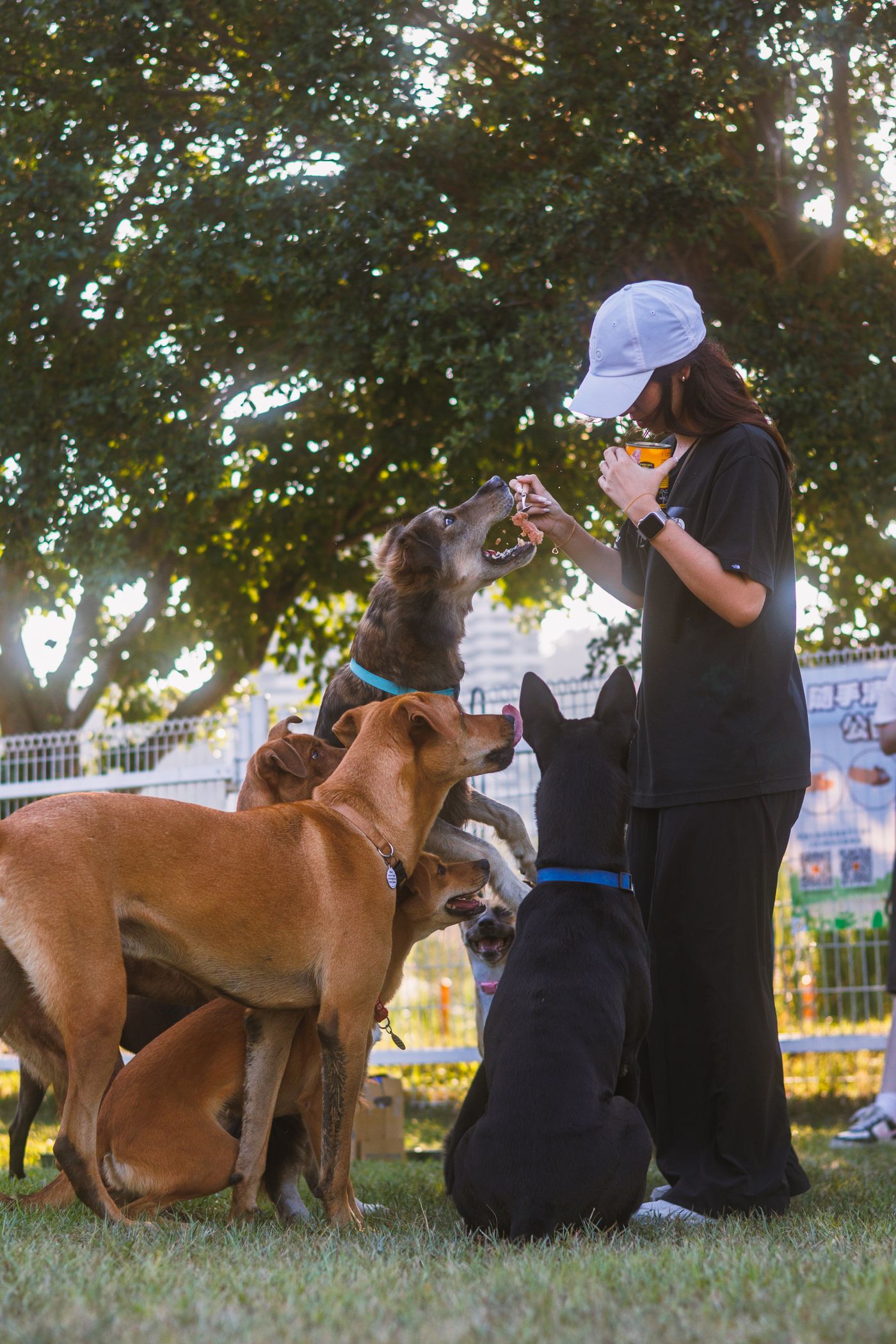
Choose a reward-based group class
The right class gives dogs enough space to learn and owners clear, humane instruction before anyone is asked to perform in a group.
Read the guide ↗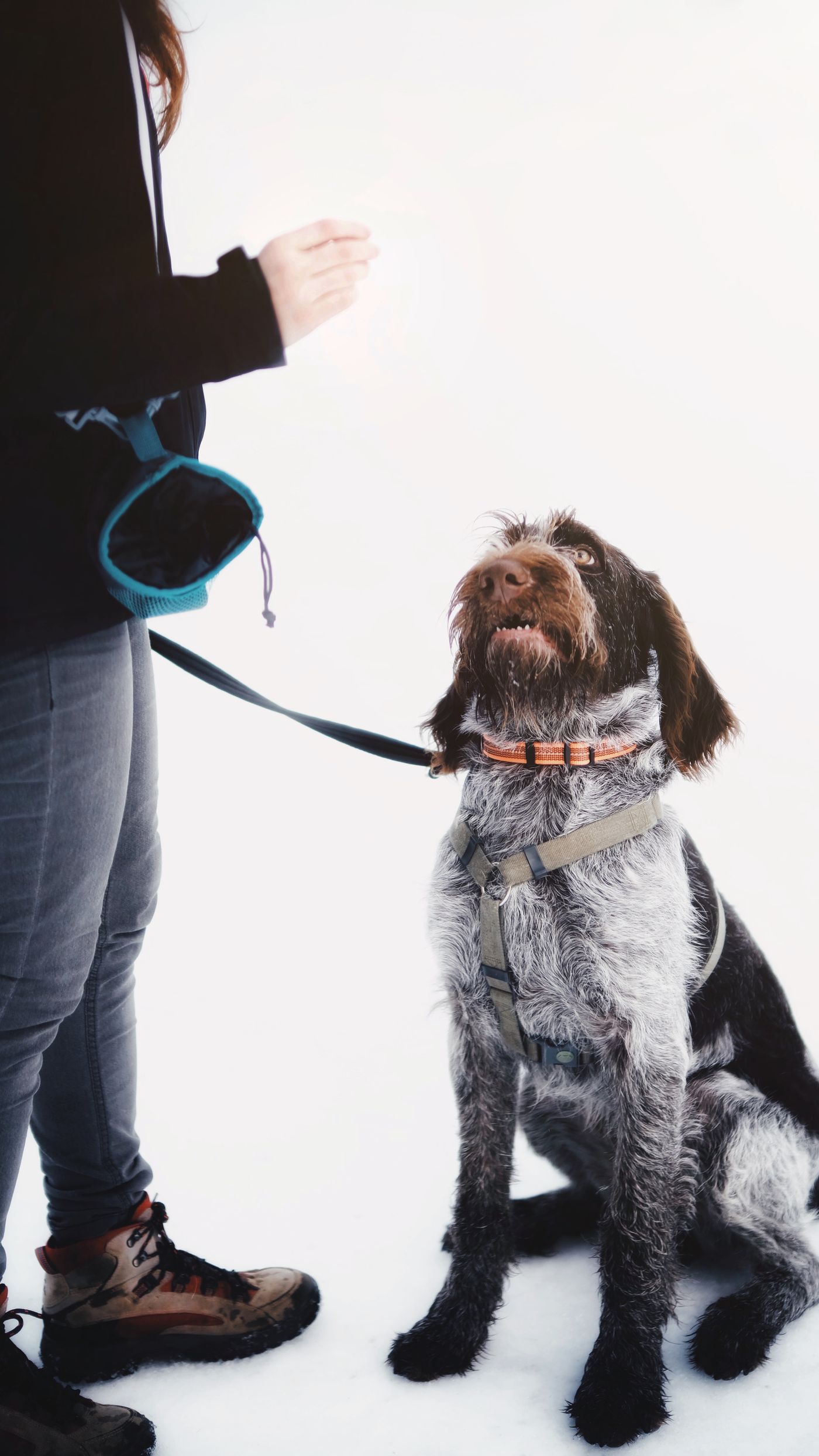
Know when to make an exercise easier
When responses become hesitant or inconsistent, change one part of the exercise instead of repeating the same request with more intensity.
Read the guide ↗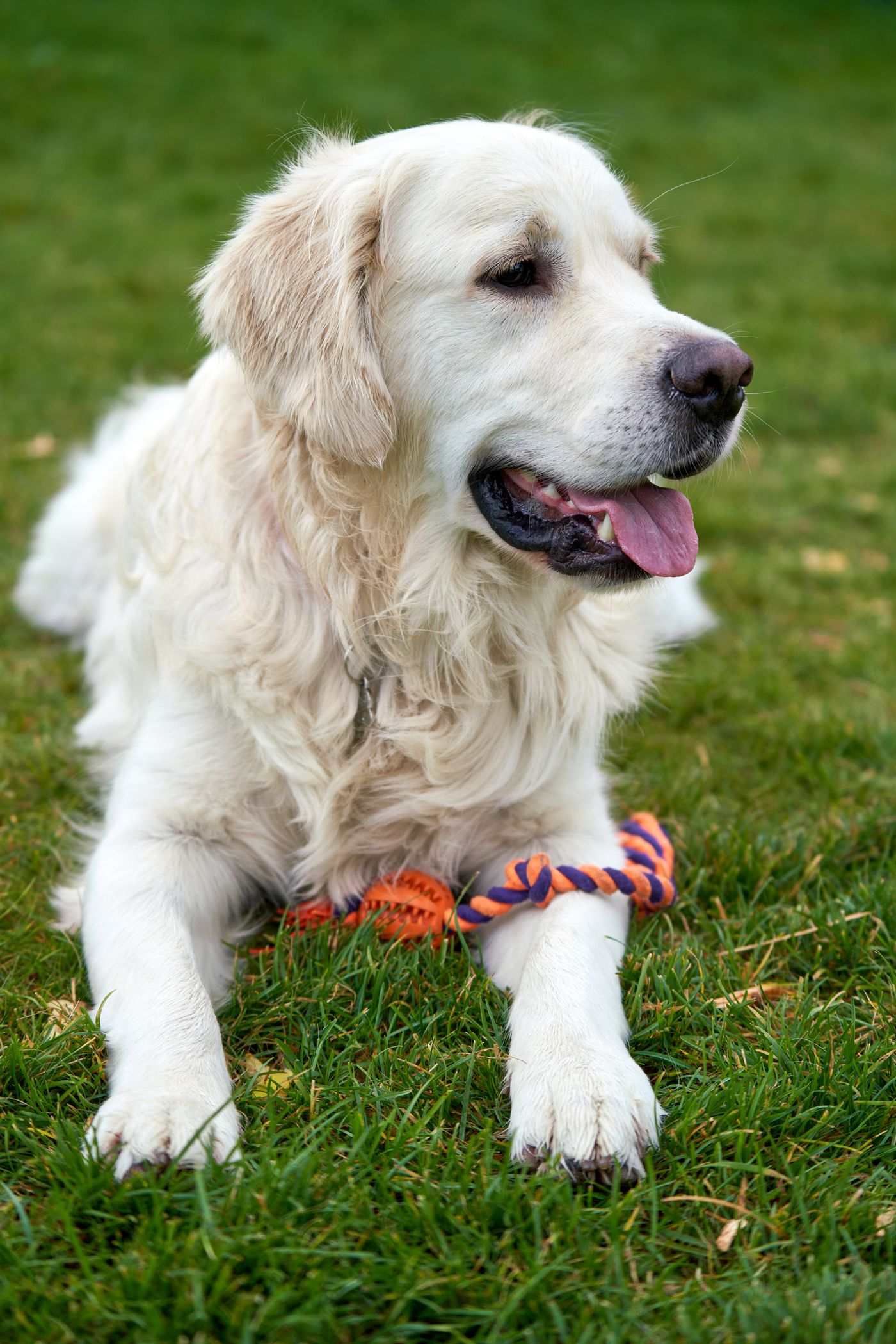
End training with an easy familiar activity
A clear, low-pressure finish helps both of you move from practice back into ordinary life without stretching the session past its useful point.
Read the guide ↗