
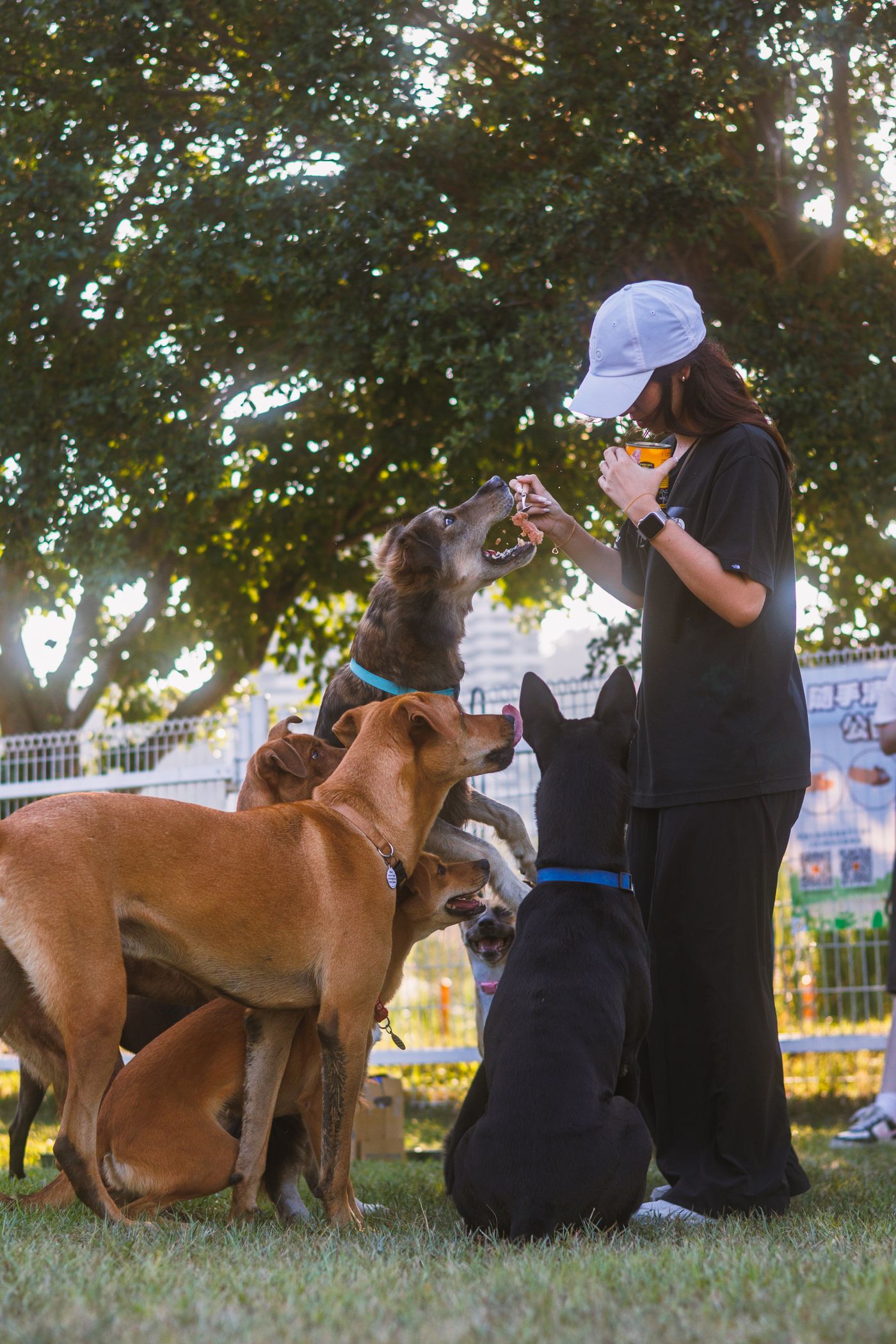
Ask about methods before booking
Request a plain explanation of how the instructor responds when a dog pulls, barks or does not understand. Look for reward-based teaching, adjustments to the setup and attention to welfare. Ask directly whether painful equipment, lead corrections or intimidation are used or permitted. A reassuring label alone is not enough if the practical methods contradict it. Find out about the instructor's relevant education and professional affiliations, then verify any claimed credentials with the organization named.
A reference to a welfare association does not automatically mean that association has endorsed this particular trainer or class.
Check the space and the arrangements
Ask how many dogs attend, how much separation is possible and whether visual barriers or a quieter position are available. A class may have a friendly instructor yet still be too crowded for your dog. Find out whether you can observe a session without bringing the dog and what happens if a participant needs to leave early. Clear explanations, manageable exercises and calm pauses are useful signs. Dogs should not have to greet every other participant before learning can begin.
Ask about health and attendance requirements directly rather than assuming every course follows the same rules or accepts the same ages.
Choose the format your dog can use
A dog who struggles significantly around other dogs may benefit more from individual support before a group setting. Discuss this honestly rather than hoping attendance will force an adjustment. During a trial visit, watch your dog's ability to settle, move comfortably and disengage from the room. Leaving early can be a sensible decision. A good plan also explains what to practice at home and how to reduce difficulty when needed. Avoid courses built around guaranteed rapid transformations or public tests that keep distressed dogs working for the sake of completion.


