Separate the bed into useful layers
Check the care label for the cover, filling and any waterproof layer. Different parts may need different washing and drying methods. Remove loose hair before laundering where practical and inspect seams or zips for damage. Repair or replace unsuitable parts before they return to the dog's space.
Keep a spare clean layer ready so the dog still has a comfortable place to lie while laundry is underway. You do not need to remove every familiar item at once unless contamination or professional advice requires it. A manageable rotation is often easier than dismantling the whole resting area on a busy morning.
Choose products and drying carefully
Use a suitable washing product and rinse as directed. Strong fragrance is unnecessary for making bedding clean and may change a familiar resting place considerably. Keep detergents and laundry products securely stored. If your dog has a known sensitivity or a veterinary care plan, follow the relevant advice rather than experimenting with scented additives.
Dry all layers thoroughly before reassembling the bed. Check the filling as well as the outer fabric, because the surface can feel dry while moisture remains inside. Avoid leaving a damp cover on a cold floor and assuming it will finish drying under the dog.
Return the bed to its usual role
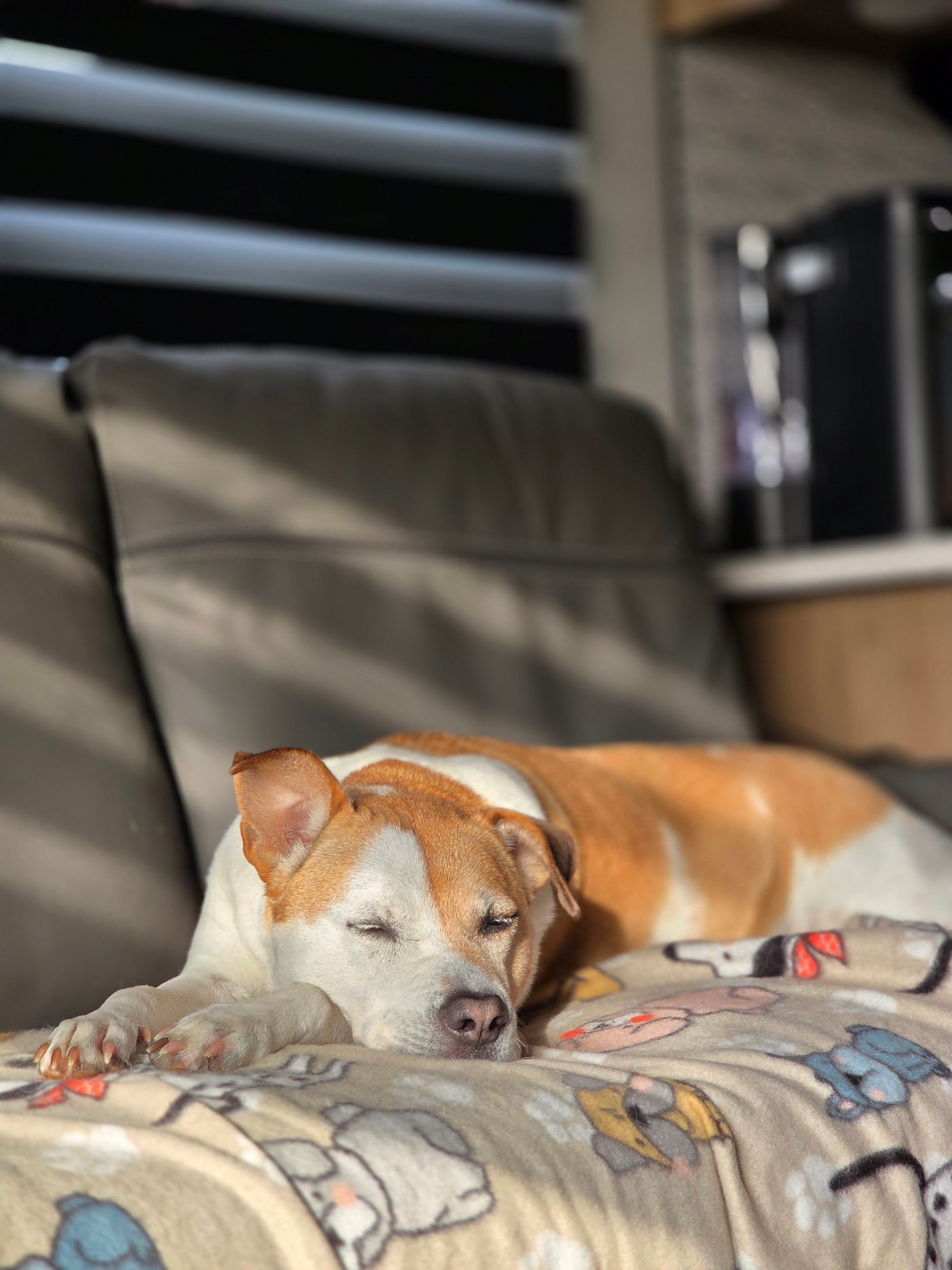
Put the bed back in the familiar quiet location with the same accessible route around it. Do not move it to a busy corridor merely because the usual corner is being cleaned. Let the dog approach without calling them repeatedly onto the freshly washed surface.
Notice whether the laundry routine is realistic. If a heavy cover takes two days to dry, a lighter washable top layer may make everyday care easier. Clean more promptly after spills or soiling, and adjust for actual use rather than following a decorative cleaning schedule. The aim is a dry, comfortable resting place that remains available throughout household maintenance.