Check the search area first
Use a small secure part of the garden free from litter, sharp objects and recently applied garden chemicals. Keep other pets away while preparing and running the game. Choose suitable food from your dog's ordinary allowance and avoid introducing essential oils or strong scented substances. The dog already has a useful scent to follow. Short grass or a clear path edge makes it easier to see what has been found and whether the ground remains suitable.
Lay a trail that is almost self-explanatory
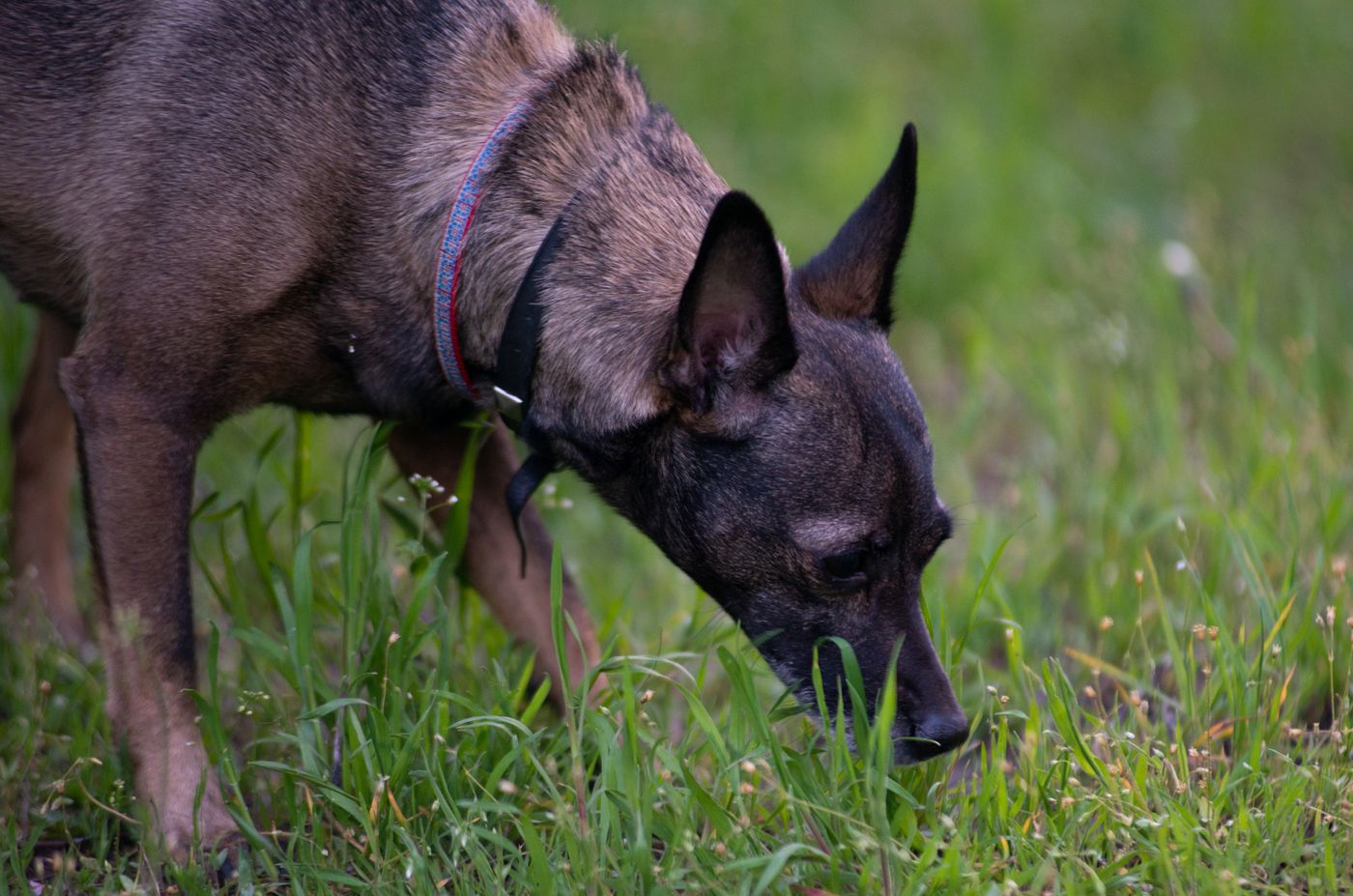
While your dog waits comfortably with another adult or inside, place a few pieces in a short loose line, with the first easy to see. Bring the dog to the starting area and allow investigation. You can indicate the first piece without pointing continuously along the route. Begin with very small gaps. A dog who finds one reward and immediately finds the next can learn the pattern without becoming dependent on repeated instructions.
Make one part less obvious
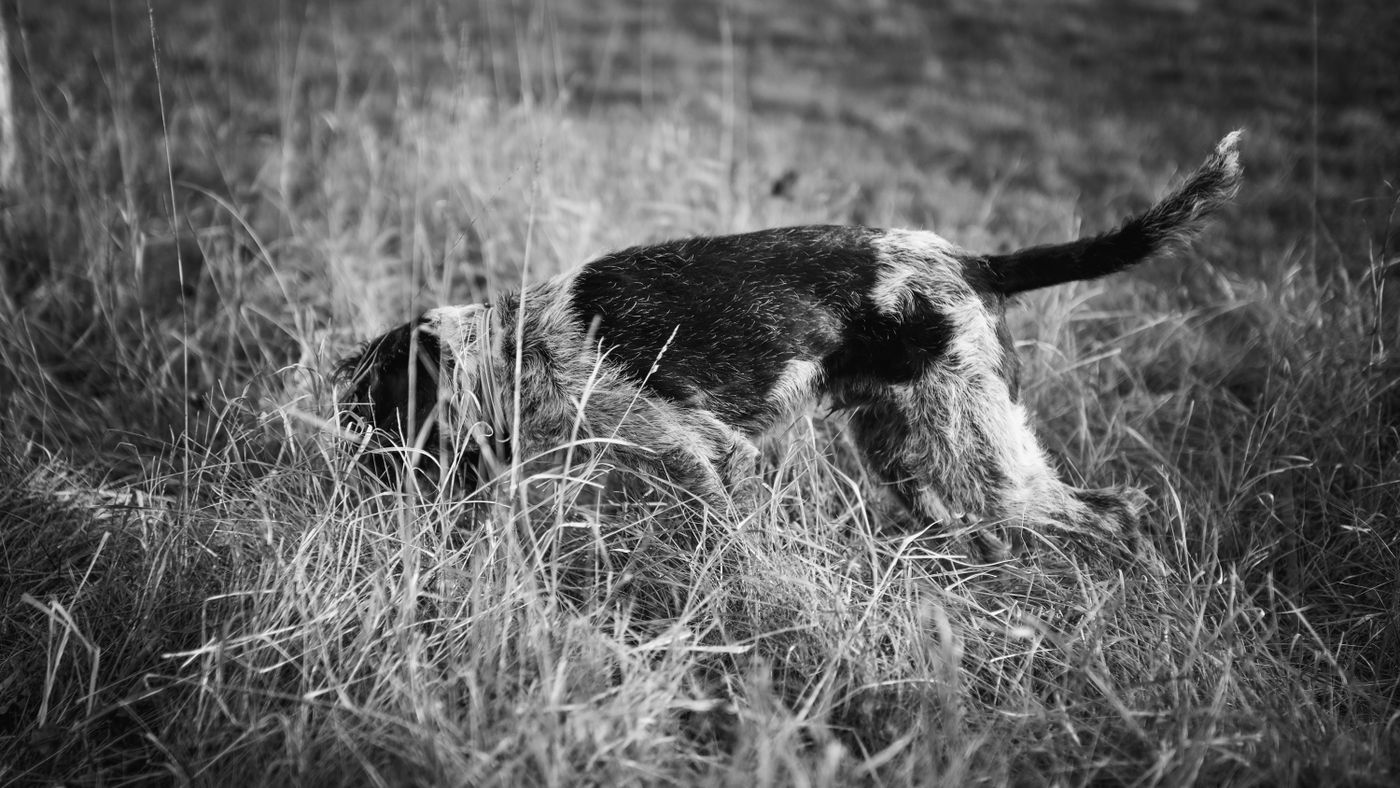
After successful easy trails, increase a gap slightly or add a gentle change of direction. Keep the final reward accessible rather than hidden inside a difficult container. If the dog loses the trail, return to an easier section or make the next find visible. Do not let the game become a long search for food you can no longer locate yourself. Wind, wet ground and other garden smells can change the difficulty even when the layout appears identical.
Finish with a clear sweep of the area
Use an ending phrase once the planned finds are complete and collect any leftover food. Avoid leaving rewards where wildlife, insects or another household pet may find them later. Keep sessions brief enough that your dog remains comfortable and willing. If the dog starts digging up plants or eating debris, change to a clearer surface or another activity. The garden trail should provide a safe searching opportunity, not permission to investigate every planted bed.