Set up a short clear route
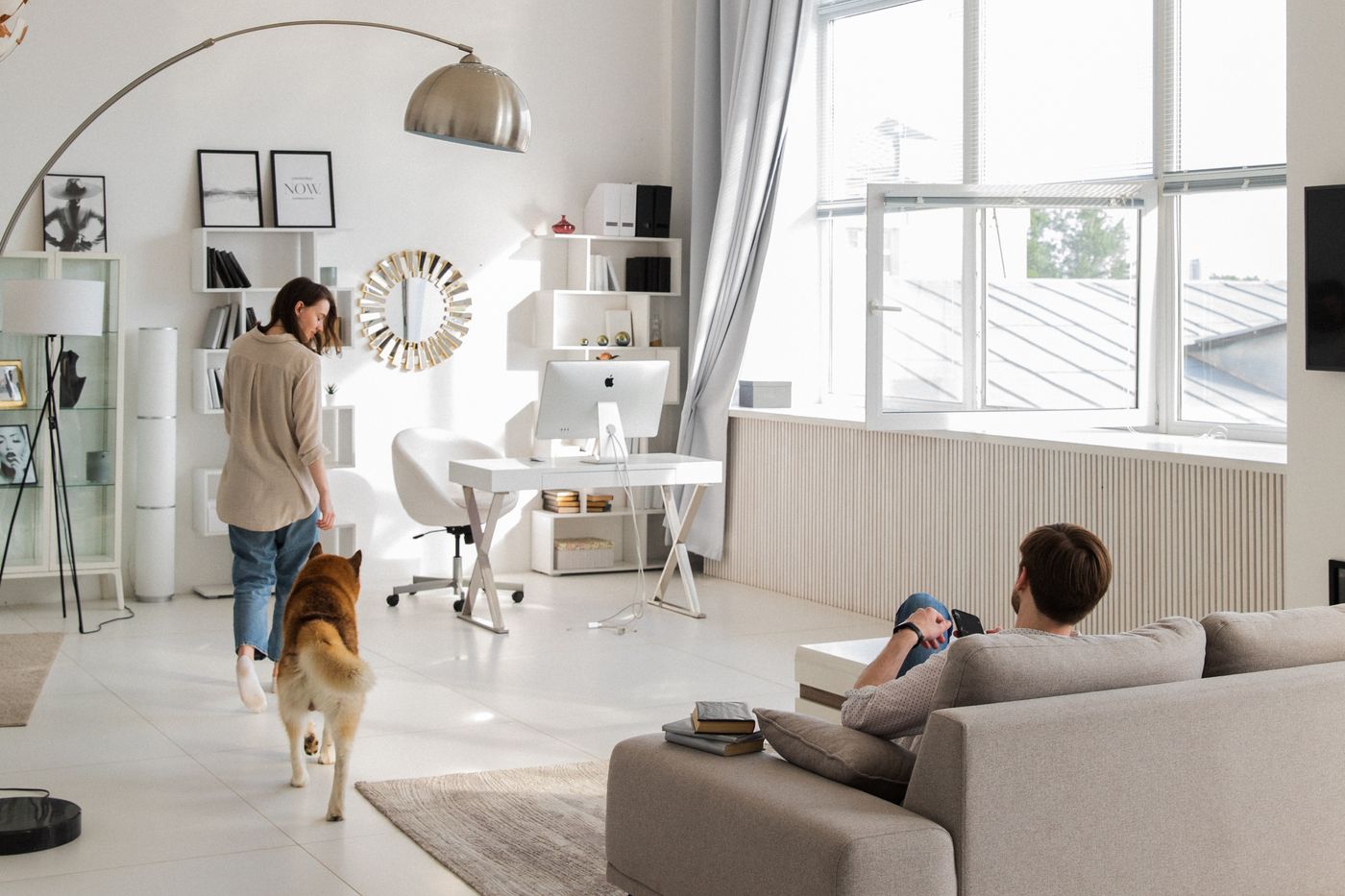
Begin with two familiar adults a few steps apart in a quiet room or secure garden. Remove slippery obstacles and keep other pets elsewhere. Each person needs suitable small rewards ready before the game begins. Start close enough that reaching either person is easy. The dog should be awake and interested, with room to step away. Avoid placing people at opposite ends of a large space before the dog understands the pattern.
Take turns rather than competing
One person invites the dog with the familiar recall cue, rewards arrival and pauses. Then the other person calls. Keep the reward close to the receiving person so the dog completes the approach. The first person should become quiet rather than continuing to call or hold out food. Do not grip the collar to build excitement before release. If the dog stays with one person, the other can move closer and make the next invitation easier.
Add distance slowly and keep timing clear
After several easy turns, increase the gap modestly. Change distance separately from adding a new location or background activity. If the dog begins racing without listening, shorten the game and add a calm pause. If they wander off, allow the break instead of both people repeating the cue. Returning is one useful choice within a friendly exercise, not a competition to see who can attract the dog most dramatically with voice or movement.
Protect the meaning of the recall
Reward every planned arrival during the learning game, including an untidy approach. Avoid suddenly using a turn to begin an unwanted procedure or end all contact. Finish with a clear phrase and move into a normal shared activity. Children should not be placed in the path of a fast-moving dog or made responsible for managing the game. Adults can keep the speed and distance modest while the dog develops an enjoyable history of coming when invited.