Decide whether an activity is needed at all
Check practical needs first: water, a toilet opportunity and a comfortable place to rest. A dog already sleeping peacefully does not need to be woken for enrichment. If they are awake and interested in a little exploration, choose a quiet familiar area near home. Avoid traveling to a novel busy location in search of a supposedly better sniffing experience. The aim is a manageable option with very little pressure attached to it.
Keep the setup obvious
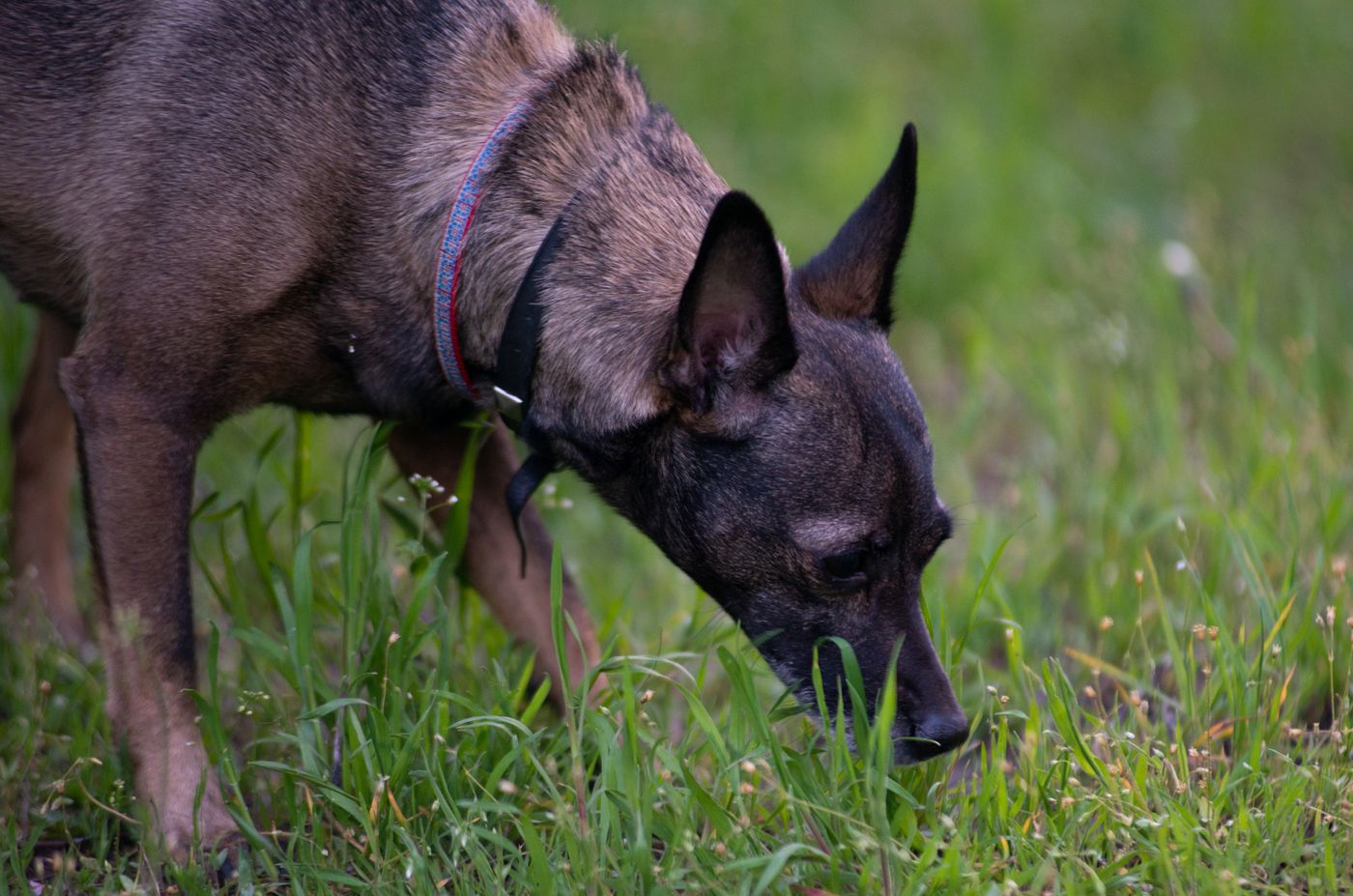
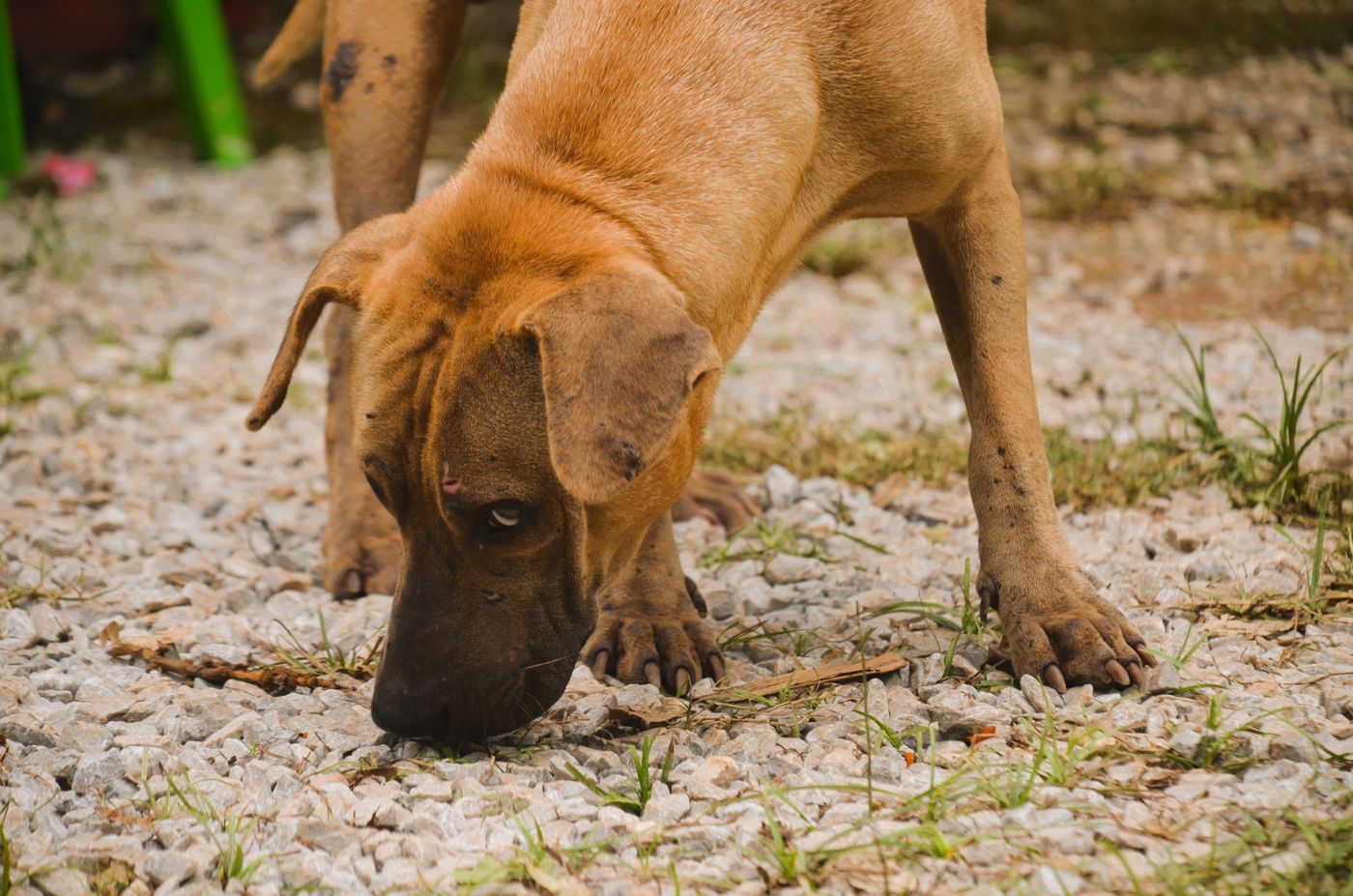
Allow a slow investigation of safe ground, or place a few suitable food pieces visibly on a clear mat or clean patch of short grass. Keep other pets away if food could create competition. There is no need to hide rewards deeply, add puzzles or make the search last a set amount of time. Count food within the normal allowance and supervise the ground. An easy find lets the activity be complete without repeated human prompting.
Follow engagement rather than a schedule
Let your dog pause, look around or leave the search. If they remain intensely alert to nearby activity, move somewhere quieter or finish instead of continually redirecting them toward the food. Sniffing is not a guaranteed switch that makes every dog relax. Different dogs respond differently after a busy day, and the context matters. Keep the lead manageable outdoors and avoid lingering beside traffic or other dogs simply because the route was intended to be slow.
Make the return home uneventful
Collect any remaining food and use a clear ending before leaving the area. At home, reduce avoidable interruptions and leave a suitable rest space available. Note whether the small activity appeared comfortable and easy to stop. If busy days regularly lead to prolonged distress or difficulty settling, review the overall schedule and seek appropriate advice. Adding more enrichment is not always the answer; fewer demands and more predictable recovery time may be the more useful change.