Watch the whole pattern, not one gesture
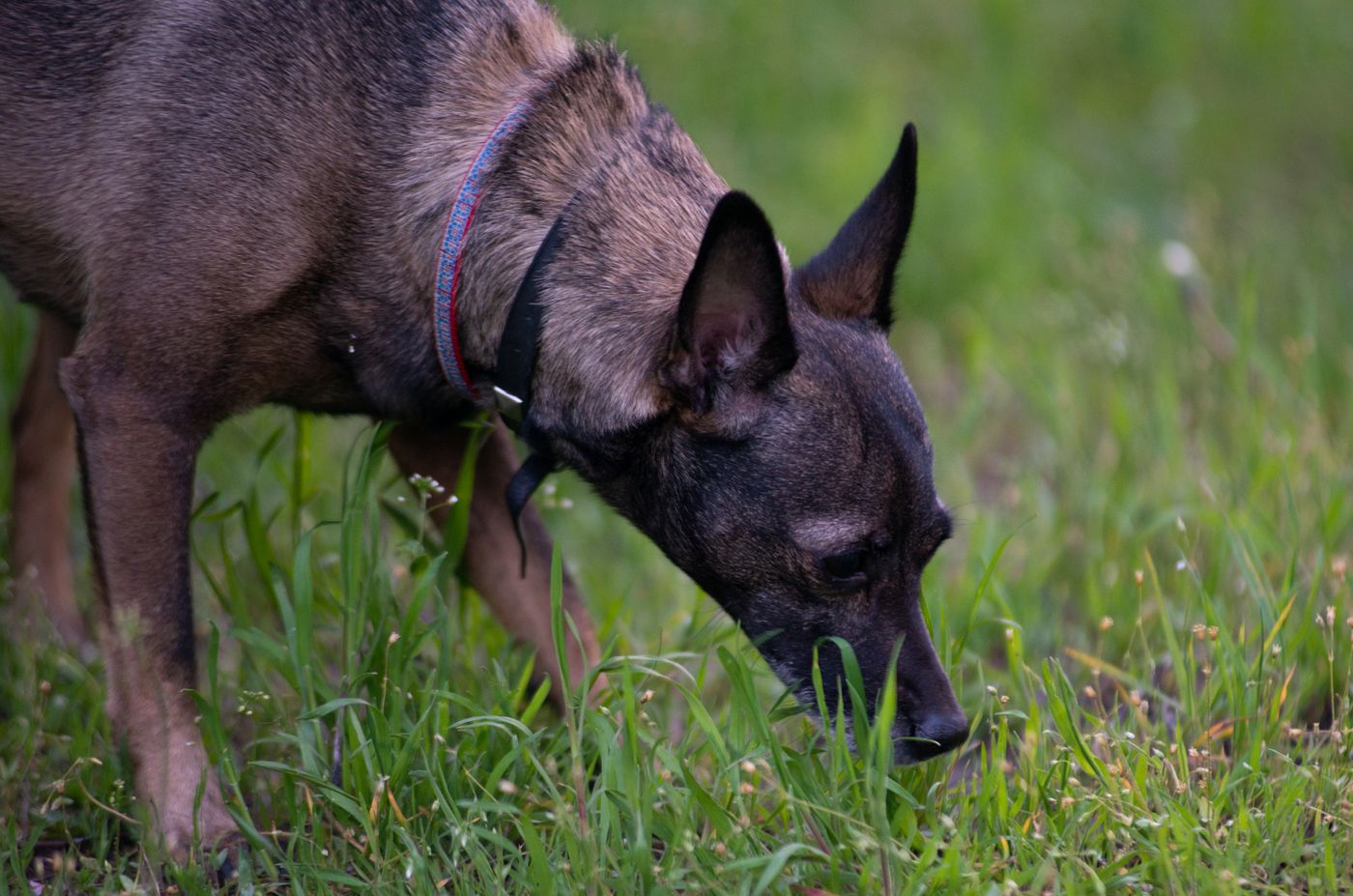
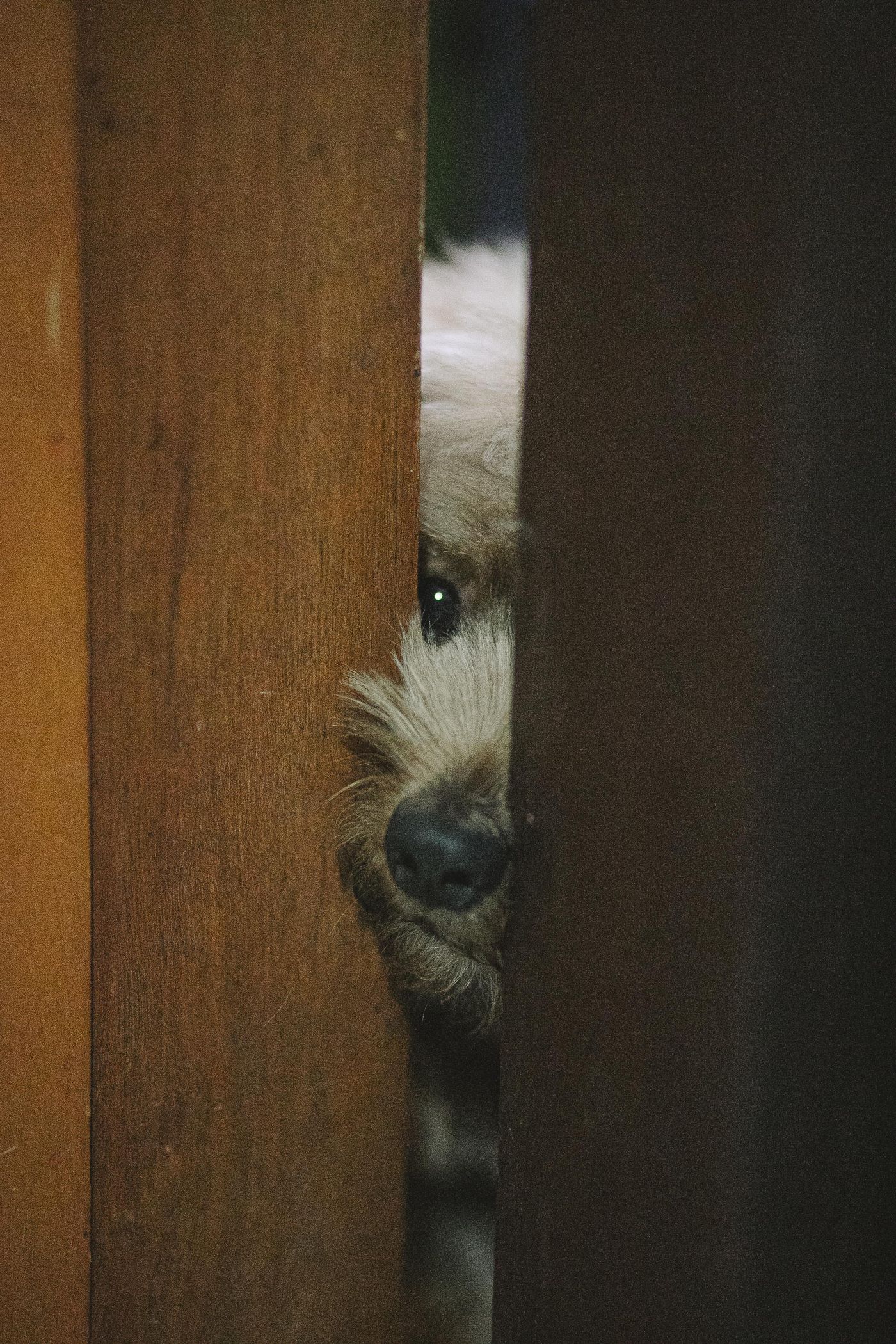
A dog may slow down, turn away, move toward water or stop bringing the toy back. Consider those changes alongside posture, movement and the surroundings. A single yawn or tail position does not explain the whole situation. Compare what is happening now with the dog's earlier participation. If a normally loose game becomes tense or repetitive, pause even if the dog has not made an obvious attempt to leave. You do not need certainty about an emotion to offer space.
Make the pause real
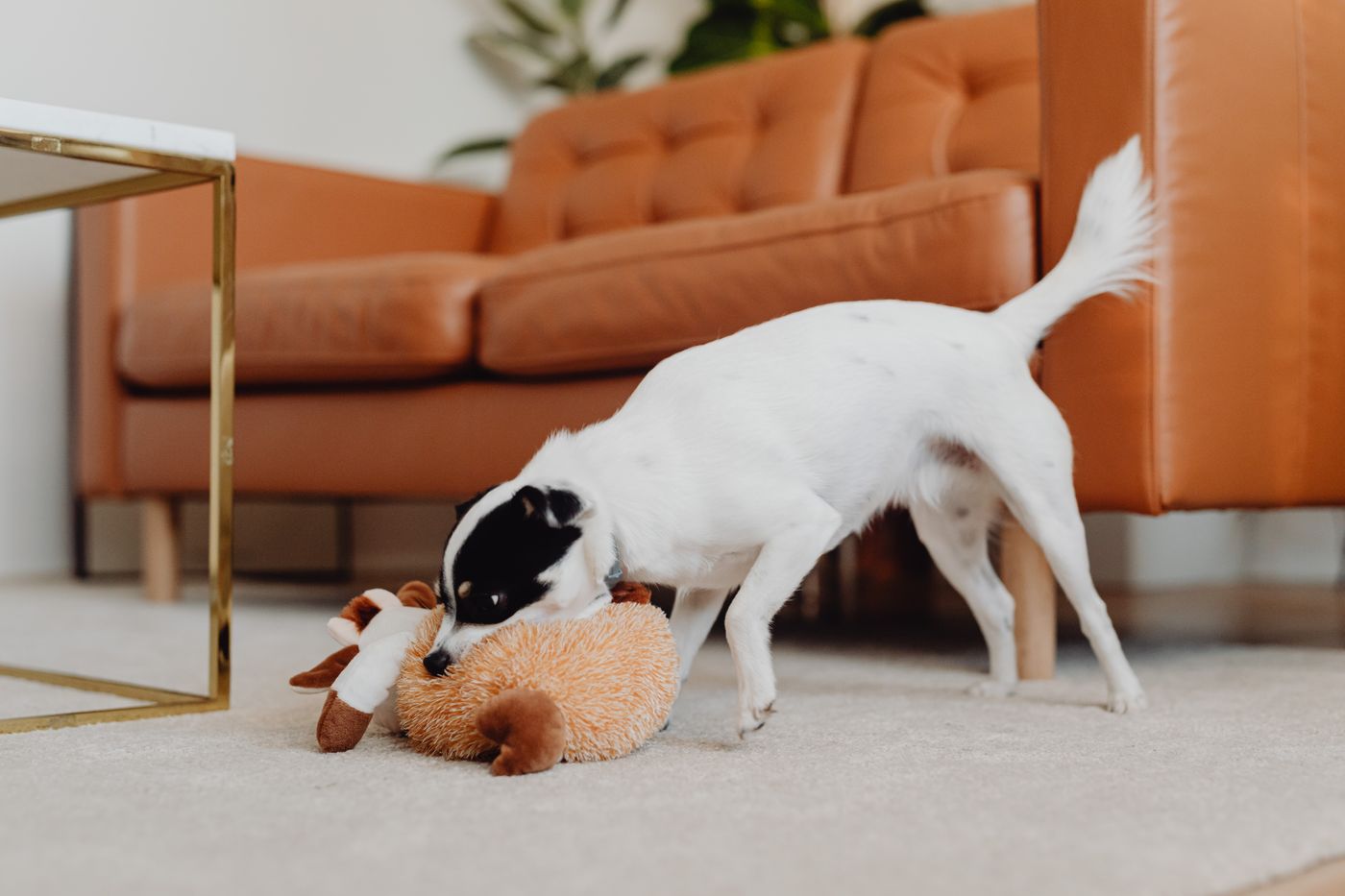
Stop moving the toy and give the dog room to choose another activity. Avoid immediately calling them back, nudging them with the toy or following when they walk away. In shared dog play, prevent the more enthusiastic participant from restarting before the other has had a chance to rest. Use familiar invitations and separate spaces as needed. A pause is useful only when your actions allow the dog to remain out of the game.
Check the practical reasons for stopping
The surface may have become slippery, the weather warmer or the game more physically demanding than it looked. The dog may need water, a toilet opportunity or simply a different pace. Review the equipment for damage and consider whether another animal or person has changed the atmosphere. Do not assume that declining play is a training problem. A sudden or persistent change in activity, especially with signs of discomfort, should be discussed with a veterinarian.
Let renewed interest remain optional
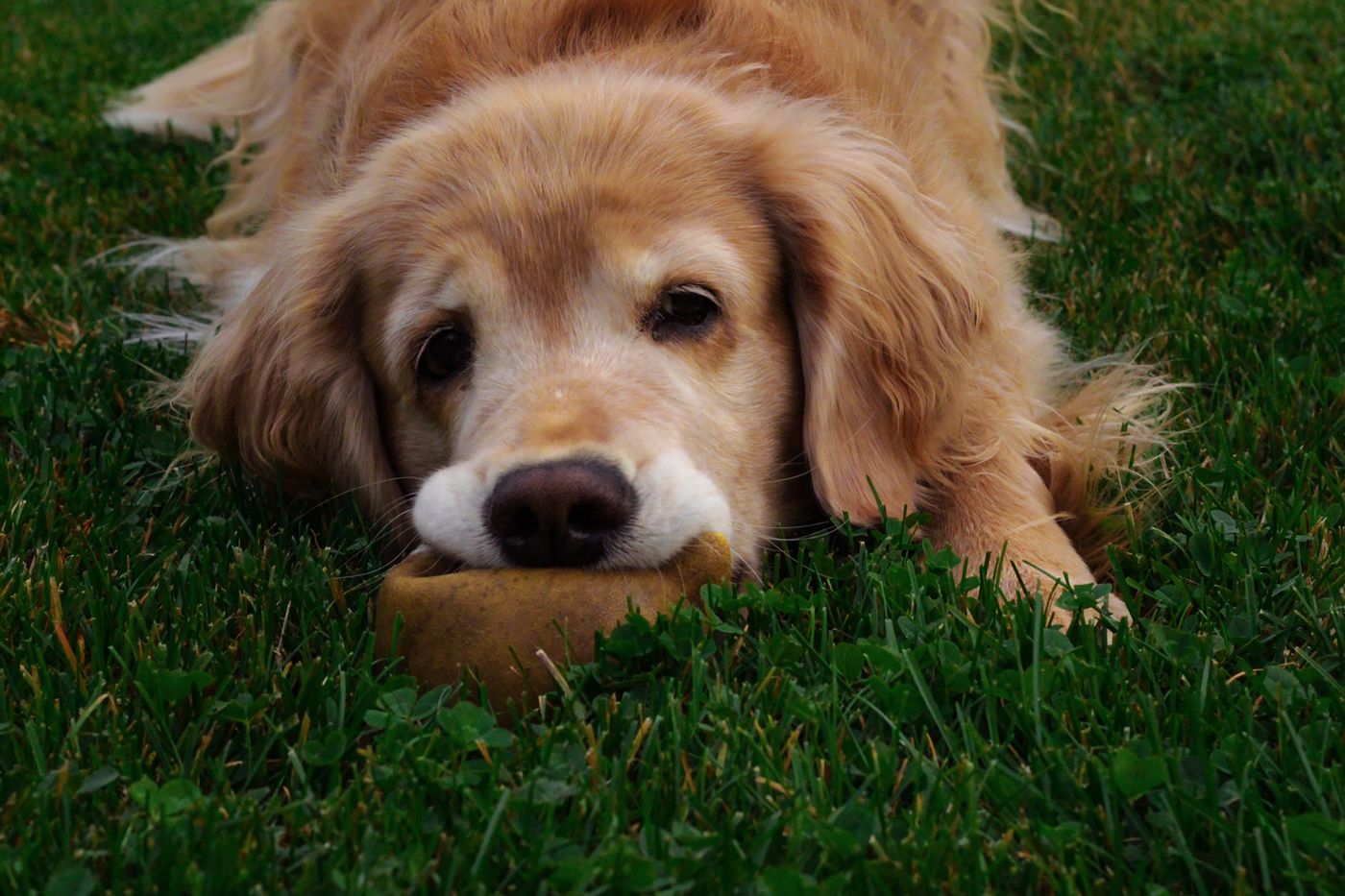
After a break, your dog may voluntarily bring the toy or approach with loose, comfortable movement. You can offer another short round if conditions remain suitable, but there is no need to restart merely because some interest returns. End with a clear phrase and put supervised items away when finished. Over time, notice which session length, activity and setting make stopping easiest. Respecting ordinary breaks helps keep future invitations low-pressure and worth accepting.