Look beyond the temperature number
Check wind, rain, ice and visibility as well as the forecast temperature. A familiar route may become difficult when pavements are slippery or daylight is limited. Choose an easy return option and dress yourself so you can handle the lead securely without rushing because you are cold.
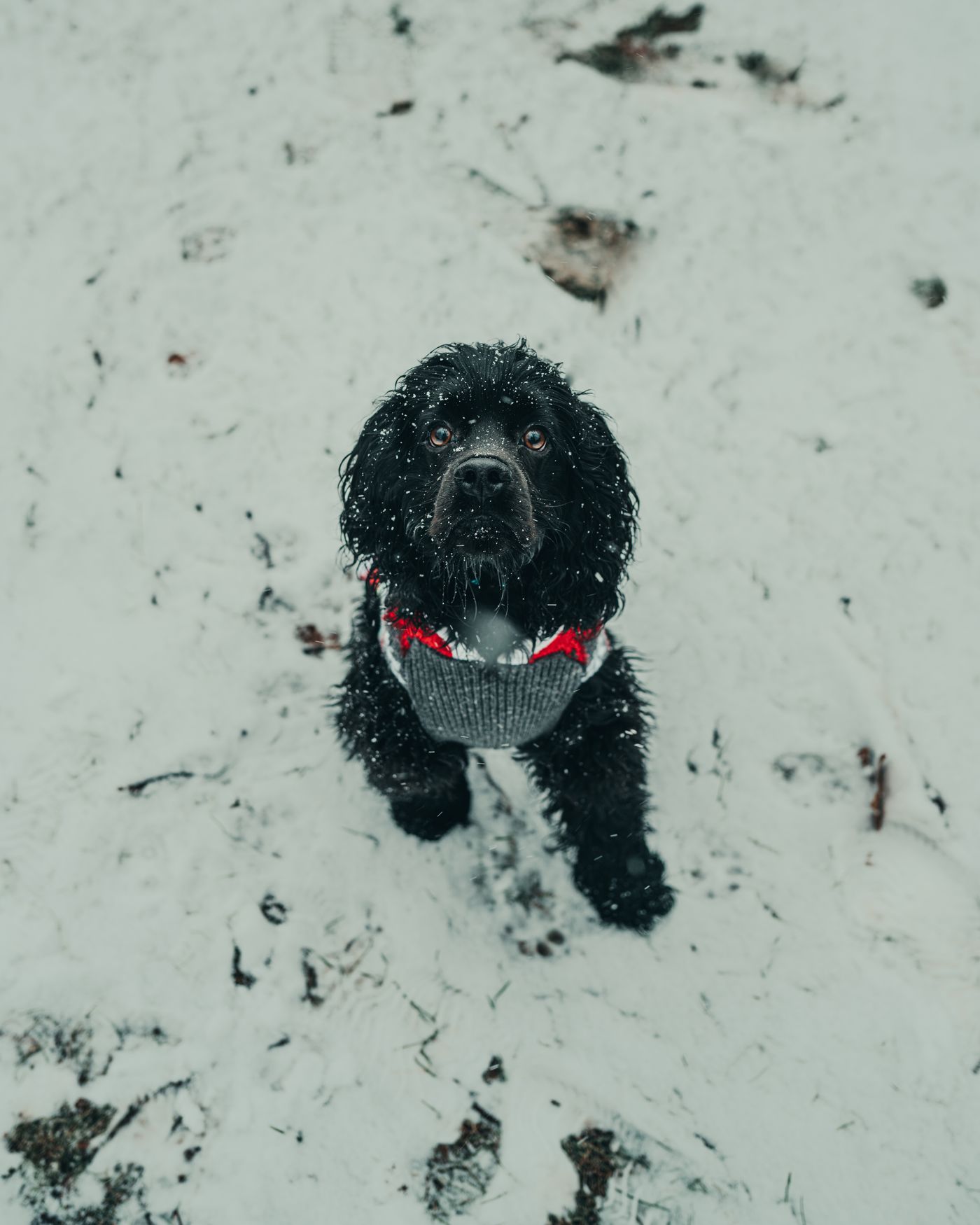
Consider the dog's coat, size, age, health and usual response to weather. Some dogs benefit from a suitable coat, while others may not need the same additional layer. Ask your veterinarian for individual guidance where appropriate. Do not assume that a particular breed label supplies a universal safe duration outdoors.
Prepare equipment before departure
Check that any coat fits comfortably and does not restrict movement or interfere with the harness. Introduce unfamiliar clothing gently in advance rather than fastening it for the first time at an open door. Keep equipment dry and inspect closures, particularly after muddy or salty outings.
Choose visibility aids appropriate to the route and keep them clean enough to work. Avoid frozen water and keep the dog away from unknown spills or de-icing materials. A lead should remain manageable with gloves on; practise the grip indoors if your winter clothing changes how you handle it.
Make returning indoors easy
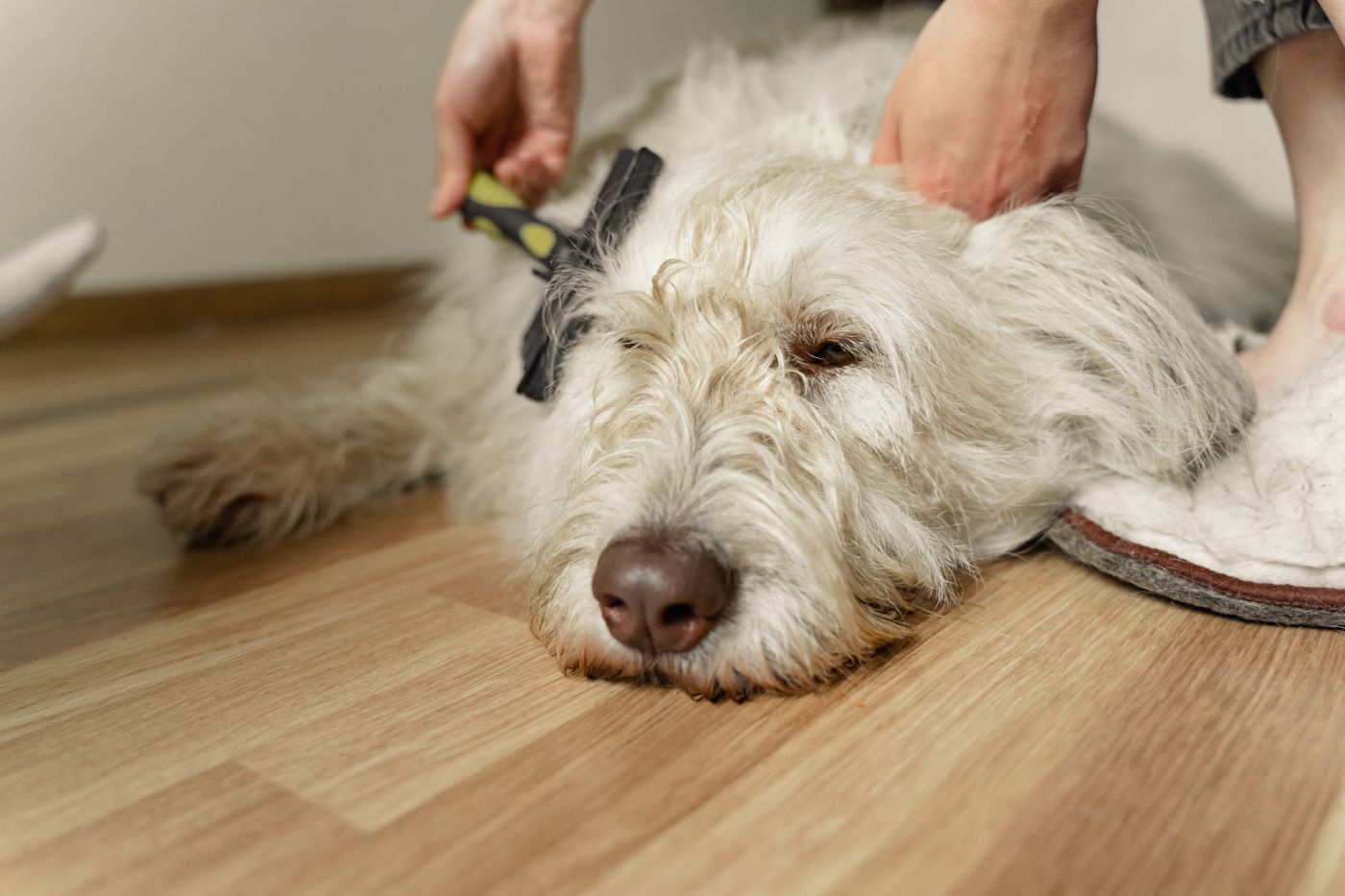
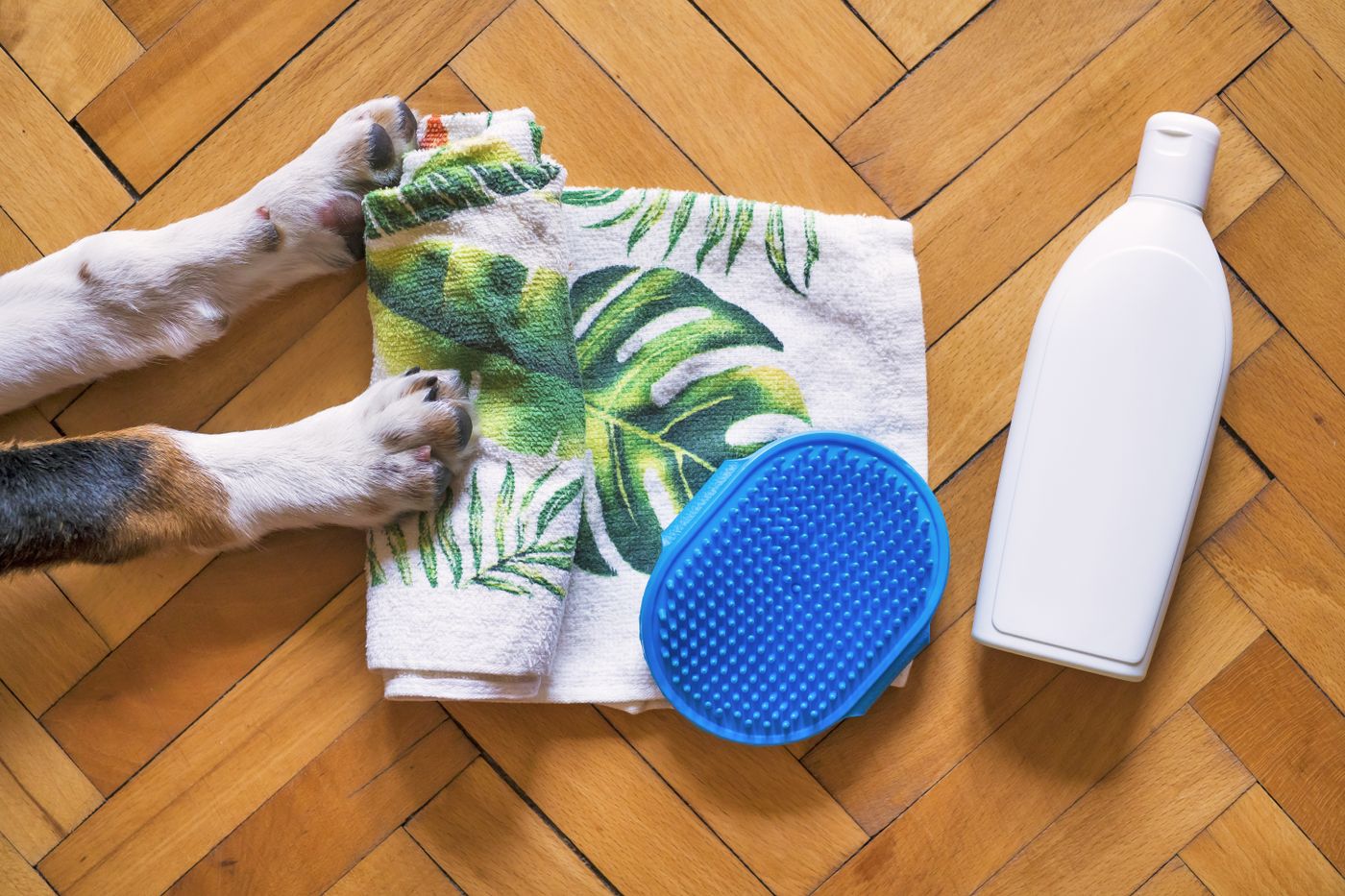
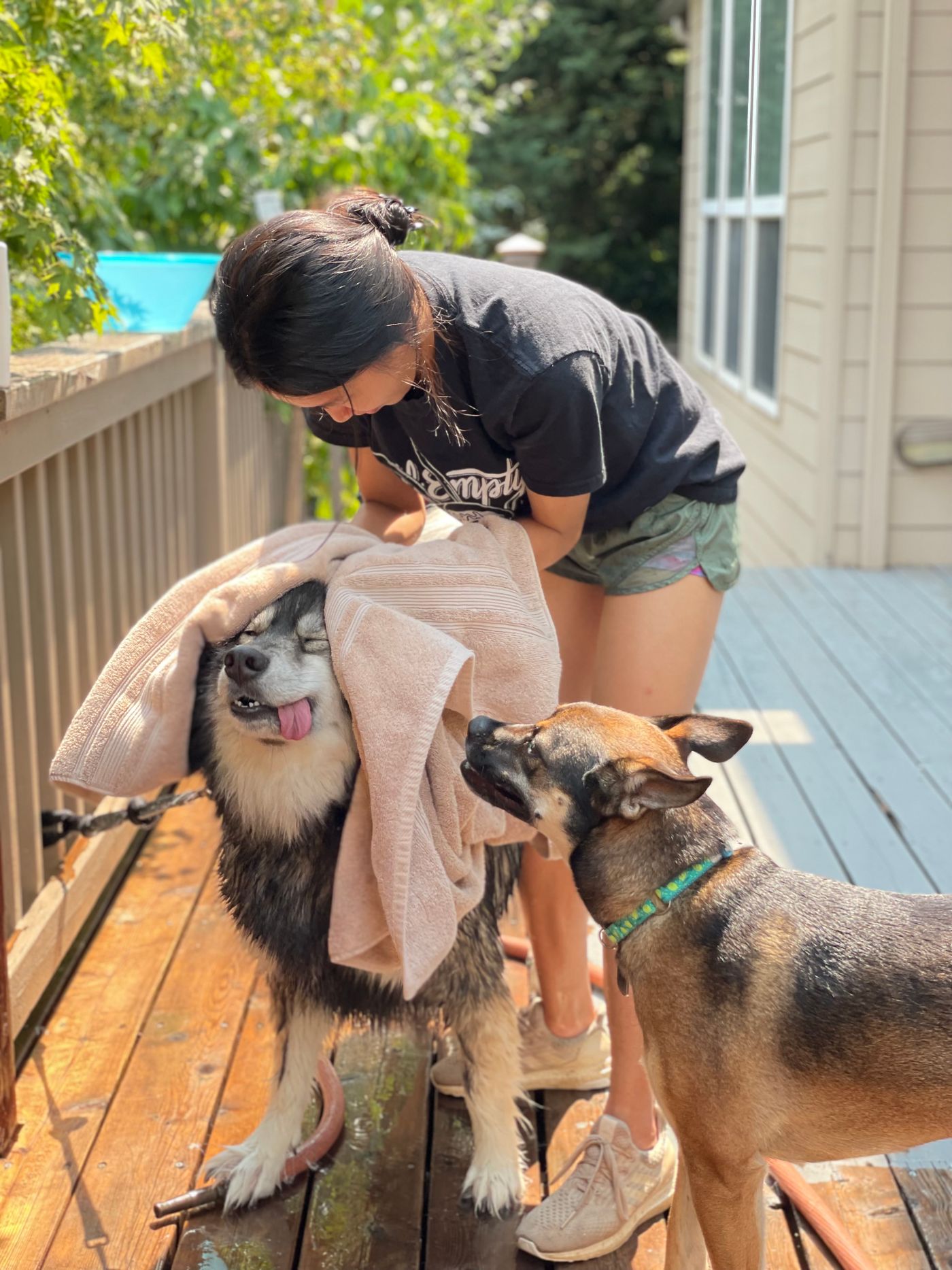
Have towels and a comfortable dry resting place ready. Gently clean paws and any affected coat areas as appropriate after exposure to grit or salt, following professional advice where needed. Do not pull at ice or tightly tangled hair. Check for discomfort during ordinary handling and contact a veterinarian if something concerns you.
Shorten the outing if the dog appears uncomfortable, repeatedly lifts feet or wants to return. Do not continue solely to complete the usual loop. If you suspect exposure to a harmful substance, seek veterinary advice promptly rather than waiting to see whether cleanup is enough. A good cold-weather routine adapts the route and equipment while preserving an easy, warm return.