Notice the opportunities already on the route
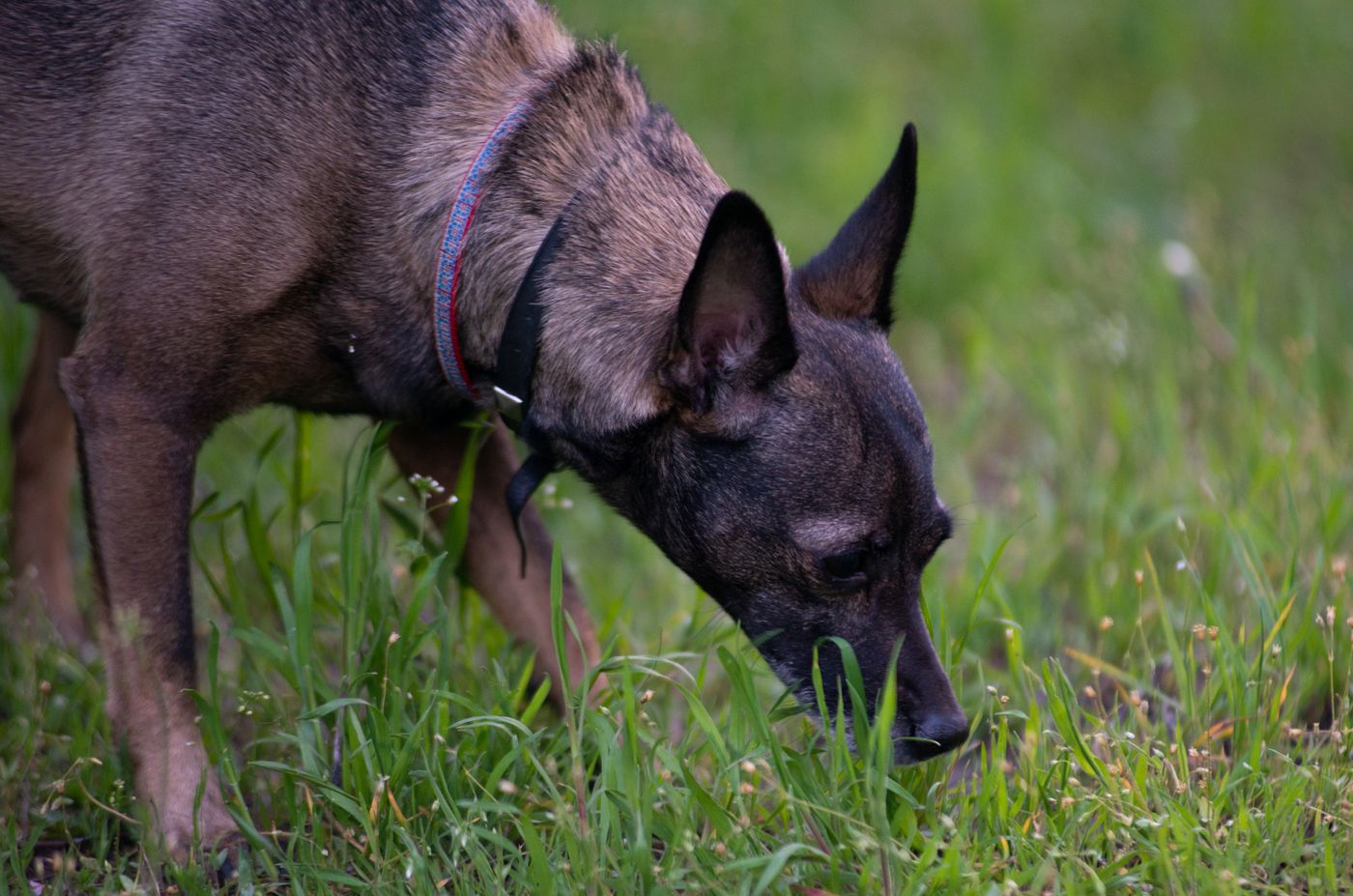
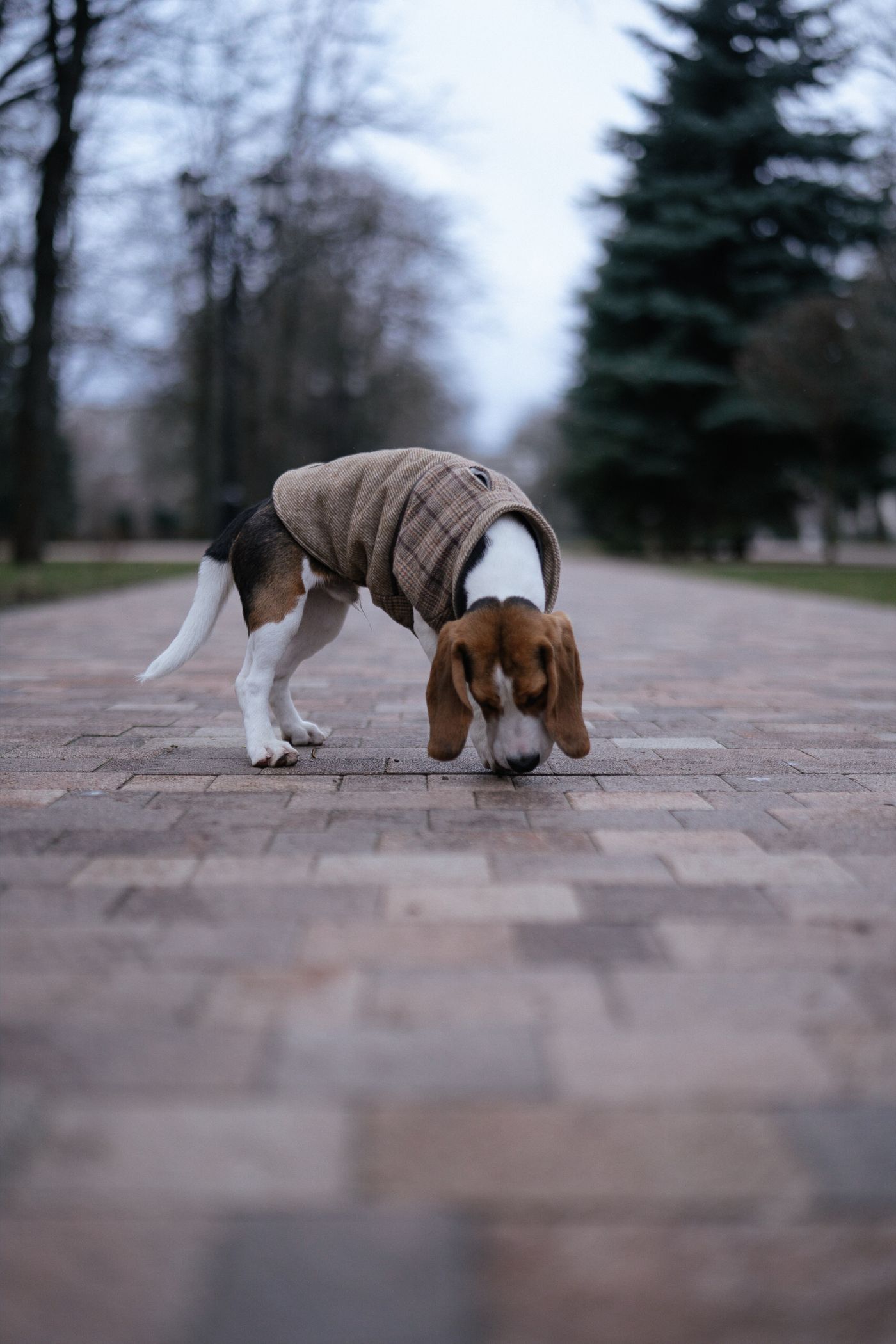
Look for safe verges, broad path edges and quiet places where you can pause without blocking others. A short street may contain several useful sniffing spots that are usually passed in a hurry. Check ground conditions and keep away from litter, traffic and private entrances. Choose one or two places to linger rather than redesigning the entire walk. Familiar surroundings can be valuable because the dog has fewer new demands to process at once.
Add one optional activity
At a clear safe spot, offer an easy hand target, a short change-of-direction game or a search for a familiar toy placed in view. Keep the task brief and let the dog return to exploring. Food searches need a clean controlled area where you can track each piece and avoid attracting other animals. You do not need to add a game at every stop. Sometimes the useful change is simply allowing the dog to investigate a smell until they are ready to move on.
Offer choices within your safety decisions
At a quiet fork, allow the dog to choose between two suitable directions if either works for the outing. You still decide whether a crossing is safe, access is permitted or another animal needs space. Use a familiar cue when it is time to continue instead of suddenly pulling away. Choices should fit the practical route home. If the dog wants to approach a hazard, redirect toward a safe alternative without treating the preference itself as misbehavior.
Keep track of what made the walk easier
Afterward, consider whether a quieter departure time, one longer sniffing stop or a simpler route improved the experience. Repeat useful details instead of adding more novelty every day. A dog who is tired or worried may prefer a predictable short outing with no extra exercises. Adjust to the individual and current conditions. The point is a more comfortable shared walk, not proving that every ordinary route can support a full enrichment program.