Choose a question the notes can answer
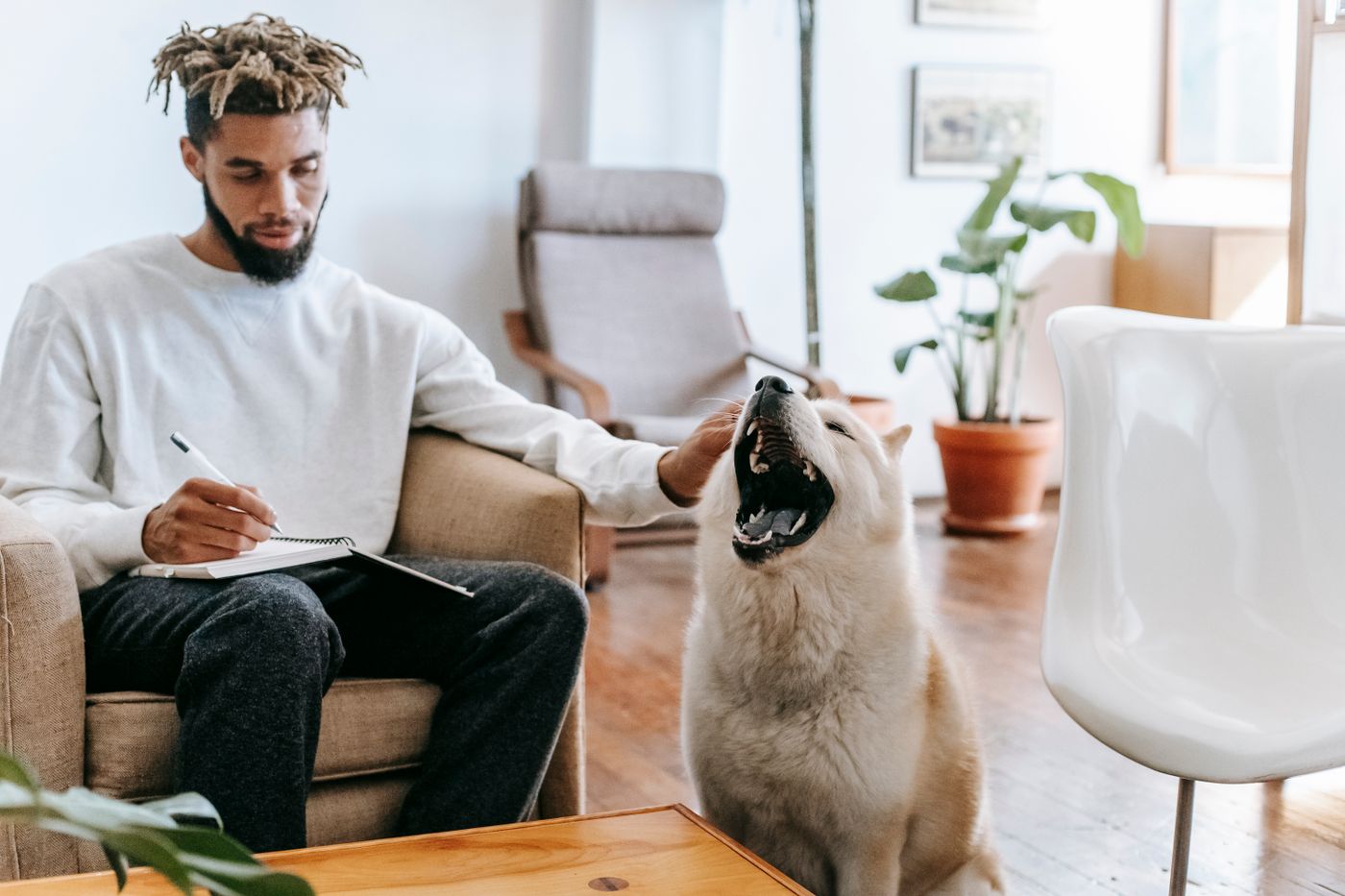
Record observations when something changes or when a professional asks you to monitor a particular pattern. Include the date, time, situation and what you actually saw. Dog stopped halfway up the usual steps is more precise than dog is getting old. Keep the description separate from your guess about the cause.
Add relevant context such as weather, a different walking route or an unusual household event. You do not need to document every movement. A useful notebook collects enough detail to explain a pattern while leaving you free to interact normally with the dog.
Use simple consistent descriptions
If several people share care, agree on a basic format so their notes can be compared. Record meals or outings as completed rather than relying on ticks whose meaning is unclear. Include any existing professional instructions exactly and note who provided them and when.
Photos or short videos can sometimes help explain a naturally occurring event, provided recording does not delay necessary care or cause the dog distress. Do not recreate a painful movement or provoke a reaction to capture it. The dog's comfort matters more than obtaining a perfect example for the record.
Bring the useful part to the conversation
Before an appointment, summarise the main change and select a few relevant entries. Explain what is usual for this dog and what now differs. A professional can use that context more easily than a long unfiltered diary with no clear question.
Do not wait for a complete diary
Seek advice promptly when a change is concerning; do not wait to collect a week's worth of evidence. The notebook is a communication aid, not a screening tool that rules out illness. Once a question is resolved, simplify or stop tracking unless you have been asked to continue. Keep sensitive records secure and share them with the people actually involved in care. Good notes support timely decisions without replacing professional assessment.