Inspect it before the introduction
Remove packaging, tags and any removable pieces that are not part of safe use. Check the toy's size, condition and instructions, including whether it requires supervision. Consider how your dog usually interacts with objects: gentle carrying and determined chewing call for different choices. Put other animals elsewhere if a new item could create competition. Begin in a familiar quiet space rather than unveiling the toy during an already exciting arrival or crowded family gathering.
Place it nearby and allow a choice
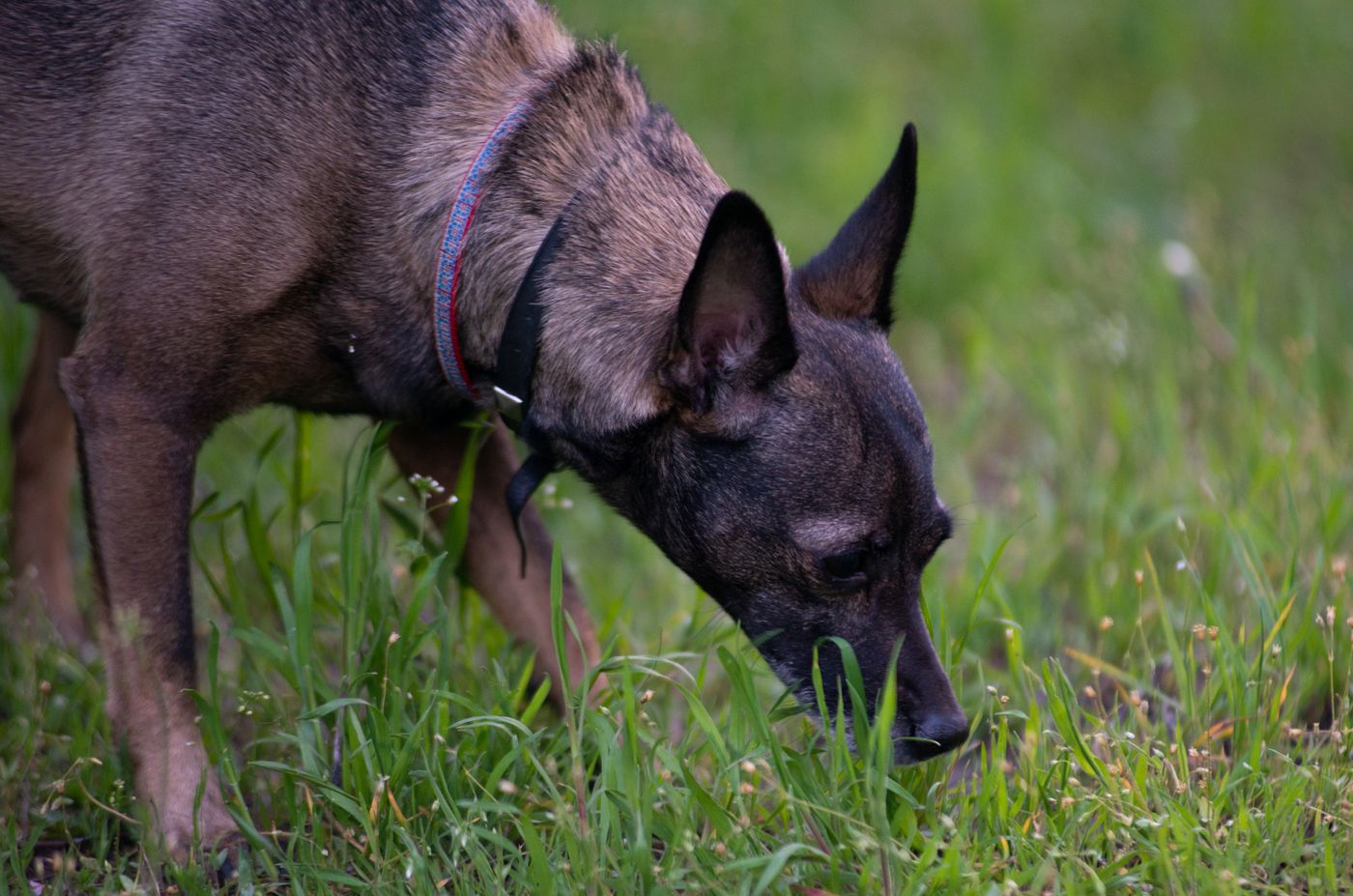
Set the toy on the floor at a comfortable distance and give your dog time to notice it. Sniffing and then walking away are valid first responses. You can move the toy slightly if that suits its purpose, but avoid repeatedly pushing it toward the dog's face. Loud squeakers can be surprising, so do not activate them beside the ears. Let the dog approach, retreat and return without making the encounter a test of confidence.
Offer the kind of play your dog prefers
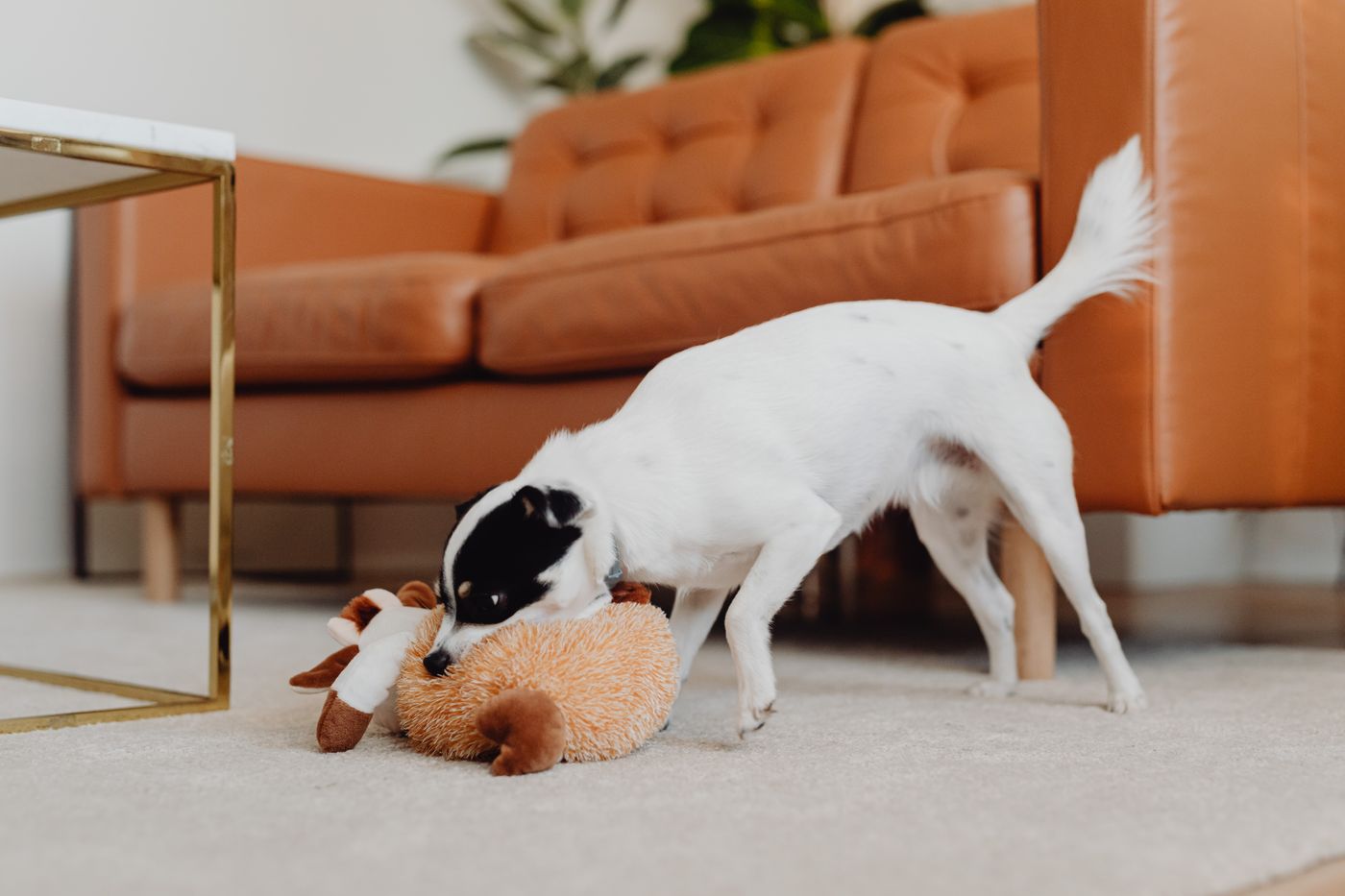
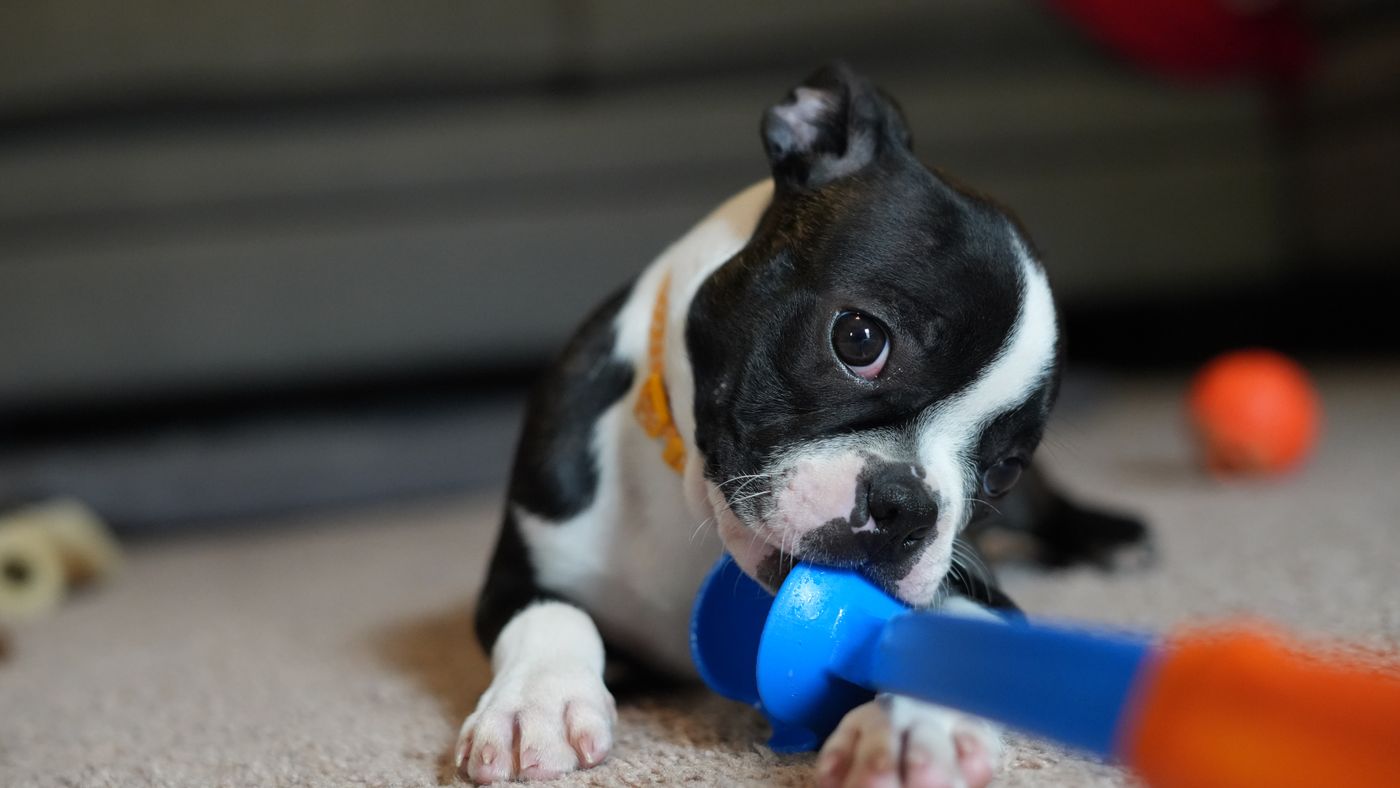
A dog who enjoys carrying may appreciate being allowed to pick up the item without someone immediately grabbing the other end. Another may prefer a brief shared tug or a low rolling movement. Start gently and pause to see whether engagement continues. If the toy is ignored, put it away and try another time. Lack of interest may simply mean the texture, shape or activity is not appealing; buying more versions of the same idea may not help.
Watch how the toy changes in use
Inspect after the first short session for punctures, loosened parts or exposed filling. A toy that looked robust in the shop may not suit this dog's way of playing. Remove damaged items and store supervised equipment appropriately. Avoid leaving an unfamiliar toy with the dog while you go out. Keep the successful part of the introduction in mind: perhaps quiet inspection worked better than animated presentation, or the dog enjoyed the object only with a person nearby.