Identify what the surface needs to do
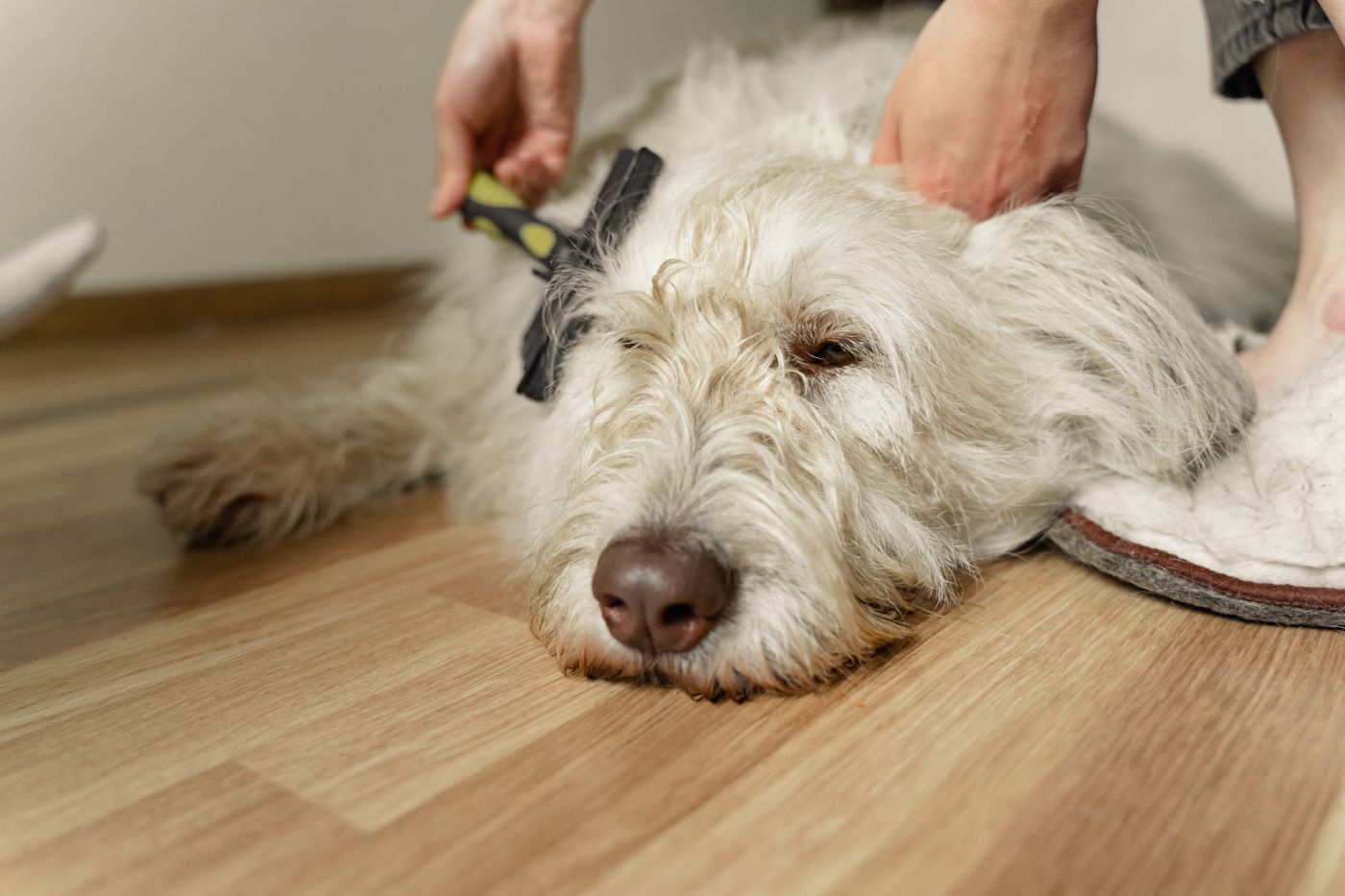
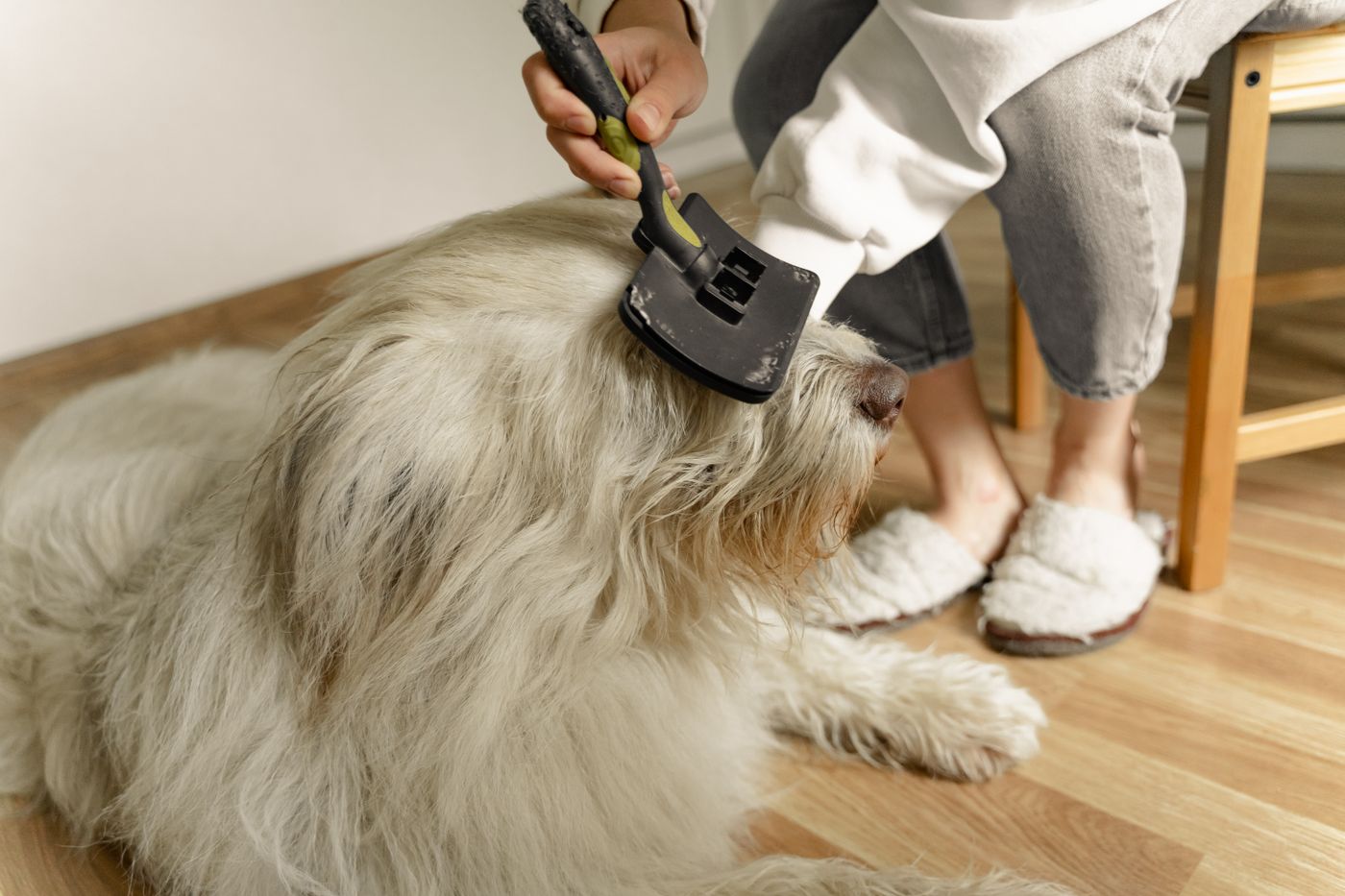
For simple brushing or towel practice, an elevated table may not be necessary. Consider a non-slip mat on the floor or another stable low arrangement where you can work comfortably without blocking the dog's exit. Choose a location with enough light to see what you are doing and enough space for the dog to change position.
Avoid improvised furniture that rocks, folds or slides under weight. A soft cushion that shifts may be less secure than a firm floor mat. Check your own posture too: if you cannot reach without leaning heavily over the dog, change the setup rather than holding them in place.
Introduce the station without grooming
Allow the dog to approach and step onto the surface voluntarily. Reward comfortable participation and let them leave. Repeat a few easy visits before adding tools or touching sensitive areas. The surface should not become a signal that retreat will be prevented.
Add one brief familiar handling action, then pause. You might touch the shoulder or place a brush against an easy body area before removing it. Watch for tension and adjust. A lower surface does not automatically make an uncomfortable task acceptable, so keep the same attention to choice and gentle progression.
Know the limits of home preparation
This setup is for manageable routine care and preparation, not for attempting every professional grooming task. Difficult mats, cutting near skin and painful areas require suitable professional help. If lifting is necessary for an appointment, ask the groomer or veterinarian how they can accommodate the dog safely.
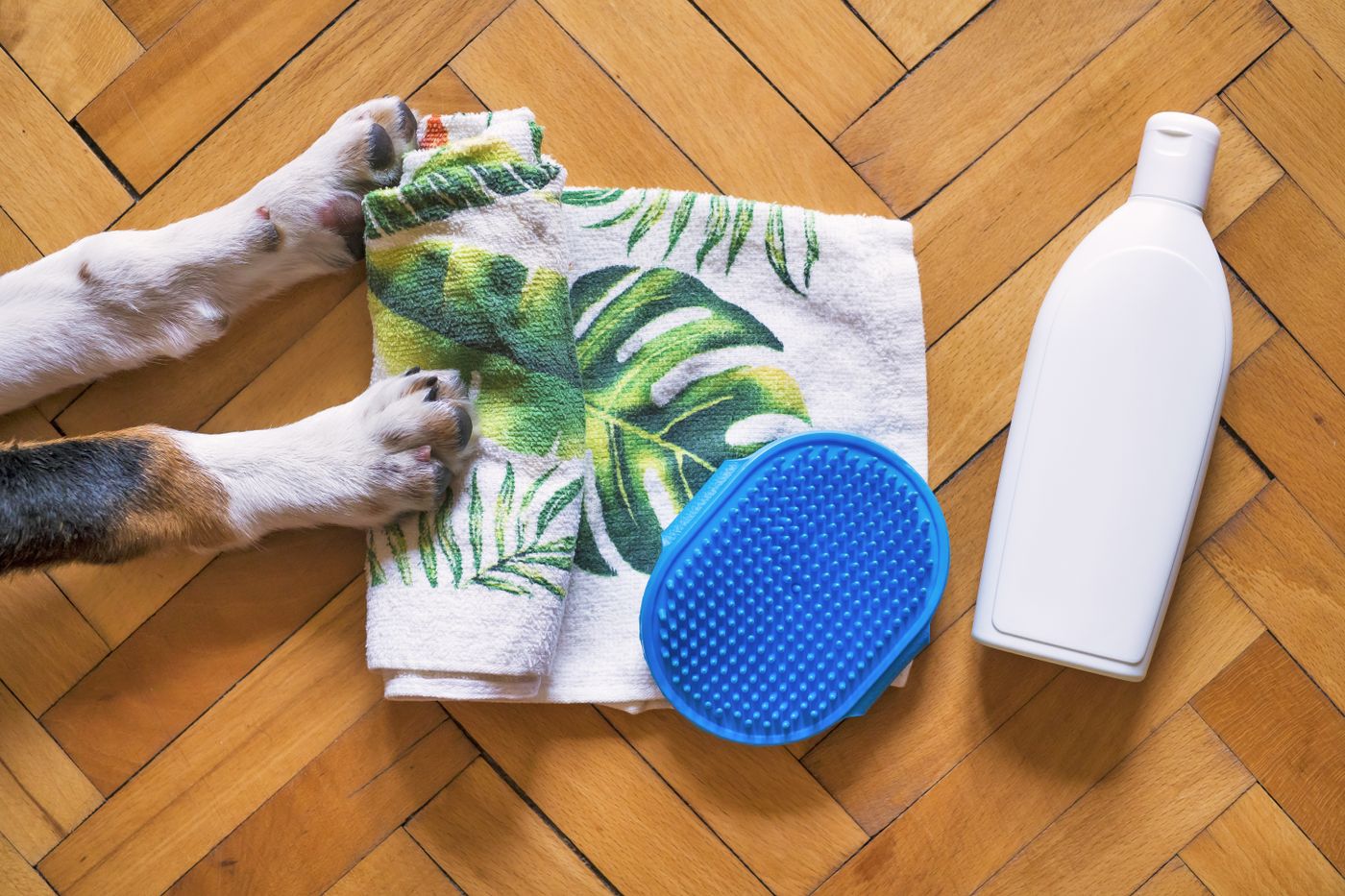
Practise the arrangement when you are not tired or hurried. Keep sessions short enough that you can maintain gentle technique and the dog can remain comfortable. Store equipment after use so the mat can also retain a neutral role in the room if appropriate. A practical alternative should reduce the physical demands on both of you, without turning floor-level handling into another form of restraint.