Look beyond the outside shape
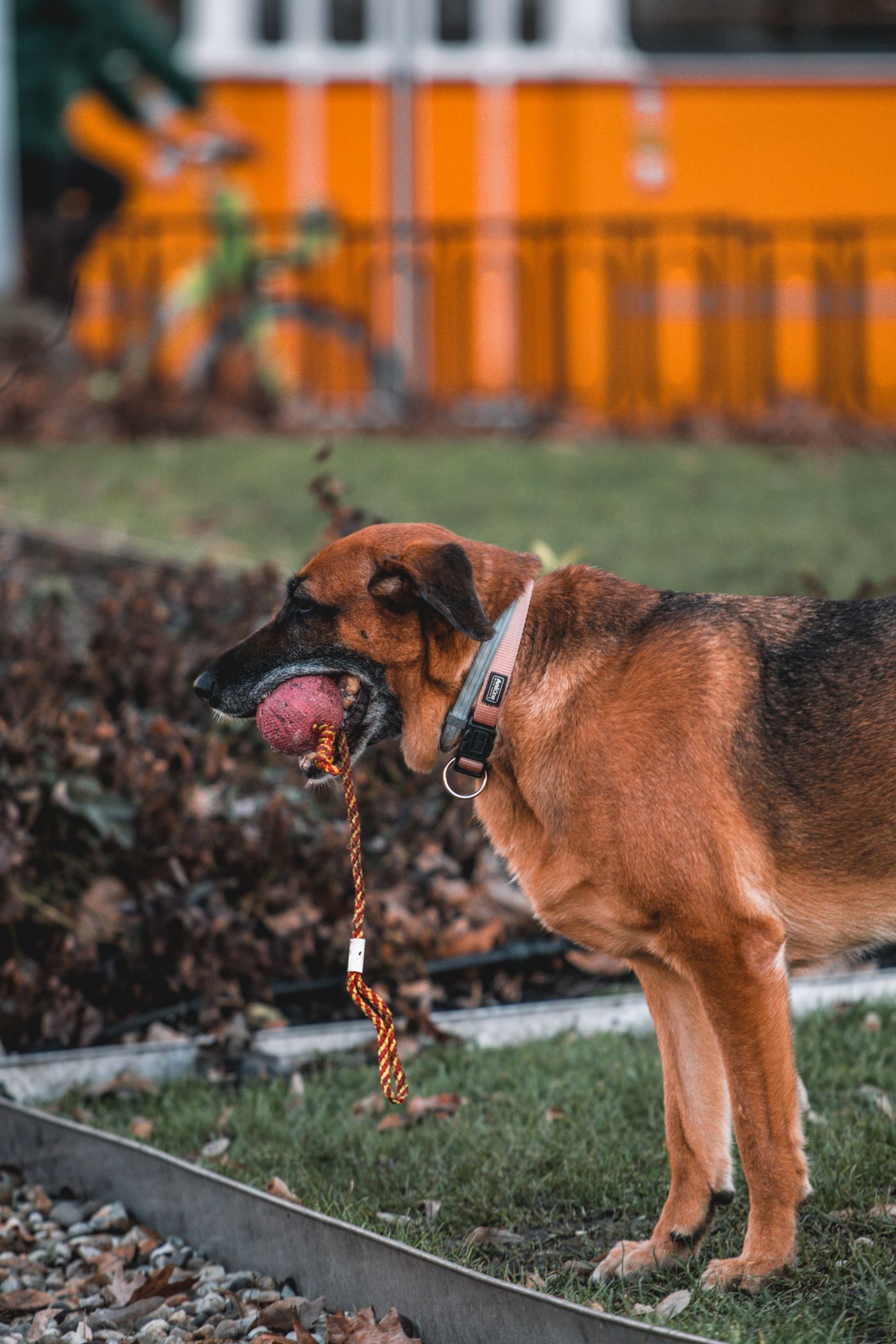
Check seams, handles, rope strands and any squeaker opening. Flex the toy gently where appropriate to reveal splits that close when it is still. Remove loose pieces from the play area, including fragments left from an earlier session. A toy can look mostly intact while a small component has become accessible.
Consider how this dog uses the item. One dog may carry a soft toy gently while another immediately works at a seam. Suitability depends on size and behaviour, not just the age range printed on the packaging. Follow manufacturer guidance and supervise unfamiliar toys closely.
Remove doubtful items calmly
If damage appears, end that activity and offer an appropriate alternative rather than continuing for one last throw. Avoid chasing the dog around to seize an item. Use a familiar reward-based exchange when safe, and seek help for persistent difficulty around giving up possessions.
Do not assume tape, glue or a home-sewn repair restores safe use. Added materials may introduce new parts to chew or swallow. Some washable toys can be maintained according to their instructions, but structural damage is different from ordinary dirt. When in doubt, keep the item out of circulation.
Make inspection part of rotation
Store clean suitable toys separately from items awaiting cleaning or disposal. A small selection makes it easier to notice changes than an overflowing basket where damaged toys disappear beneath newer ones. Check again during energetic play, not only at the beginning.
Choose a replacement activity that suits the moment: a gentle search for a familiar toy, a short supervised game or rest. You do not need to replace every discarded item immediately with something more stimulating. If you think the dog has swallowed part of a toy, contact a veterinarian promptly and describe the material and timing. Inspection reduces avoidable risk, but it is not a guarantee that any toy can be left with every dog unattended.