Watch what already holds their interest
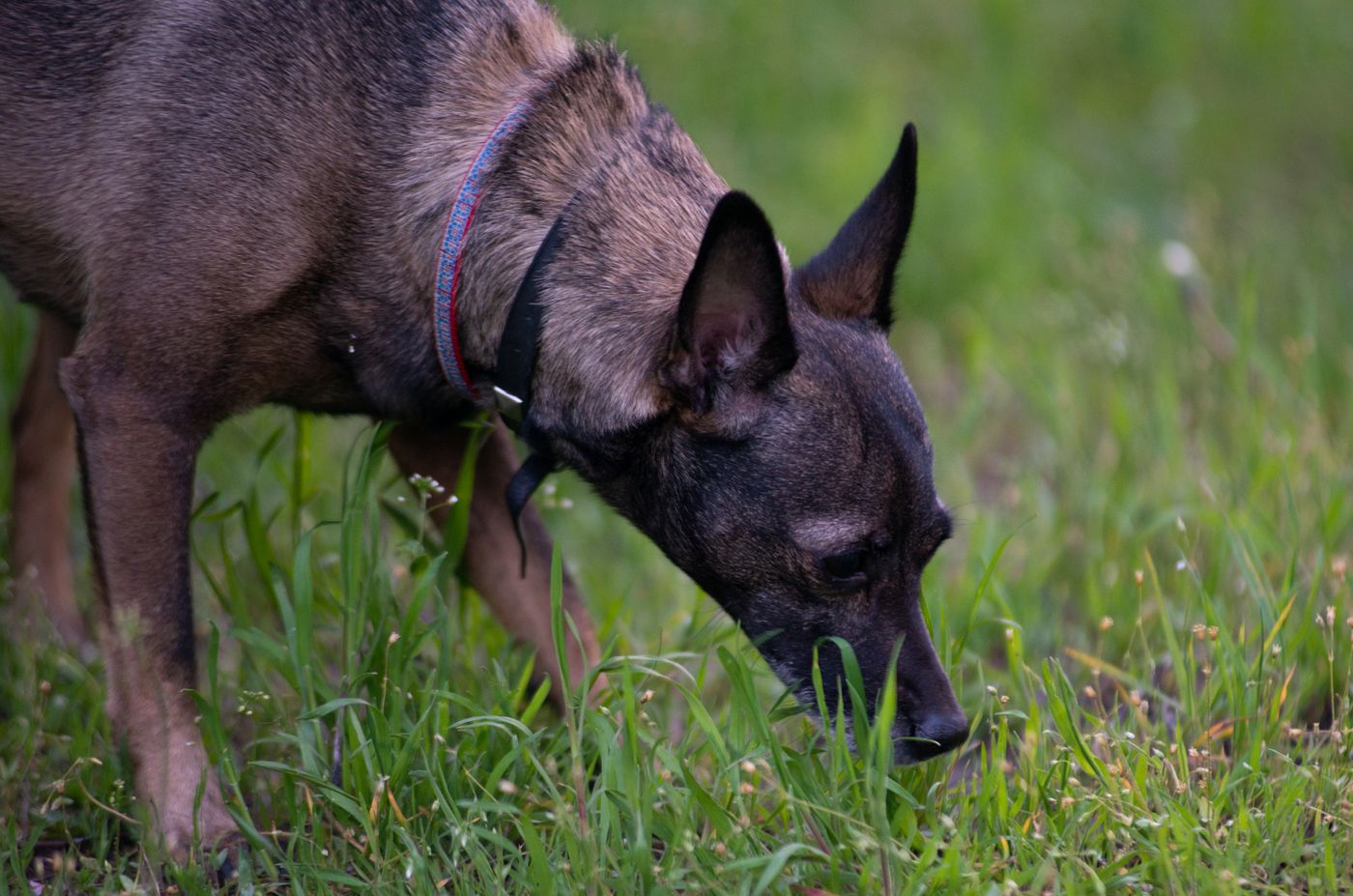
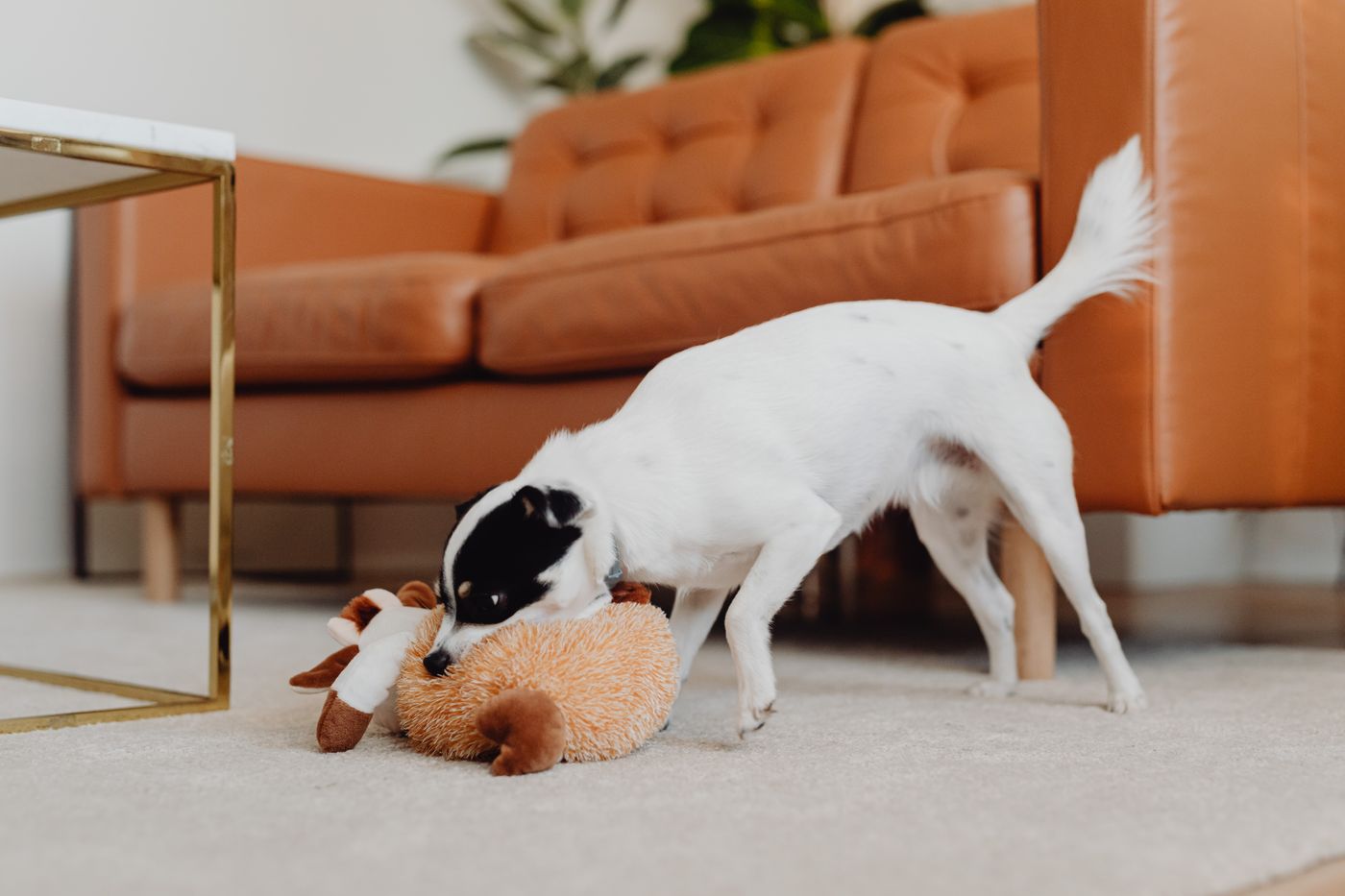
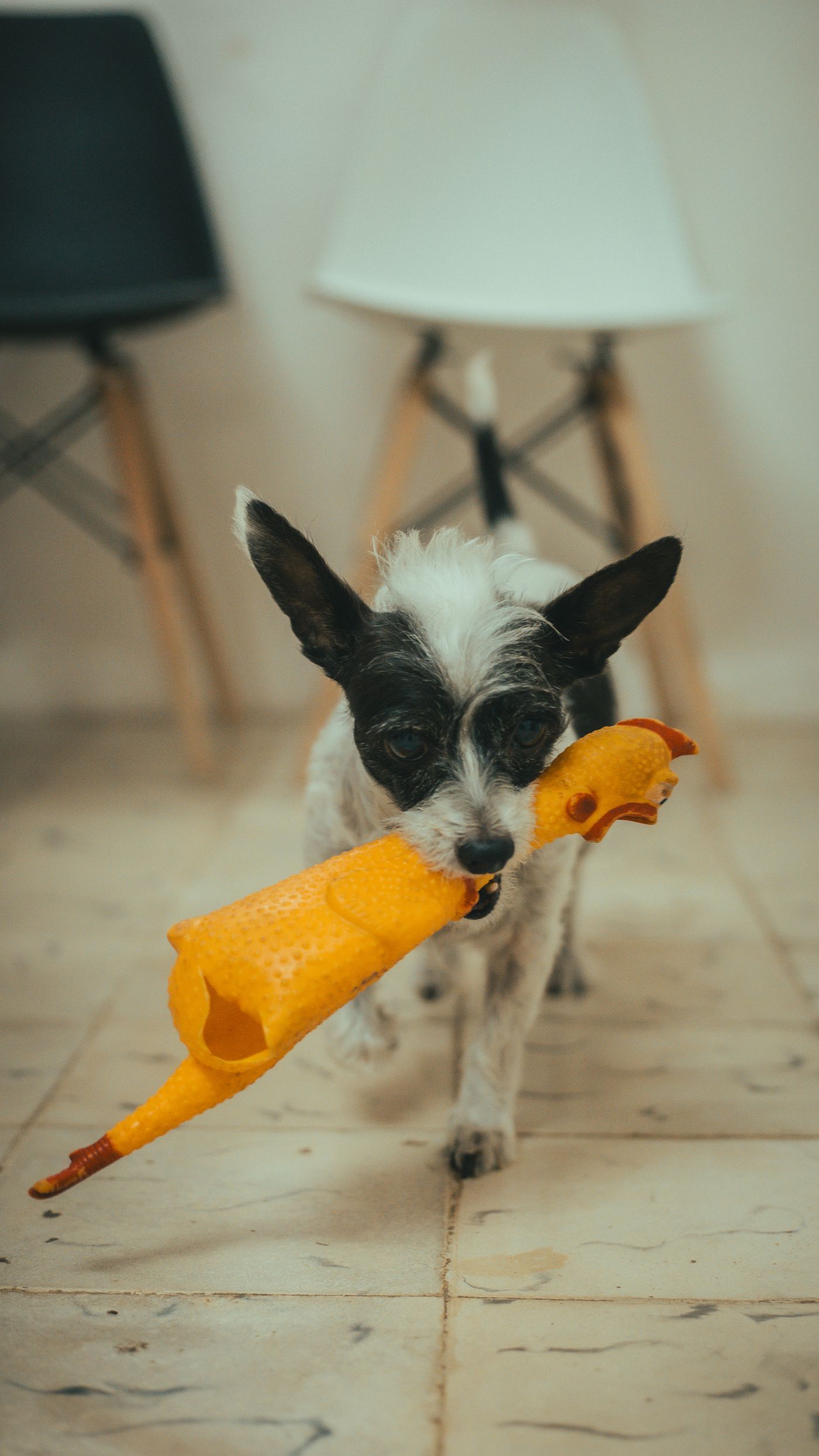
Notice whether your dog carries soft objects, follows scents, enjoys gentle pulling or approaches when you move around the room. These observations suggest different starting points. A dog who likes investigating a bag may enjoy an easy supervised search; one who brings a toy to your feet may want interaction rather than a throw. Avoid interpreting an ignored ball as laziness or a lack of intelligence. Play preferences vary, and the setting can affect them too.
Try one small alternative at a time
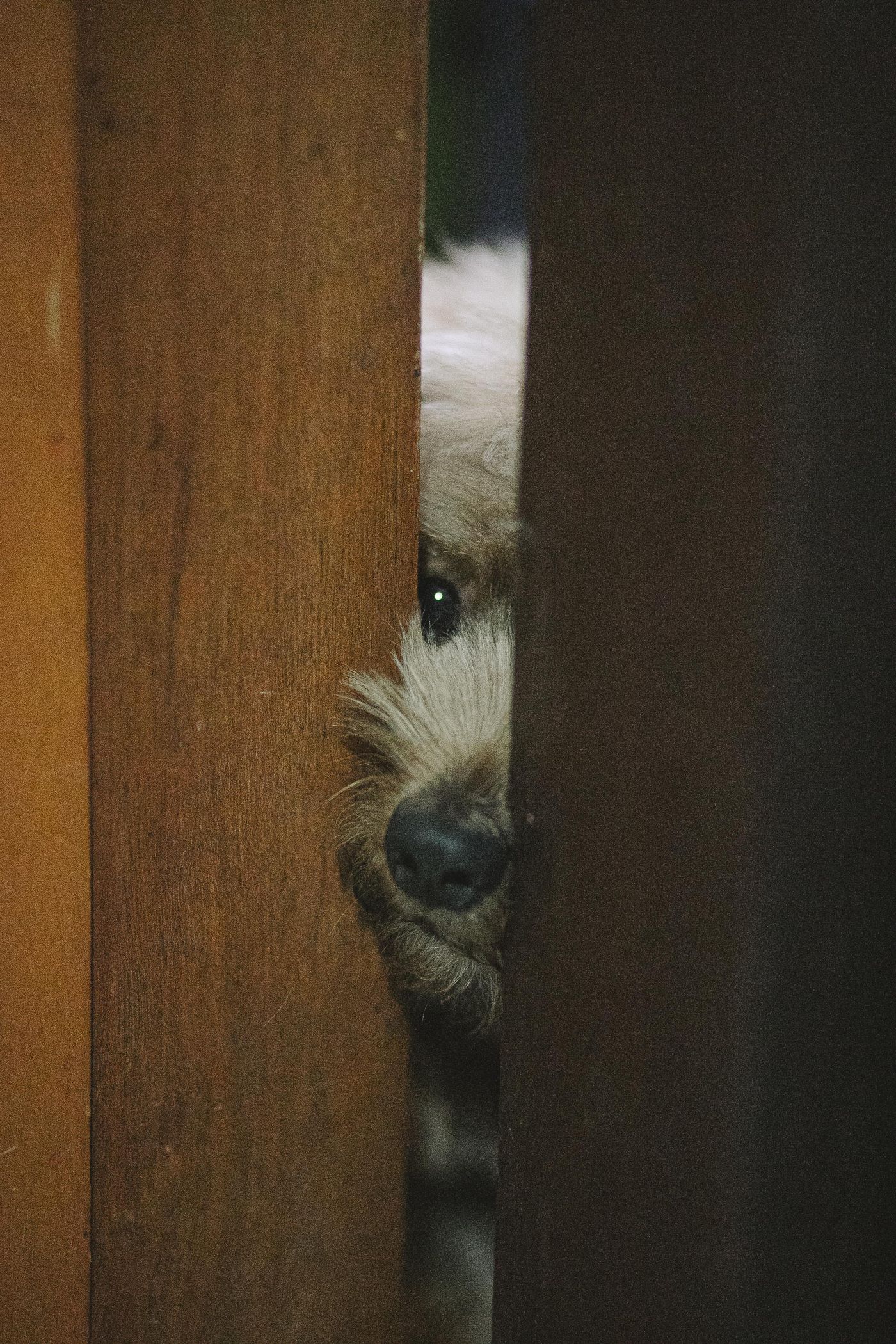
Offer a suitable tug toy at a comfortable height, place a familiar toy partly in view for a search, or lay a few suitable food finds on a clear mat. Keep each invitation brief and separate. Presenting several toys at once can make it difficult to tell what the dog actually likes. If the dog walks away, allow it. A quiet shared rest can be a better choice than repeatedly trying to create excitement.
Separate chasing from retrieving
Some dogs enjoy following a rolling toy but have little interest in bringing it back. You can enjoy a short controlled chase and then retrieve the toy yourself, or teach a voluntary exchange in a different session. There is no requirement to turn every preference into conventional fetch. Keep surfaces safe and movement modest. Avoid using lasers or teasing the dog with something permanently unreachable; choose an activity with a clear, attainable outcome.
Build a small menu of favorites
Once you find an appealing format, keep two or three versions available for different days. A simple scent search suits a quiet evening, while a gentle shared toy game may fit an alert moment. Inspect equipment and supervise according to the dog's style of play. A sudden loss of interest in previously enjoyed activities deserves attention and, when concerning, veterinary advice. That is different from a dog who has never found balls especially interesting.