Choose the resting space before starting
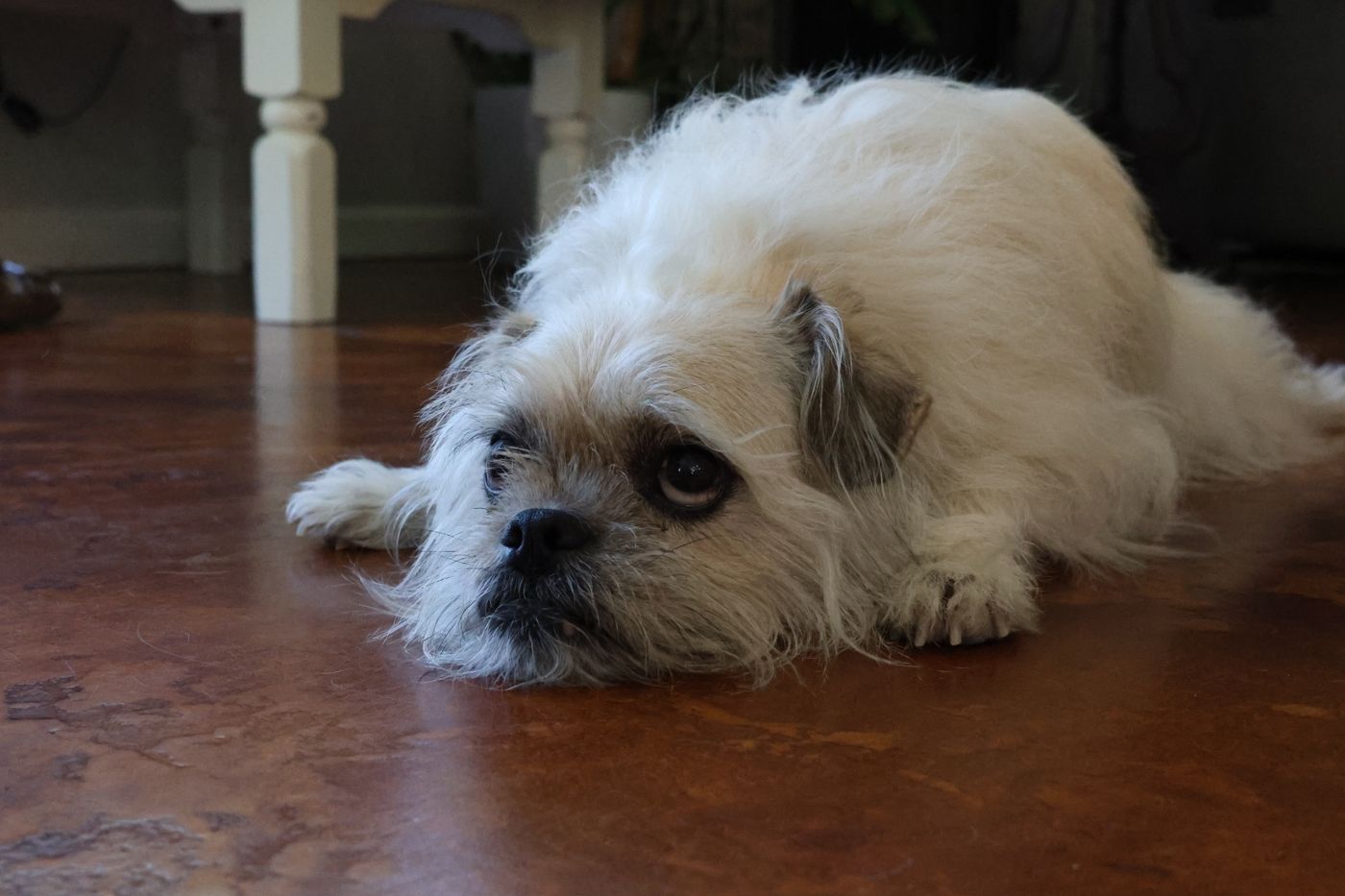
Pick a familiar area away from the main cleaning route, with water and a comfortable surface. Check that closed doors or barriers will not leave the dog distressed. If they need company, arrange for another adult to remain nearby or clean in smaller stages while maintaining comfortable contact.
Move necessary supplies before settling the dog so you do not repeatedly enter their space. Keep cleaning products, buckets and electrical leads inaccessible. A quiet corner beside a vacuum being moved every few minutes is not truly separate from the activity.
Reduce avoidable surprises
Start noisy equipment at a distance where possible and avoid steering it towards the dog. Do not treat barking or retreat as an invitation to make the vacuum approach again. If the dog is worried, pause and improve the arrangement rather than expecting repeated exposure during housework to solve the problem.
Allow safe routes between resting and essential areas. Follow product instructions about ventilation, drying and when cleaned surfaces can be used again. Keep the dog away from wet floors or residues until appropriate. Opening a window for ventilation also requires checking that the space remains secure.
Return the home gradually
Finish one area and put equipment away before inviting the dog back. Restore bedding and water to accessible positions. A room full of moved furniture can be unfamiliar even after the noise has stopped, so let the dog look around without pressure.
Notice whether a different cleaning order would make the next session easier. Perhaps the hallway should be done last, or a shorter vacuum session works better while another person takes the dog on a suitable outing. Persistent fear of ordinary equipment can be addressed separately with qualified reward-based support. Housework itself does not need to become a training exercise. Its immediate purpose is a clean home in which the dog can still feel secure and rest.