Plan the finish before the intensity rises
Choose where the dog can move afterward and keep water accessible. Include short pauses during the game rather than letting excitement build uninterrupted until you suddenly stop. Watch the surface, weather and the dog's movement as well as their willingness to continue. Enthusiasm alone does not tell you whether more activity is suitable. Keep the final part less demanding, such as a short gentle exchange instead of the longest throw or fastest chase.
Use a familiar change of pace
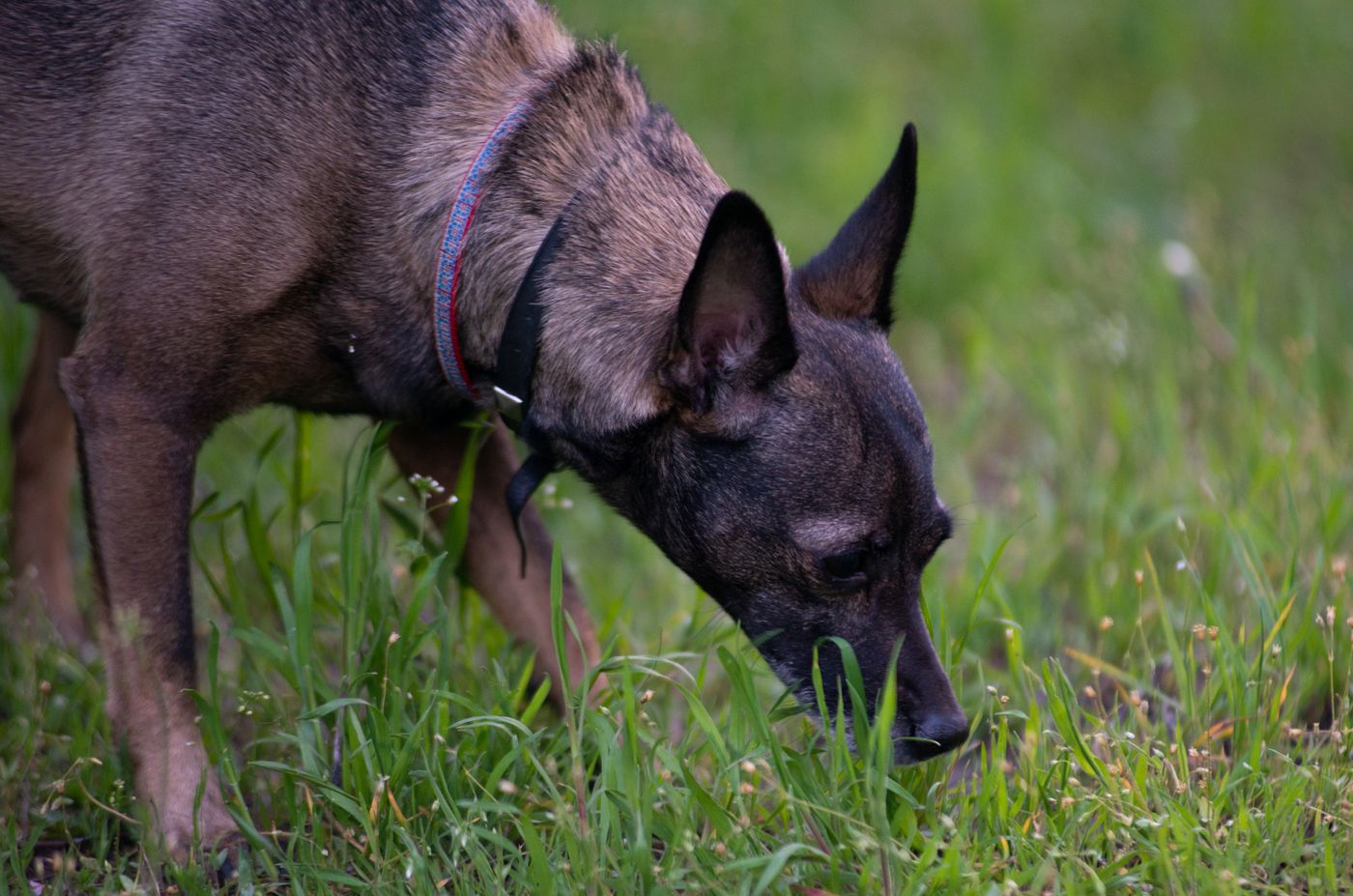
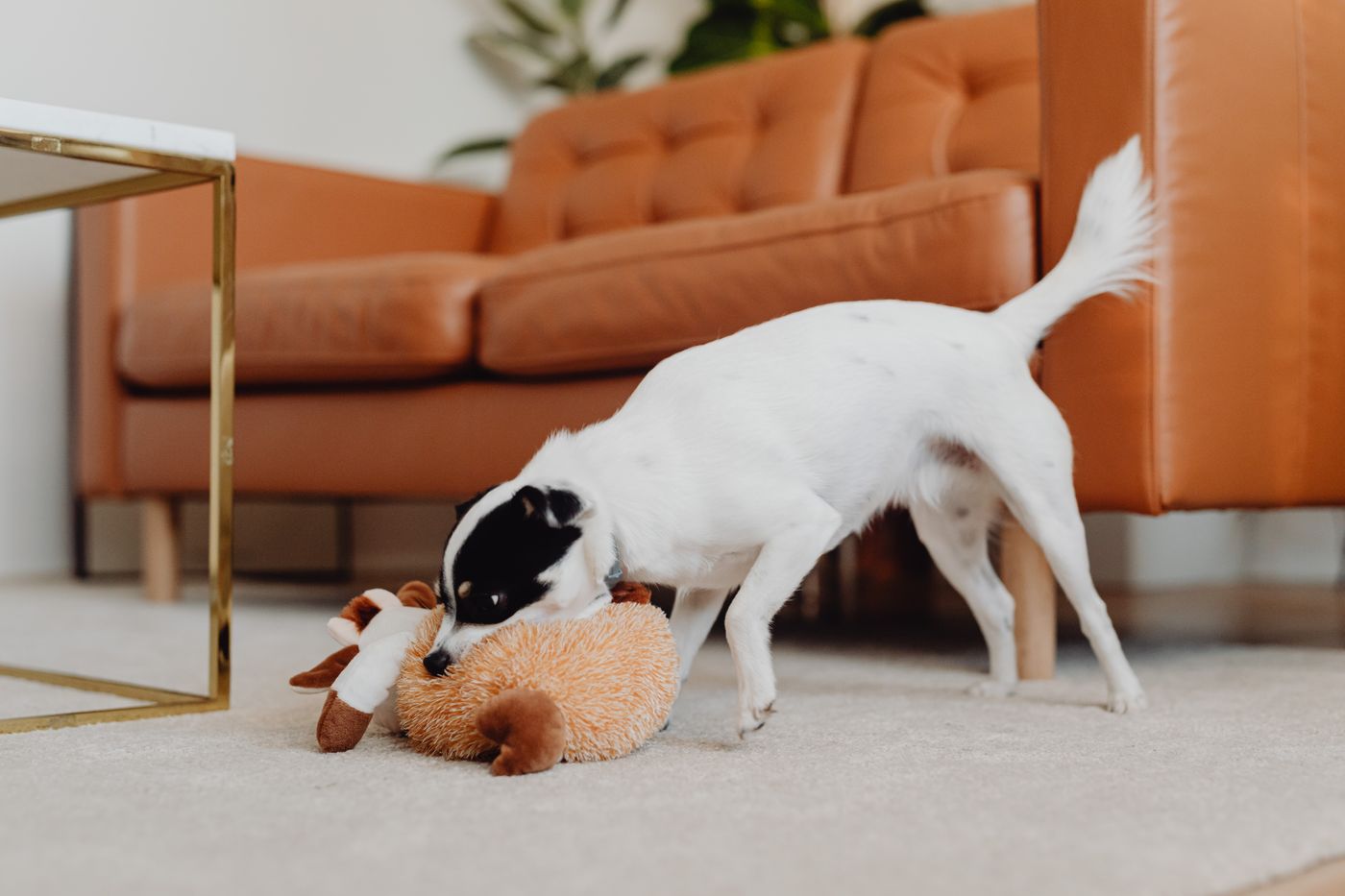
Reduce your movement and voice, then use a clear finish phrase. If a toy needs to be collected, use a practiced voluntary trade rather than chasing or pulling it from the mouth. Offer an easy quieter option, such as a short sniff around a safe area or returning to a comfortable resting space. Avoid replacing one intense game with another simply because the dog is still alert. The transition can be gradual without becoming an endless sequence of activities.
Make rest available without forcing stillness
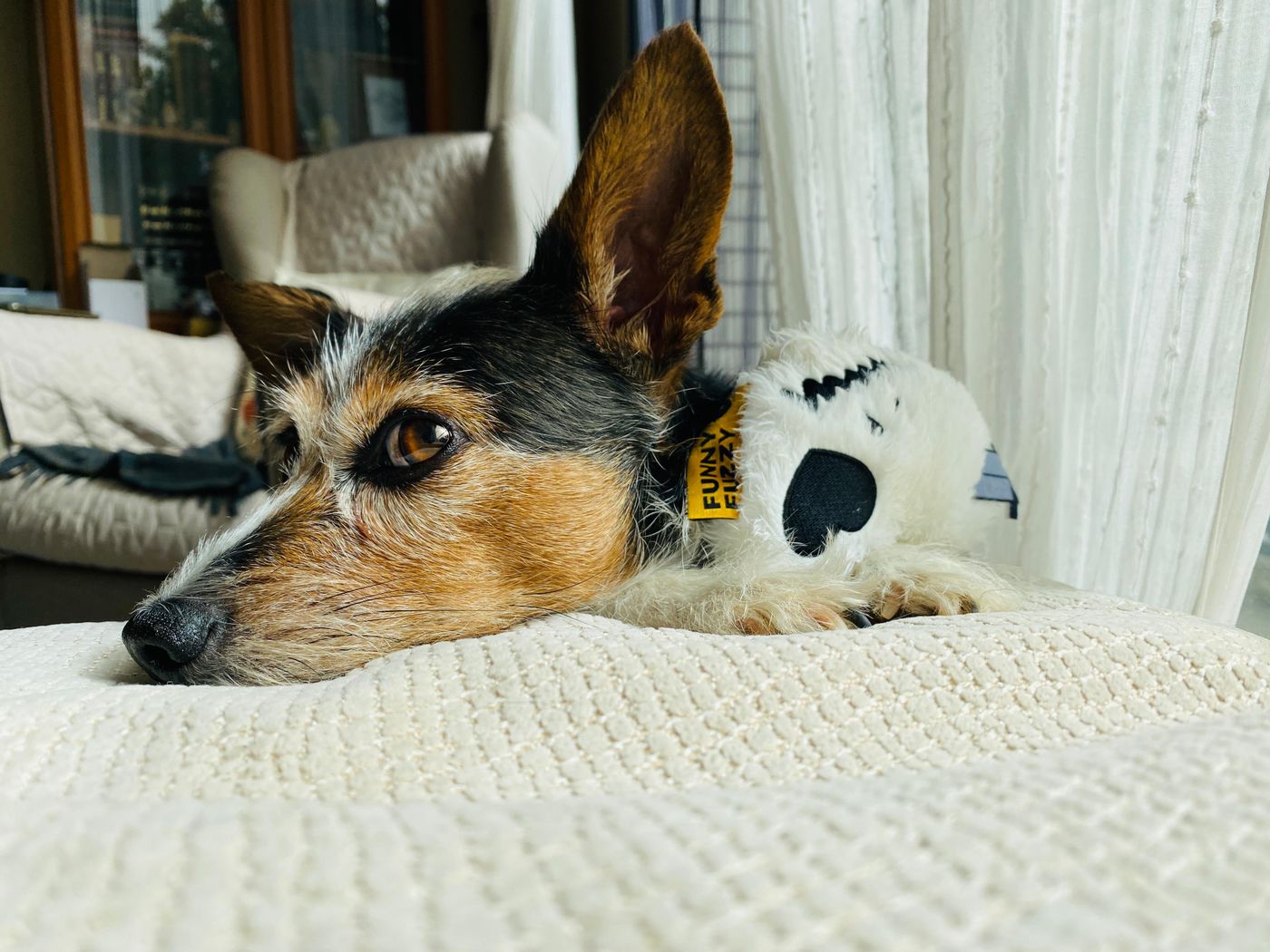
A dog may need to drink, toilet or move around briefly before lying down. Give those ordinary choices in a calm environment. Do not hold the dog down or insist on a long stay as proof that they have settled. Reduce avoidable excitement around them, including people repeatedly calling or presenting the toy again. If several dogs were playing, separate resting options can prevent one from restarting the interaction while the other is ready to stop.
Use difficult endings to adjust the next session
If your dog repeatedly cannot disengage, shorten future games and introduce pauses earlier. Choose a less intense format or a quieter setting rather than trying to exhaust them until stopping becomes unavoidable. Persistent distress around the end of play warrants professional guidance. Keep notes about what helped: collecting equipment out of sight, a predictable sniffing transition or fewer repetitions may each change the experience without requiring a complicated routine.