Look beyond the attractive path description
Before leaving, check the local land manager’s guidance and current signs about dogs. Rules vary by jurisdiction and location, so do not apply one country’s access arrangements everywhere. A route described as dog-friendly may still cross fields containing cattle, sheep or horses.
Identify an alternative before entering a livestock field. A longer route around the area may be easier than trying to manage a close encounter with animals and a dog. Read notices at the gate, look across the field and turn back when the available space does not feel safe. A previous uneventful walk does not guarantee the same conditions today.
Keep the ordinary plan simple
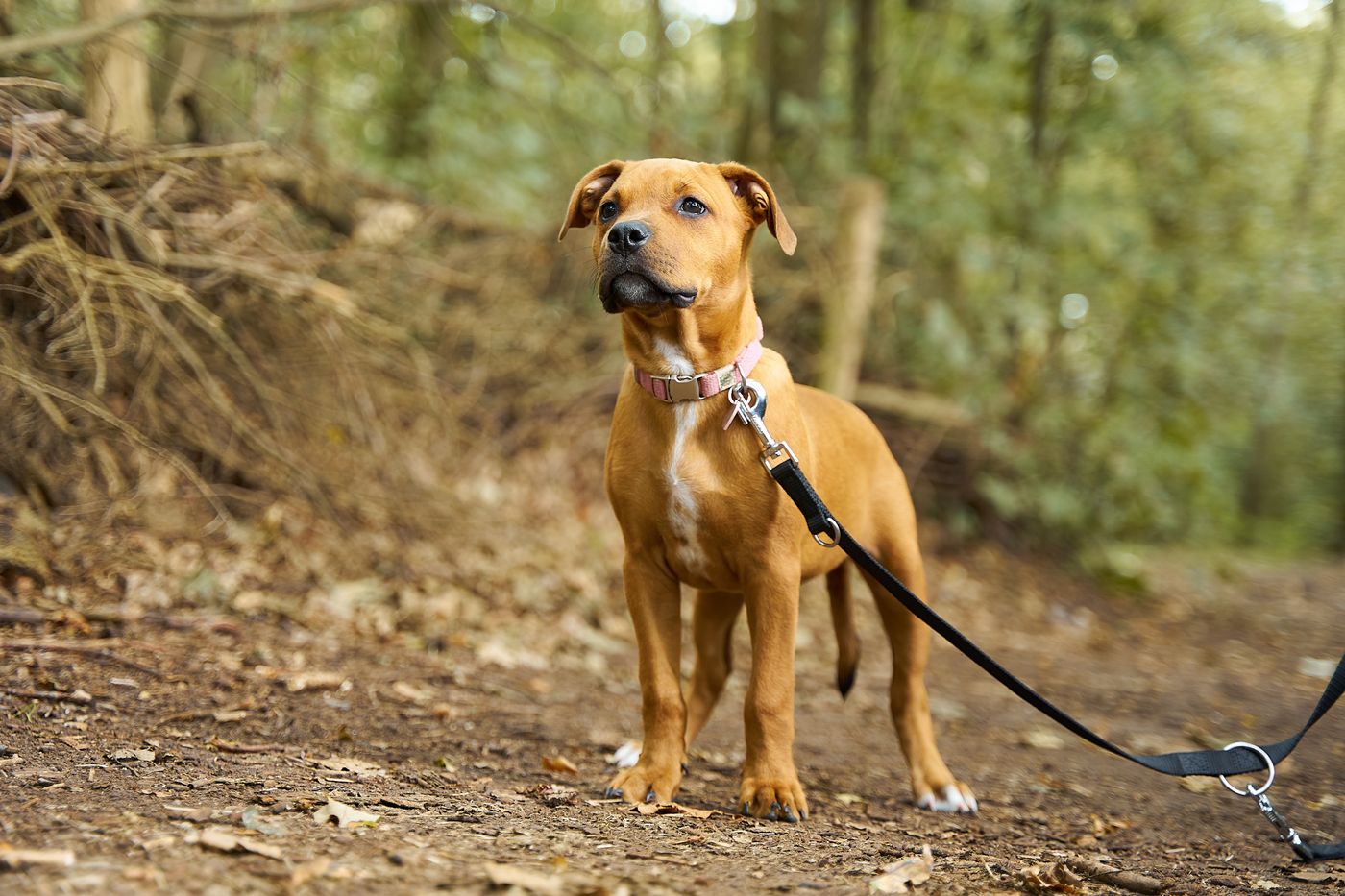
Use a lead around livestock, maintain effective control and give animals a wide distance without leaving permitted access. Do not approach to take photographs, let your dog investigate through a fence or encourage contact because an animal appears curious. Keep the group together enough to communicate and avoid blocking a gateway while deciding what to do.
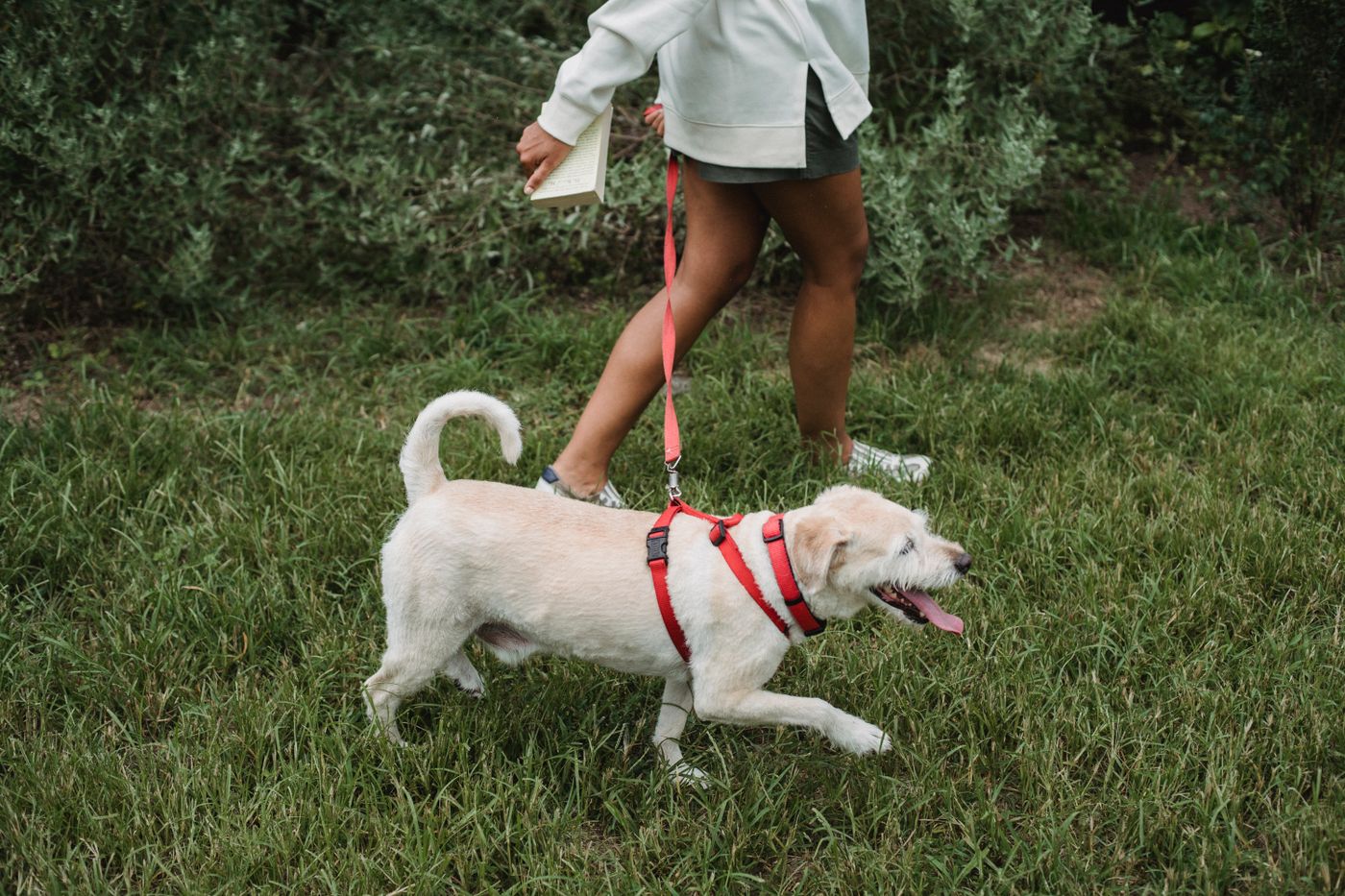
Leave gates as instructed or as you found them, and cooperate with people working on the land. Collect dog waste and take it to an appropriate bin; a bag left beside the path is still a problem. Keep the lead organised so it cannot tangle around you during an ordinary change of direction.
Know the emergency exception
The Countryside Code for England and Wales advises releasing your dog from the lead if you feel threatened by livestock or horses, so both of you can reach safety. It also says not to risk injury protecting the dog. This emergency guidance is different from allowing a dog to roam or chase livestock during a normal walk.
Read the relevant official advice for the place you are visiting before setting out. If livestock encounters are likely to be difficult to manage, choose a route without them. You do not need to complete a planned circuit at the expense of safe decisions, and you can record an unsuitable field crossing to avoid it on future trips.