Choose a bag you can use with one hand
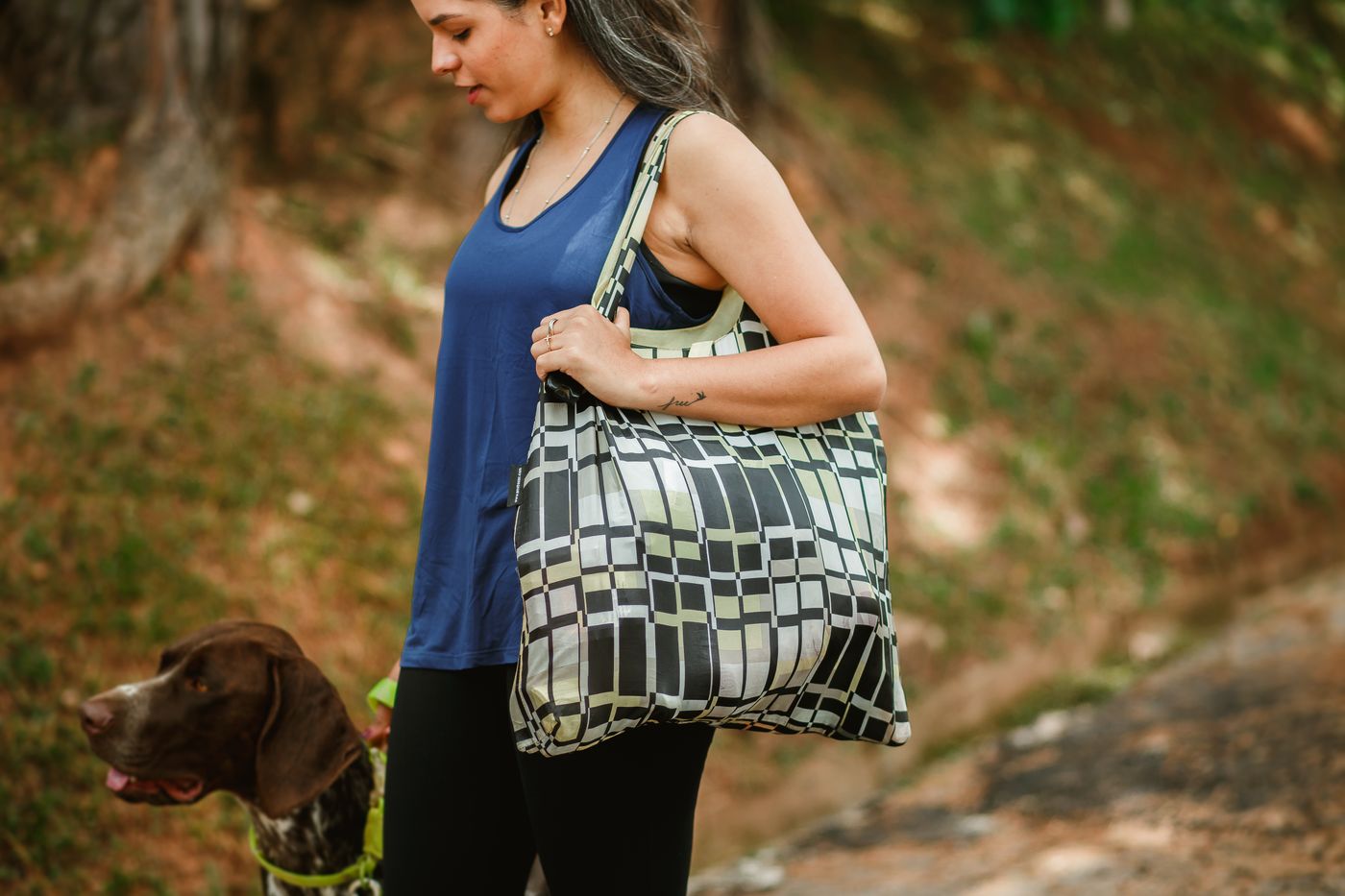
A bag that swings against your dog or needs two hands to open is awkward before you have even reached the park. Try its position with your usual walking clothes. Put the lead in your normal hand and check whether you can reach a waste bag without letting go. Zipped pockets are helpful for keys and a phone, while an accessible separate pocket keeps rewards easy to find.
Keep food away from used waste bags and cleaning supplies. If different people walk the dog, agree on the pocket arrangement so nobody has to empty everything onto a pavement. Test the loaded bag briefly at home rather than discovering a broken clip halfway around the route.
Pack for the walk you are actually taking
For a familiar local outing, the useful basics may be waste bags, suitable rewards, a phone and whatever water arrangement the conditions require. A longer route needs enough fresh water for the dog, an appropriate drinking container and a plan for carrying waste until a suitable bin is available. Do not assume a public tap will be working.
Consider the return journey too. A small towel can be useful after a muddy path; a huge grooming kit probably is not. Keep any individual medical or emergency arrangements agreed with your vet separate and clearly identified. The bag should support those instructions, not replace knowing where to get help.
Make resetting the bag part of arriving home
Empty rubbish, clean a used bowl and return damp items to a drying area before putting the bag away. Refill waste bags while the missing roll is still on your mind. Check rewards for crumbs or moisture and store them as their packaging directs.
After a few walks, remove things you repeatedly carry without using and add only items that solve a real problem. A written inventory can help a shared household, but it need not become a shopping list. The best arrangement is one you can reliably maintain, including on a rushed morning.