
Choose a setup with no real hazard
Use a plain object that is mildly interesting but not dangerous or highly valuable to your dog. Place it beyond a secure low barrier or otherwise prevent access without confronting the dog. Keep a separate reward ready. Begin far enough away that the dog can notice the object and still turn toward you. Do not begin with medication, discarded food or anything that would create an emergency if your management failed.
Reward the choice to disengage
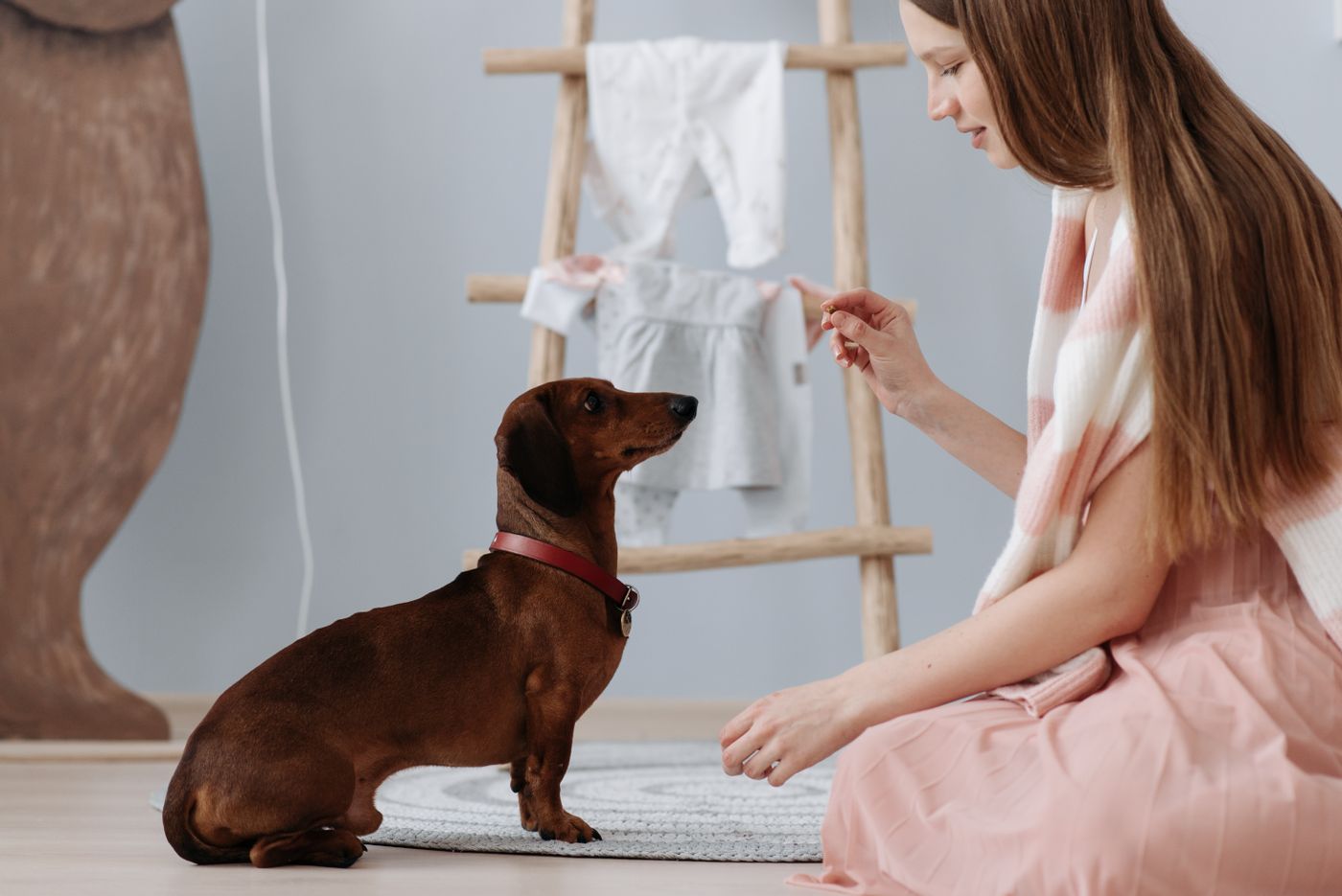
Watch for a glance away from the object, then mark and reward near you. At first, even a brief shift of attention counts. Keep the reward separate from the practice object so leaving does not simply become waiting to receive the same item. If your dog fixates or repeatedly tries to reach it, increase distance and reduce its interest. You do not need to provoke pawing or frustration before allowing the dog to succeed.
Name the action after it becomes familiar
When turning away is predictable, add your chosen cue just before that movement. Practice a small number of repetitions, then remove the object and finish. Introduce a different harmless item on another occasion while making the setup easier again. Keep the physical prevention in place. A cue still being learned should not be the only thing standing between the dog and an object you cannot afford them to pick up.
Transfer carefully to ordinary outings
Outside, give enough distance from an uninteresting object to practice a willing turn toward you. Continue walking away after rewarding instead of repeatedly circling back to challenge the dog. Around genuine hazards, manage the lead and route first. If your dog already has an item, that is a different situation from leaving something untouched; do not assume repeating “leave it” will make them release it. Teach safe exchanges separately and prevent access where possible.


