Plan the sleeping arrangements together
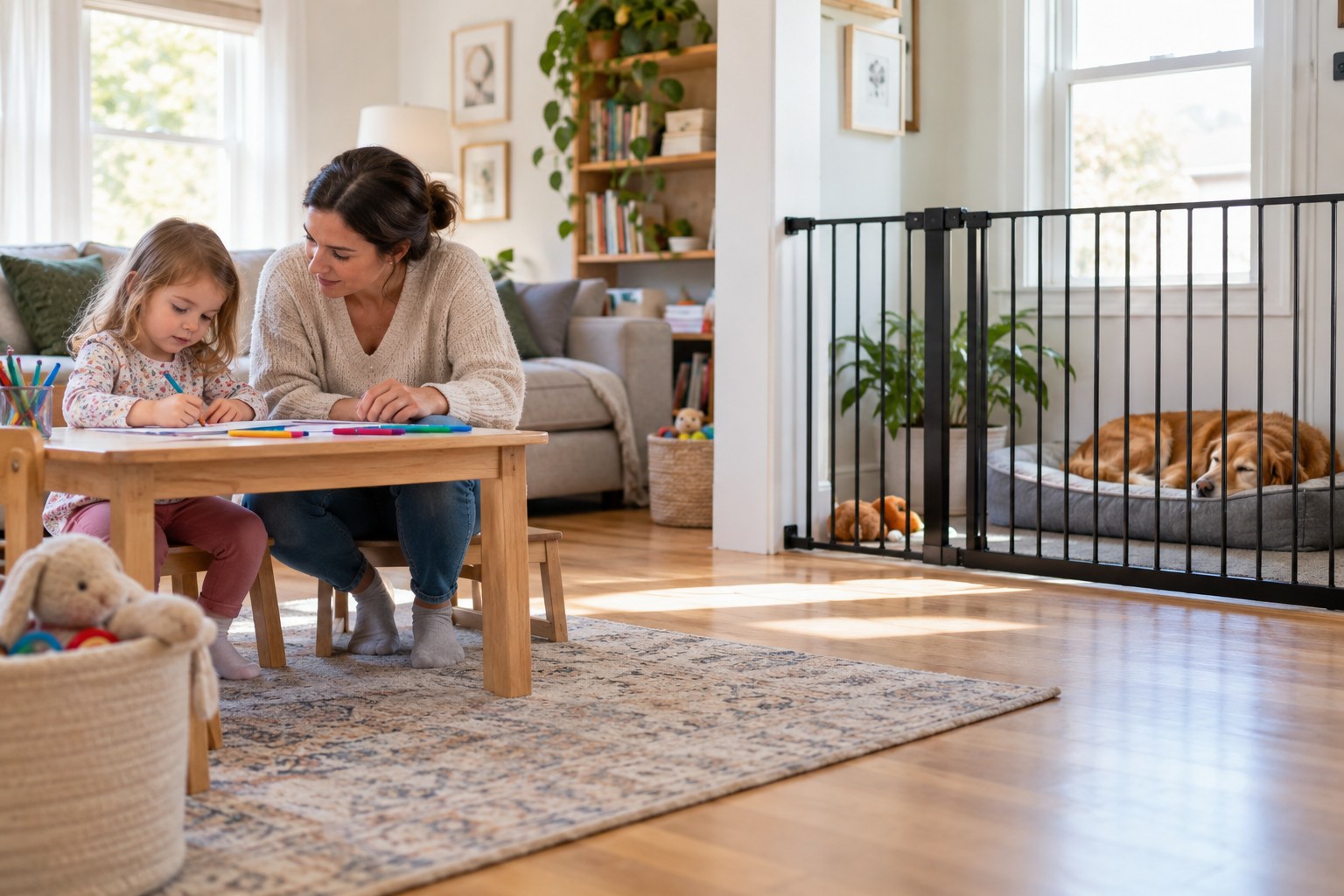
Before guests arrive, decide where their bags, bedding and shoes will go. Avoid using the dog's usual resting corner as overflow storage. If a room must change function, prepare another comfortable location in advance and let the dog become familiar with it while the home is still quiet.
Consider nighttime routes to bathrooms and outside doors. A guest walking through the dog's sleeping space may startle them or create an escape opportunity. Explain which doors must remain closed and where lights or slippers are available so people do not improvise in the dark.
Explain how to leave the dog alone
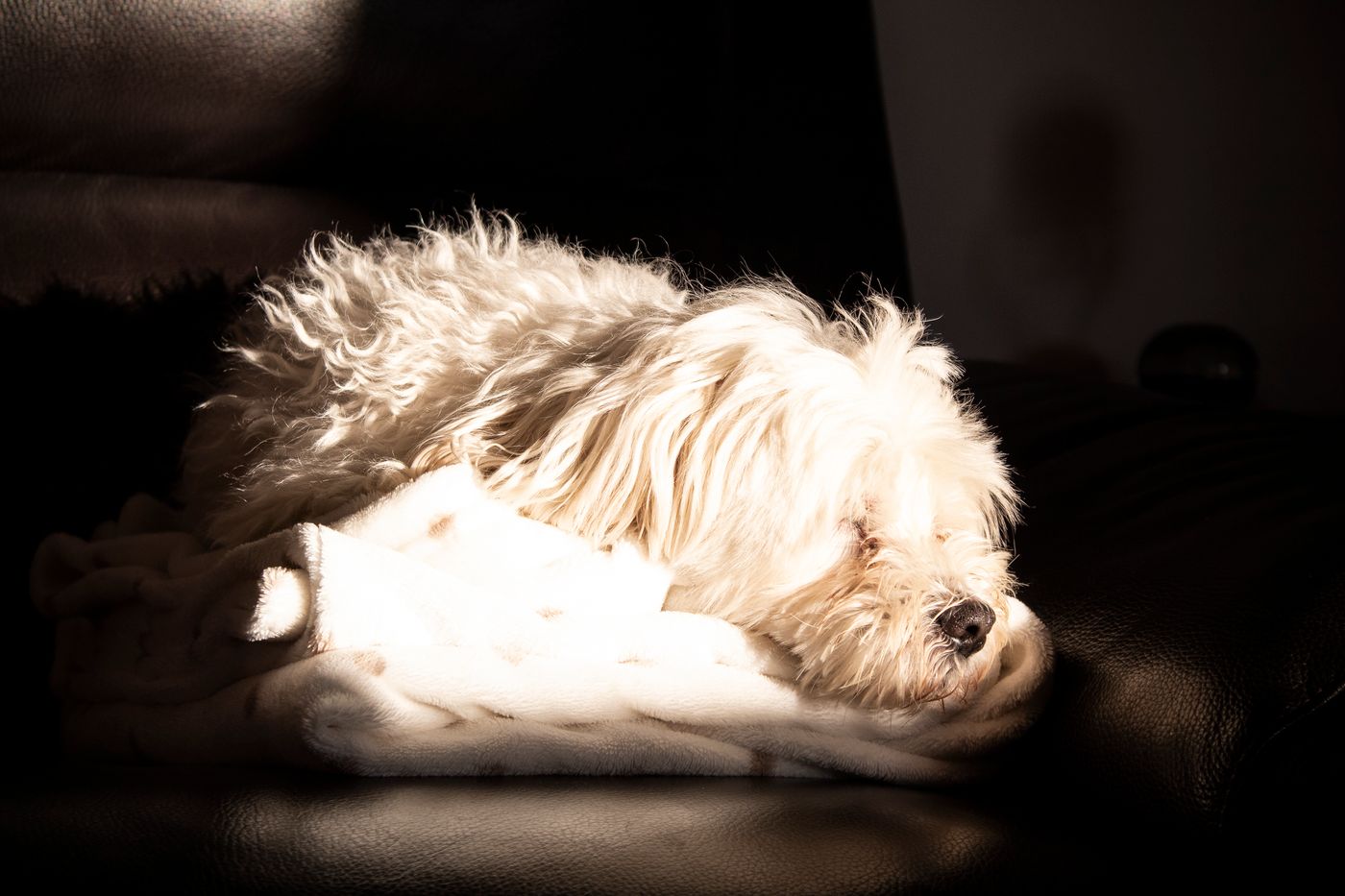
Tell guests that rest is protected even when the dog looks approachable. Ask them not to stroke a sleeping dog, lean over the bed or encourage children to join the dog there. Provide a separate place for social time so leaving the bed undisturbed does not feel like a rejection of the visitor.
Manage food and belongings as well. Suitcases can contain medicines, snacks or small objects, and temporary beds may bring loose cords into reach. Check the changed environment rather than assuming the usual household precautions still cover everything. Keep the dog out of unpacking activity if that makes supervision easier.
Keep the evening predictable
Preserve suitable toilet access, water and the broad bedtime sequence. If conversation continues late, move the gathering away from the rest area or reduce the noise. Do not repeatedly call the dog back to entertain guests after they have chosen to leave.
Watch how the arrangement works over the first night and adjust practical details promptly. A quieter route through the hallway or a moved bag may solve a problem without relocating the whole bed. If the dog is uncomfortable around guests, use appropriate separation and seek individual support when needed. Hosting should not require the dog to accept constant interaction simply because people are staying for several days.