Teach observation before interaction
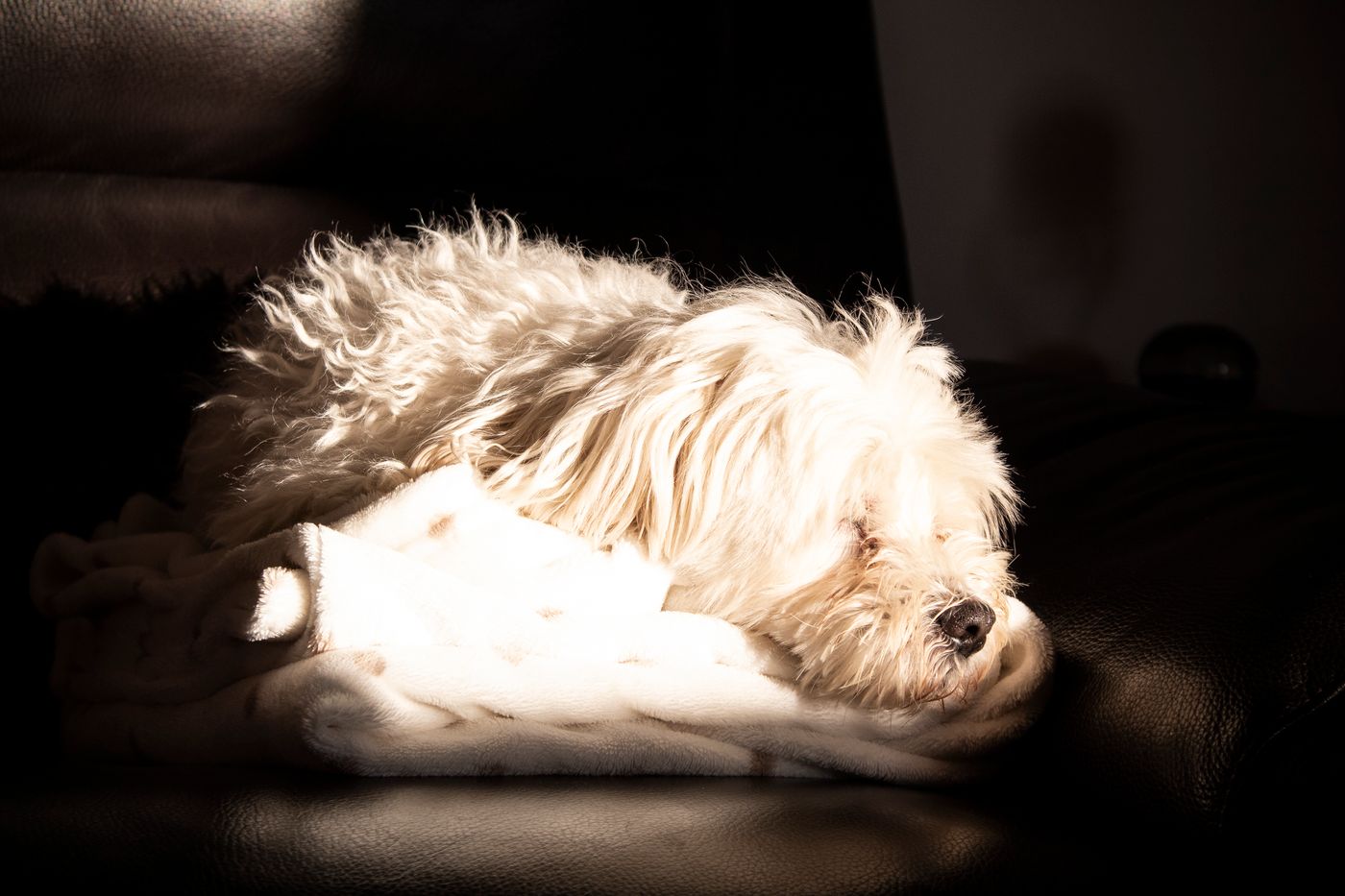
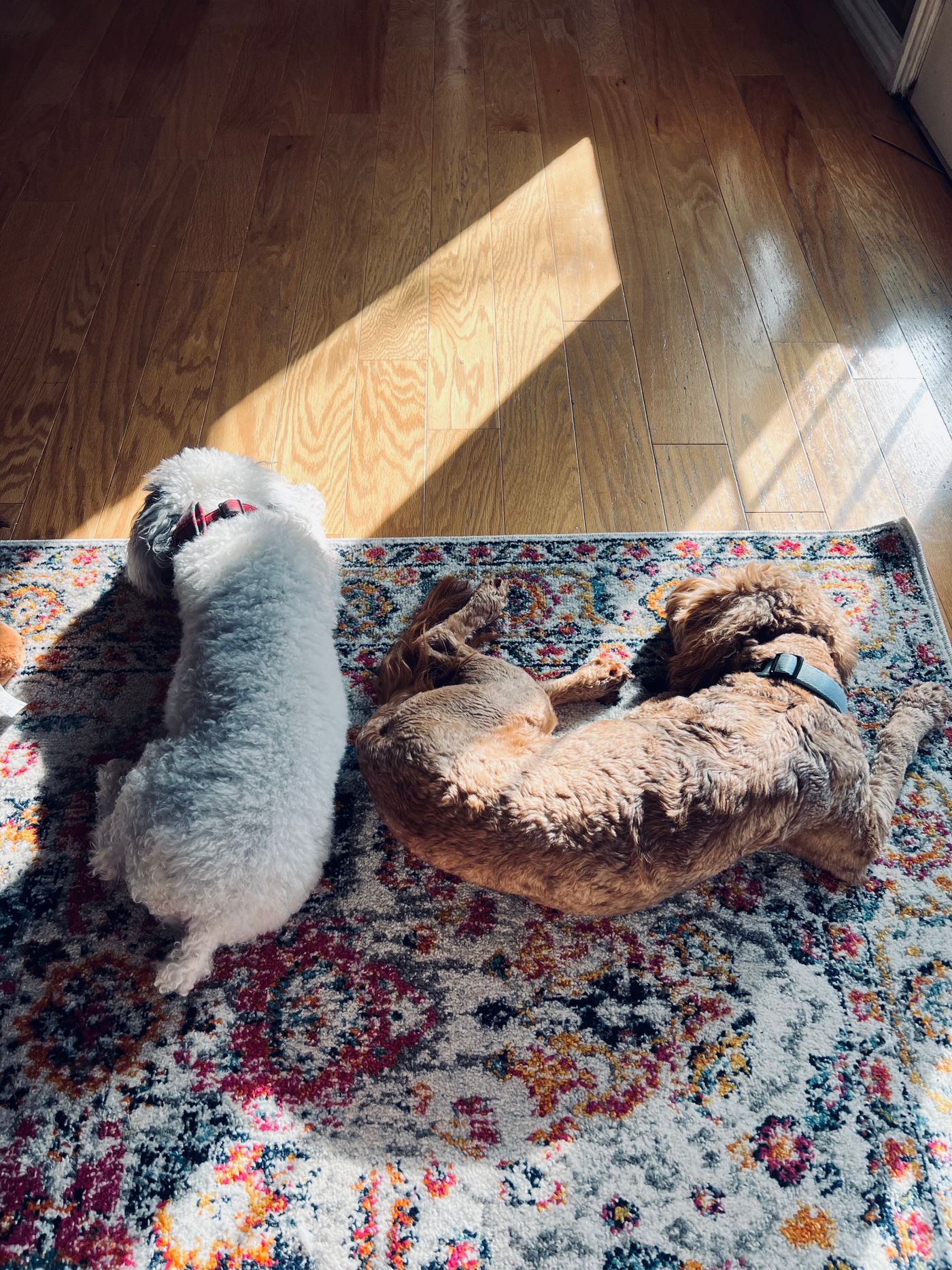
Invite a child to notice what the dog is doing from a comfortable distance. Is the dog asleep, eating, carrying something or moving away? These are useful moments to practise leaving the dog alone. The lesson is not to identify one perfect expression that guarantees a greeting is safe.
Use simple household language: “The dog is resting, so we will play over here.” Give the child another activity instead of repeatedly saying no while leaving them beside the bed. Adults can make the considerate choice visible by respecting the same boundary themselves.
Remove pressure from greetings
Do not encourage hugging, climbing on the dog, pulling fur or putting a face close to the dog’s face. A familiar family dog still needs space. If contact is appropriate, it should be brief, carefully supervised and easy for the dog to end. A dog moving away should not be followed for one more stroke.
Keep food, toys and sleeping places out of situations where a child may reach in unexpectedly. Avoid asking a young child to take an object from a dog or offer a treat as a solution to tense behaviour. An adult should handle the environment and arrange professional advice if there are concerns about guarding or aggression.
Plan for the moments supervision stops
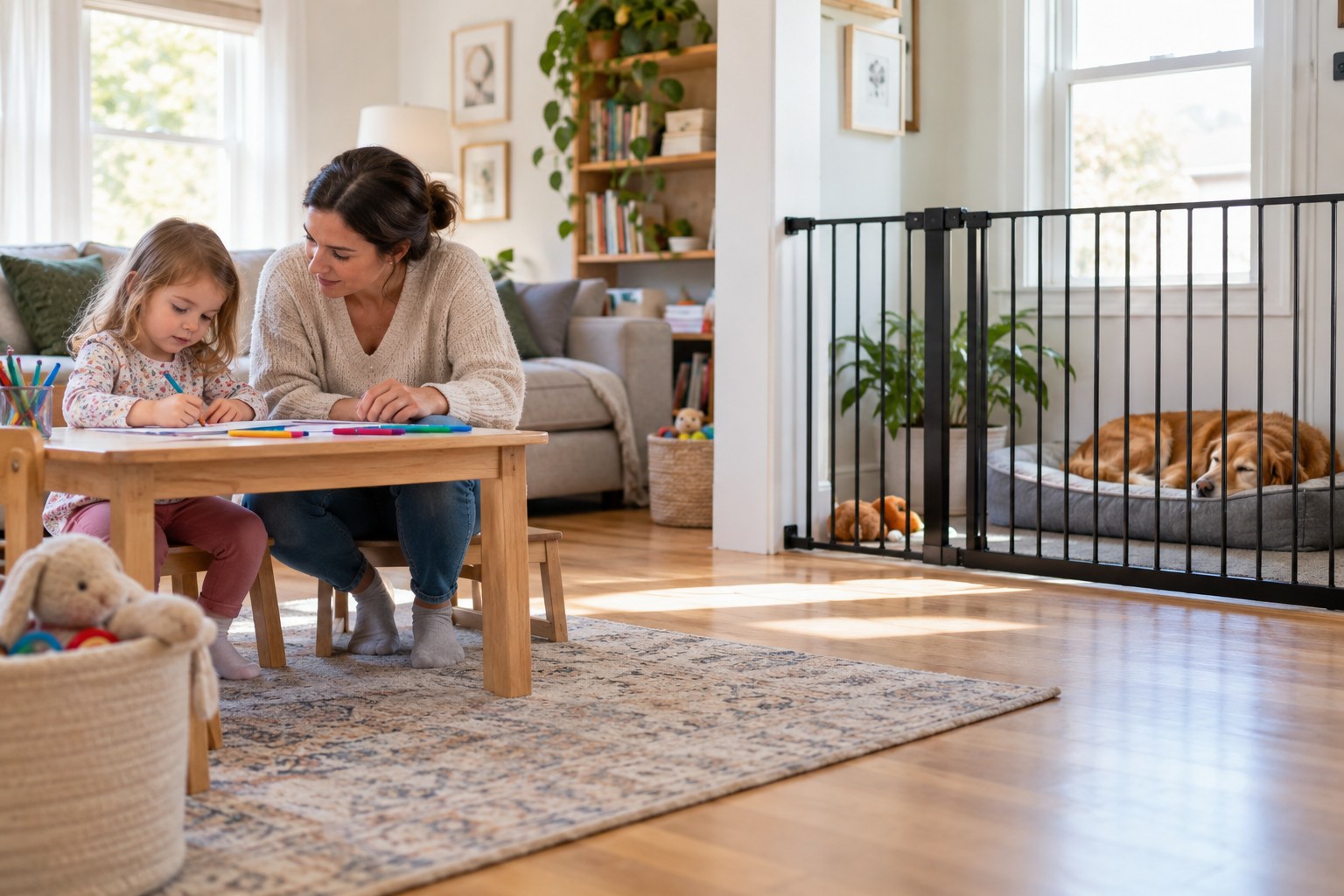
An adult answering the door or cooking cannot always give full attention to a dog-child interaction. Use secure physical separation before attention moves elsewhere. Make sure the dog has a comfortable area and the child has something suitable to do, rather than treating the barrier as a punishment for either one.
Tell visiting families how your arrangements work before children run into the room. If a guest cannot follow the boundaries, keep the dog comfortably separate. Never leave a child alone with a dog, including a dog they know well. Growing confidence should mean better adult planning and more considerate choices, not less supervision based on the dog’s reputation for being patient.