Plan the stop before the car is moving
Look for stopping places with a safe route from parking to an area where dogs are allowed. A large service station may have grass but require crossing several traffic lanes to reach it. Check the layout when information is available, and keep an alternative in mind in case the first stop is crowded or closed.
Fit breaks around the individual dog and the journey rather than treating a fixed interval as a guarantee of comfort. Puppies, older dogs and dogs with particular health needs may need different arrangements; ask your vet when unsure. Allow enough time in the schedule that a useful break does not feel like an inconvenience.
Unload with one clear responsibility
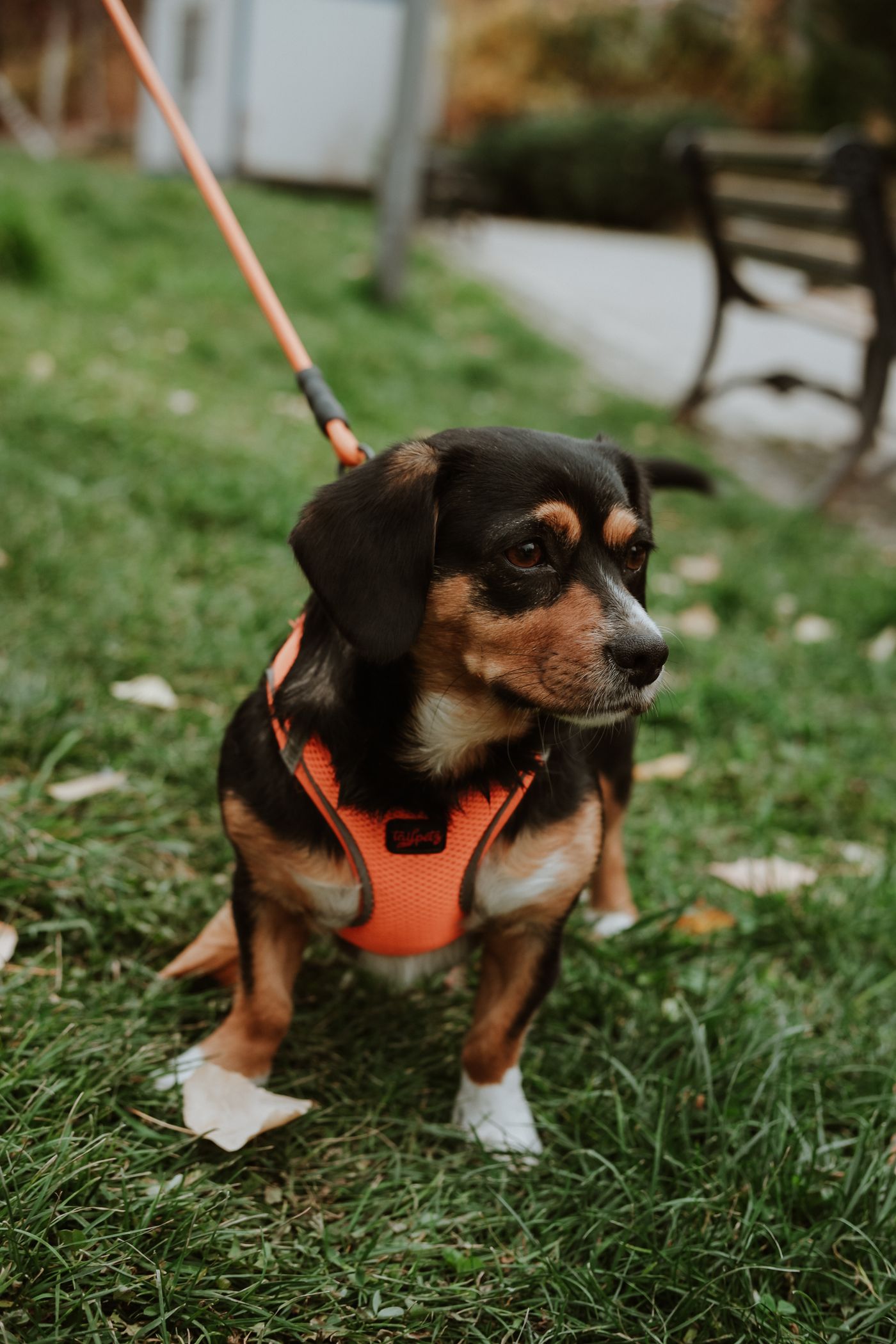
Park carefully and decide who handles the dog before anyone opens the relevant door. Have the lead ready and follow a controlled sequence for releasing the travel restraint. Keep the dog away from adjacent cars and reversing vehicles while you organise bowls or waste bags.
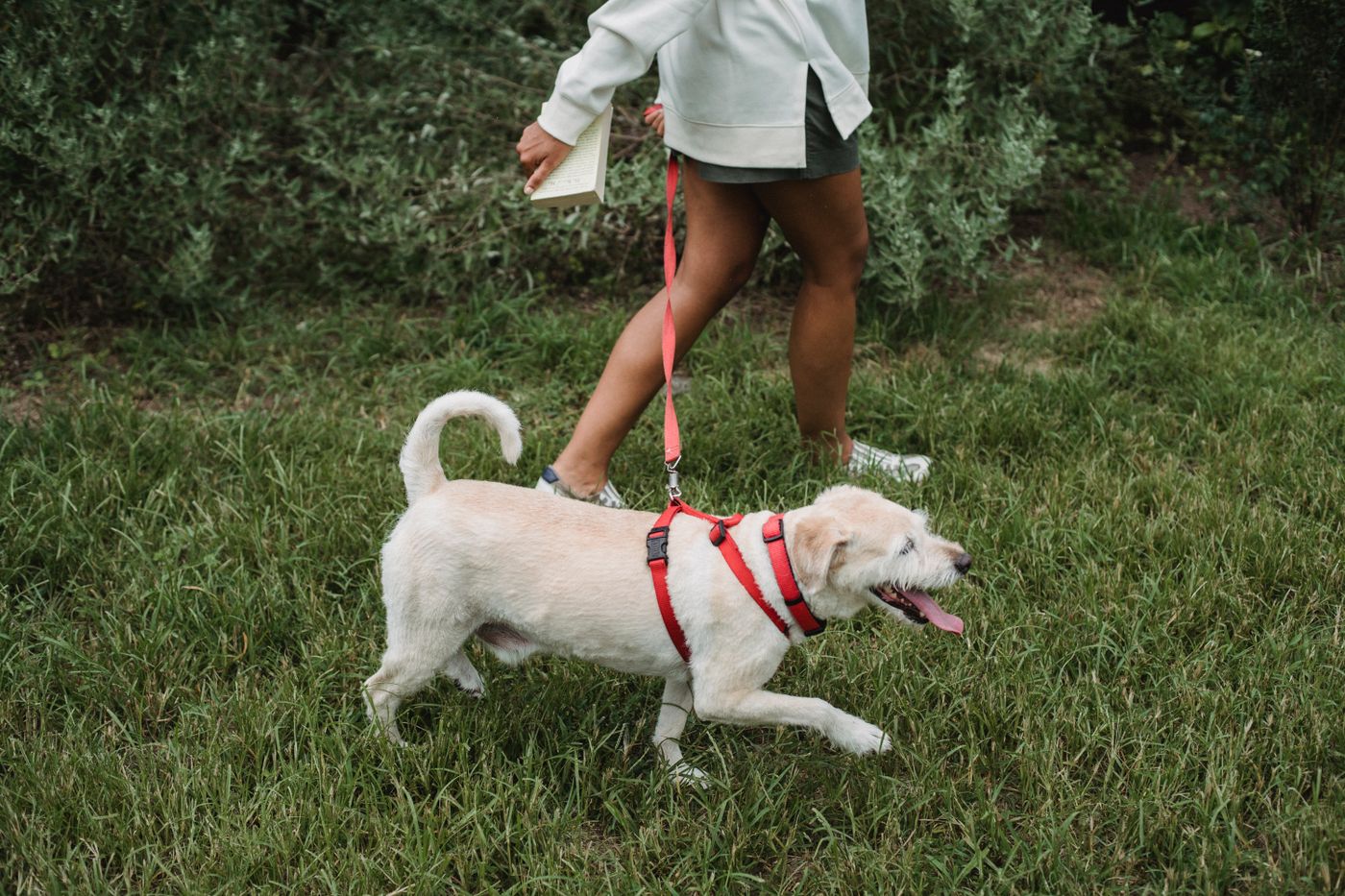
Walk to a suitable toilet area without turning the stop into a tour of the whole site. Offer fresh water and a quieter opportunity to pause. Clean up and keep clear of other travellers, including dogs that may also have had a tiring journey. A crowded pet exercise enclosure is optional, even when it is the most obvious facility.
Solve human errands without leaving the dog alone
If more than one adult is travelling, take turns using facilities while the other stays with the dog outside in a suitable place. Do not leave the dog unattended in the car while you shop or eat. When travelling alone, plan services and food around arrangements that allow continuous safe care.
Before departing, check the restraint again rather than assuming it is unchanged after the break. Put water and loose items securely away. If the dog is repeatedly unsettled or unwell during travel, reconsider the journey and seek veterinary advice. An extra stop can help with practical needs, but it is not a treatment for travel sickness or a reason to press on regardless.