Find the operator’s current requirements
Check whether dogs are accepted, which areas they can use and whether tickets, carriers, muzzles or other arrangements are required. Read the rules for the actual operator and route rather than assuming all buses or trains work alike. If a required piece of equipment is unfamiliar, introduce it comfortably before planning the journey.
Look at access as well as permission. Stairs, gaps, lifts and crowded gates may be the difficult part even when the vehicle itself is quiet. Choose an off-peak practice with an easy way to leave and avoid combining the first attempt with an appointment you cannot miss.
Begin outside the pressure of departure
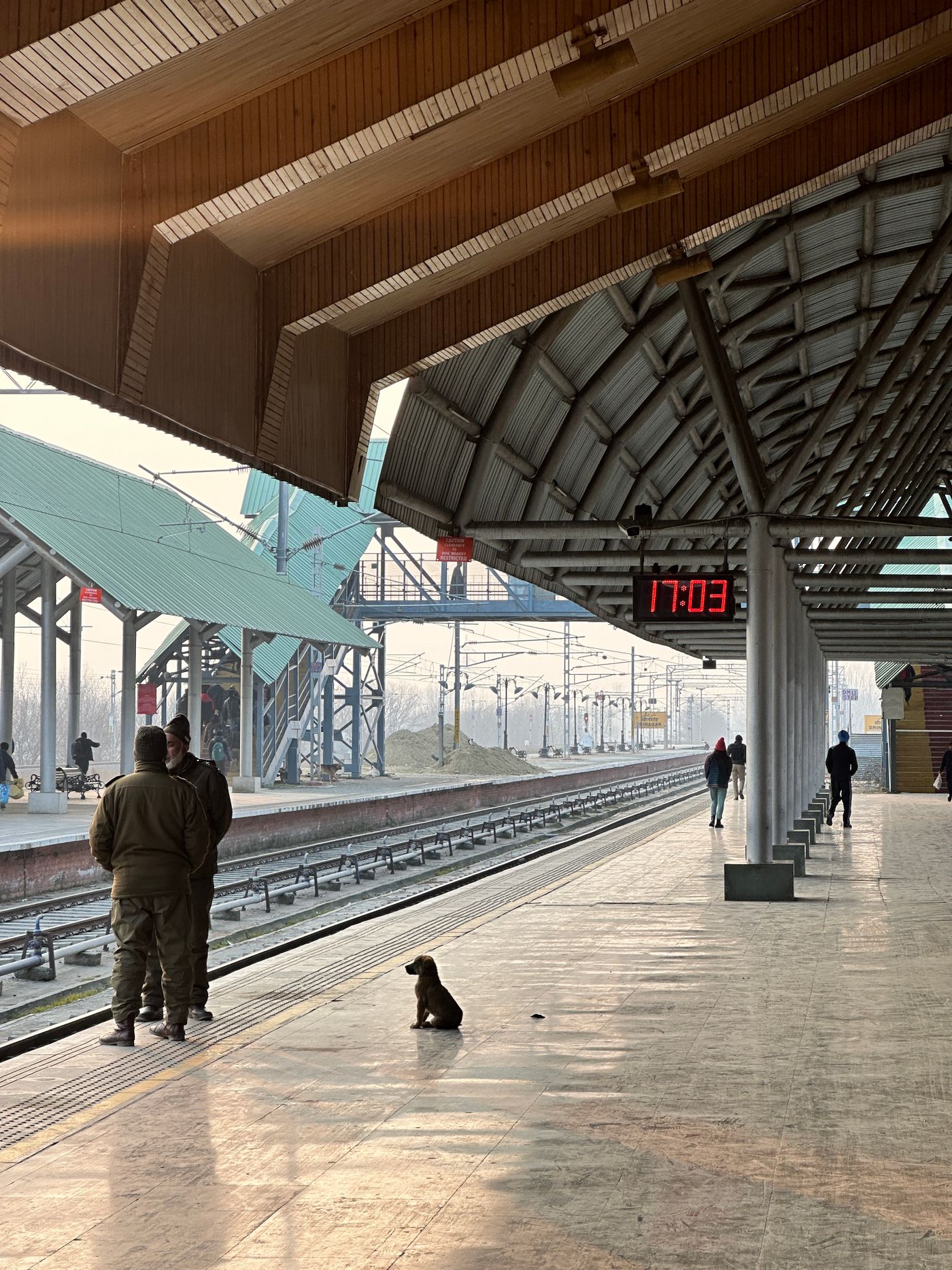
Walk near a suitable stop or station entrance at a distance your dog can manage. You may simply observe briefly and return home. Keep clear of boarding queues and platform edges, and do not use busy passenger space for repeated training exercises.
Reward voluntary attention or calm movement when appropriate. If your dog repeatedly tries to retreat, freezes or cannot recover from the activity, create distance rather than waiting for a vehicle to force the next step. A successful practice can end without boarding. Ask a qualified reward-based professional for help when transport causes persistent distress.
Choose a journey with a simple return
When a short ride is appropriate, select a route where you know how to get back if you leave early. Keep the lead or carrier secure, maintain space from doors and respect other passengers. Your dog should not block an aisle or be encouraged to greet someone who has not invited contact.
Check conditions again before boarding. A cancelled service may turn a planned quiet ride into a crowded one, and it is reasonable to abandon that attempt. Afterwards, note which transition was hardest: the approach, boarding, motion or disembarking. Practise the relevant part next time rather than automatically increasing the number of stops travelled.