Choose a safe, familiar position
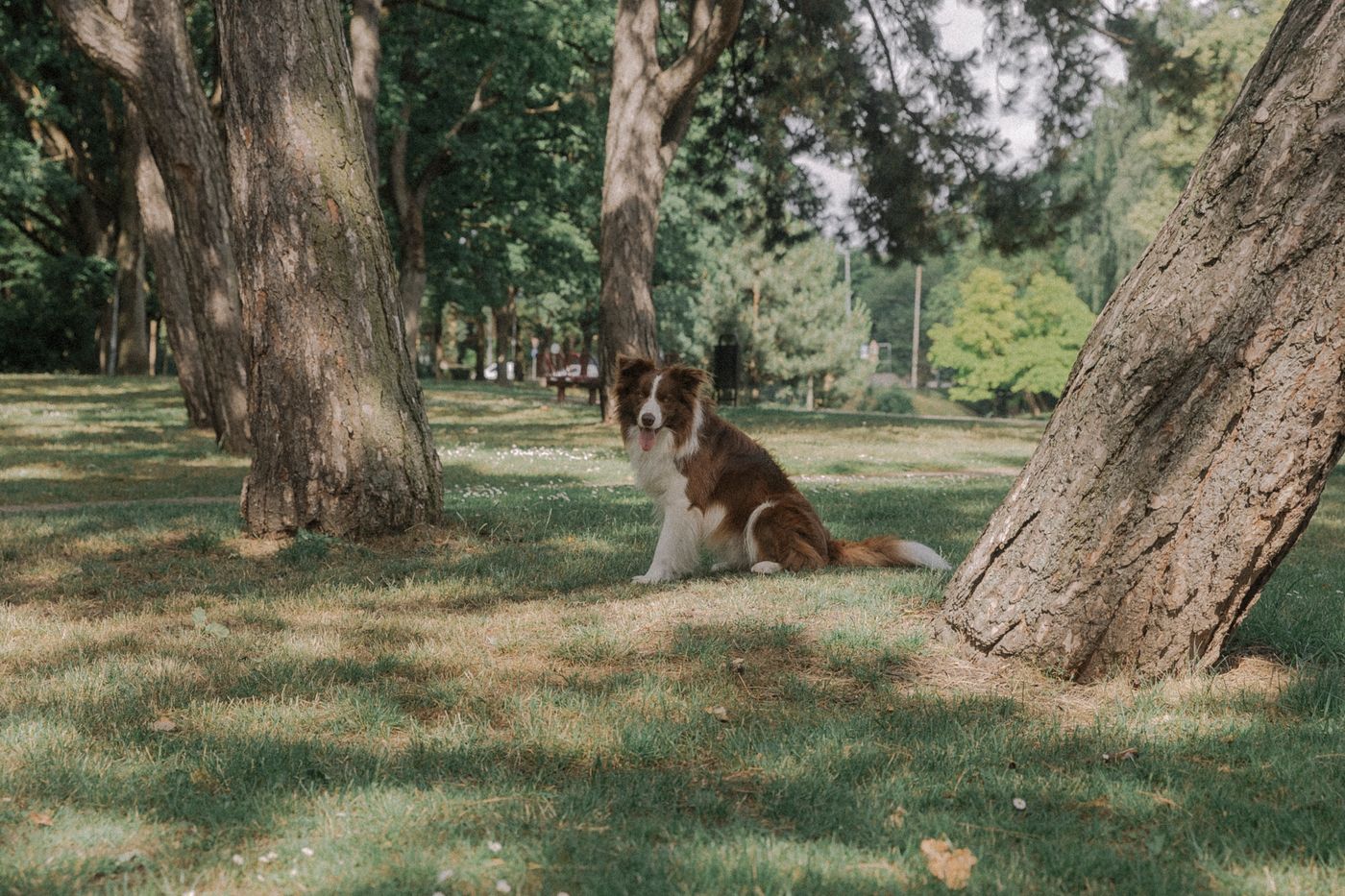
Work at ground level on a stable surface with room for the dog to leave. Avoid placing the dog on walls, rocks, furniture edges or unfamiliar equipment solely for a better background. Keep necessary leads or restraints in place; a visible lead is preferable to an unsafe photograph.
Look at the background before asking your dog for anything. Moving yourself a little may remove a distracting bin or put a quieter area behind the dog. You can often improve the picture by changing the camera position rather than repeatedly moving or physically arranging the animal.
Keep the request easy and voluntary
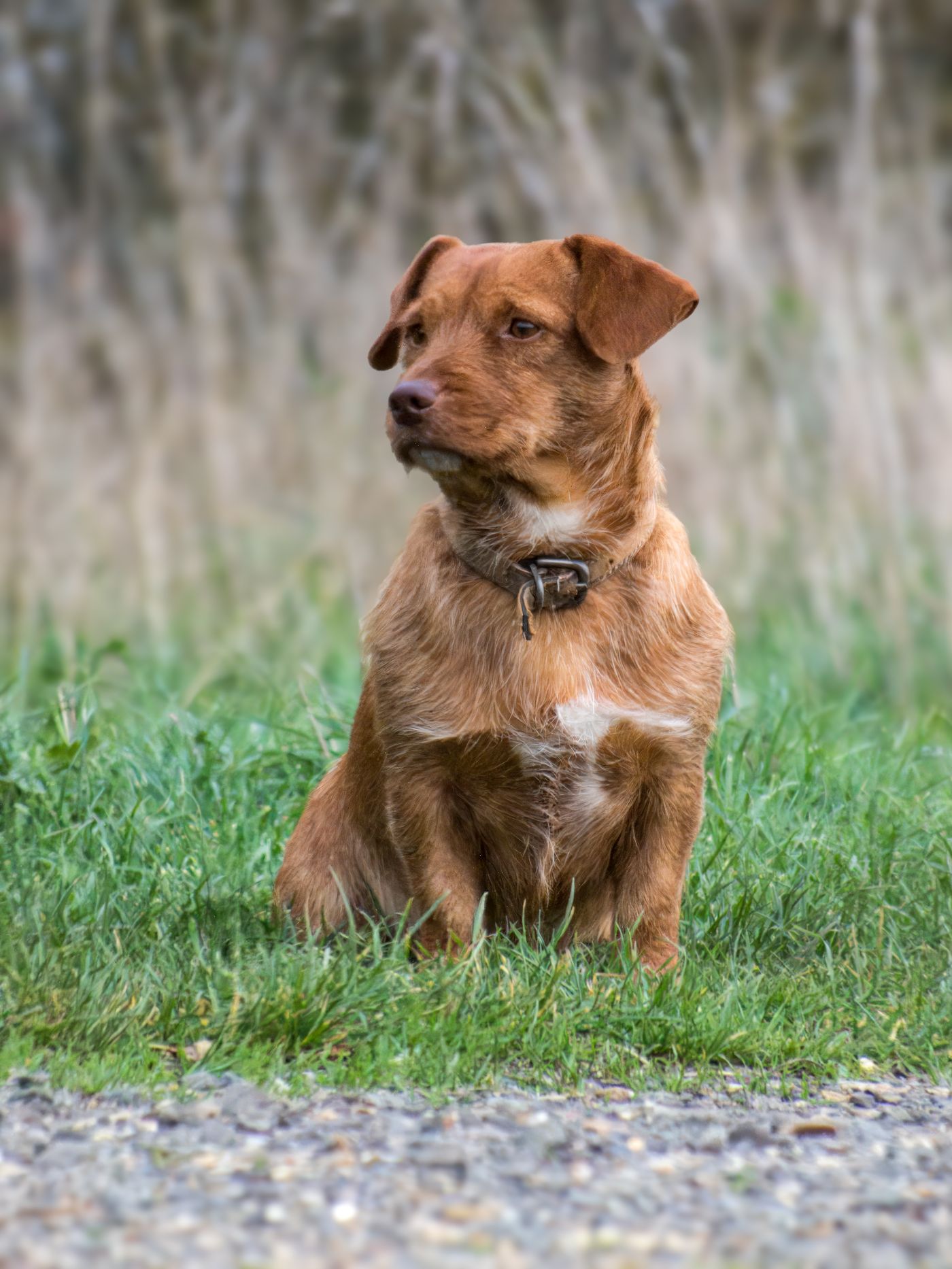
Use a familiar cue only if your dog already understands it comfortably. Take a few photographs, reward appropriately and allow a break. Do not keep raising the criteria because the ears, gaze or paws are not arranged exactly as you imagined. A dog looking away may still make a useful photograph.
If another person helps, agree who handles the dog and who takes the picture. Avoid several people calling at once or waving food over the camera while nobody watches the surrounding path. Keep props out of reach unless they are suitable for the dog, and stop when the dog tries to leave or becomes uncomfortable.
Let the setting supply the story
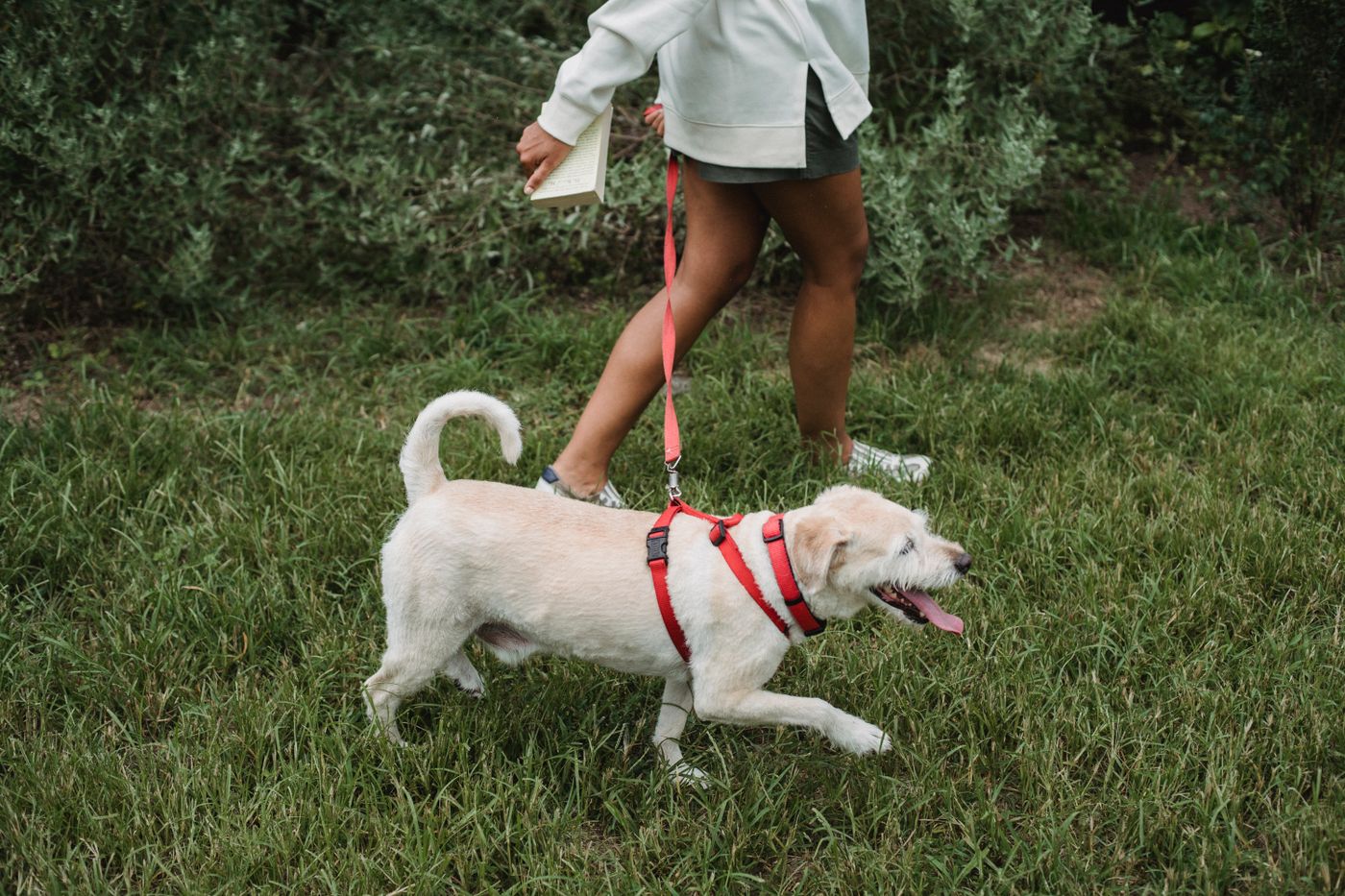
Photograph a familiar rest spot, an unhurried walk or a supervised game rather than inventing an elaborate pose. Natural changes in position create variety without requiring prolonged stillness. Keep other visitors’ space clear and do not block a narrow path to wait for the perfect expression.
Review your images after the dog is free to return to the activity. This prevents repeated extra attempts simply because you are checking every frame. If you did not get the picture, try another day in easier conditions. A photograph that shows your dog’s ordinary comfort is more useful than an impressive setting reached through pressure, repeated restraint or risk.