Picture the whole visit
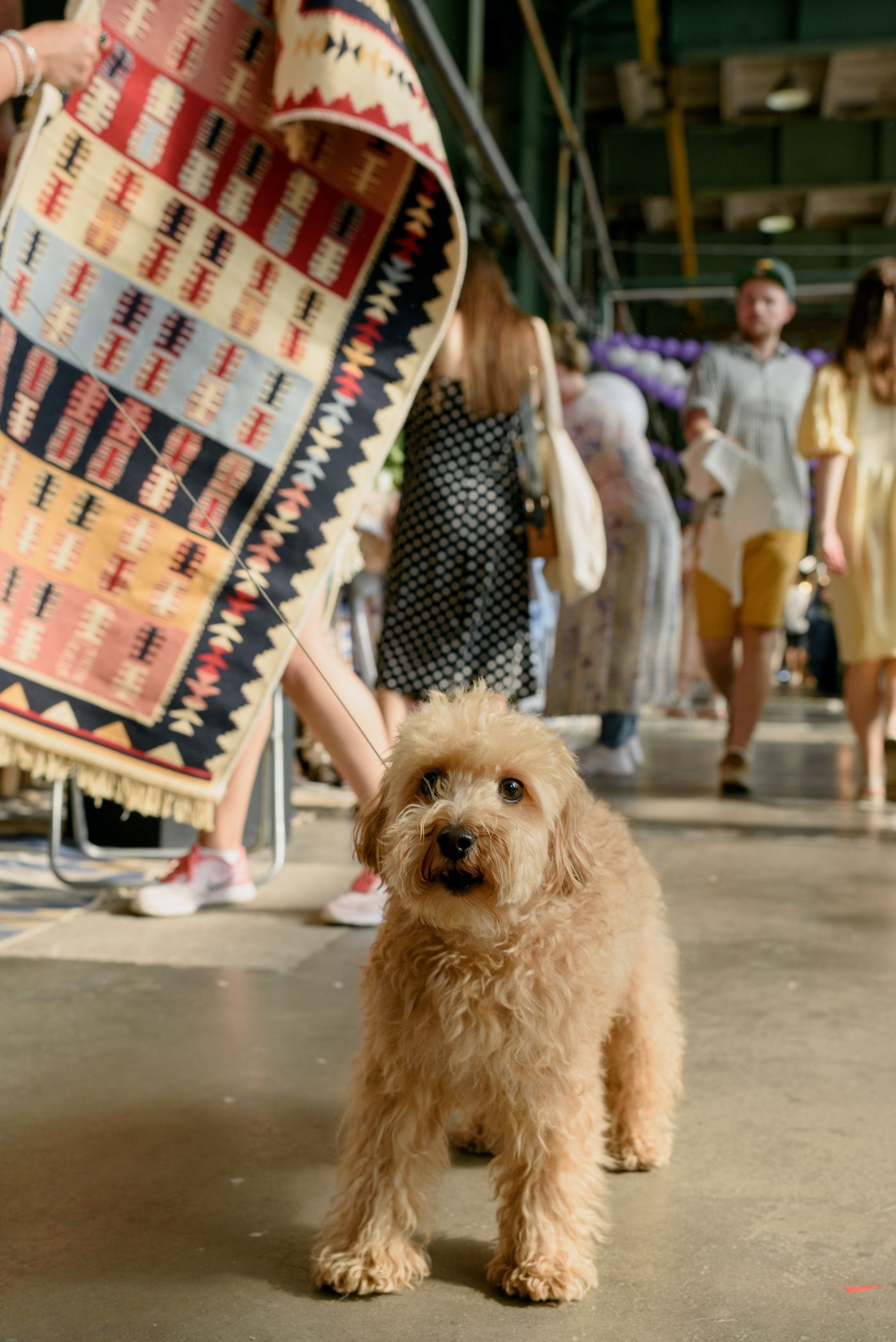
Consider the queue, entrance, loudspeakers, food stalls and journey home as well as the attractive part of the event. A dog may cope with an open field but struggle in the tight arrival line. Look for current dog-access rules, shade, water arrangements and an exit that does not require pushing through the busiest area.
Ask yourself who will be watching the dog while you shop, meet friends or supervise children. If everyone’s attention is committed elsewhere, bringing the dog adds a responsibility without a clear carer. A dog-friendly advertisement does not supply that person for you.
Use past comfort as information
Think about how your dog handles similar noise, proximity and movement in less demanding places. This is not a reason to test the dog in progressively bigger crowds without support. If ordinary busy streets are already difficult, an event is unlikely to be a useful first teaching session.
Staying home can be a thoughtful choice when suitable care and a familiar routine are available. Arrange that care realistically; leaving a dog distressed alone is not a good alternative to a stressful outing. Another person may be able to stay with the dog, or you may choose an event at a different time.
Keep attendance easy to shorten
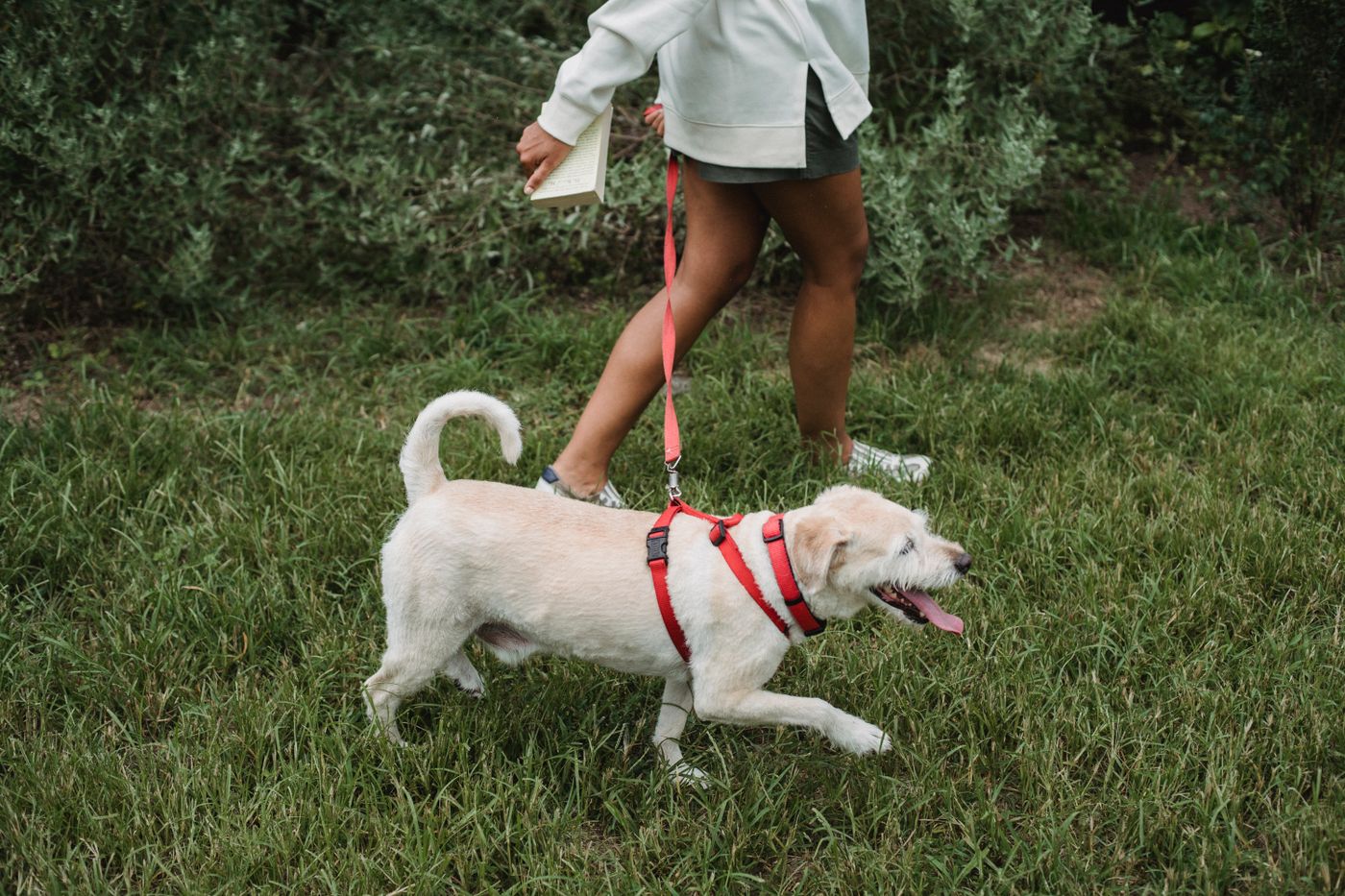
If the event appears suitable, make an early, brief visit with a clear route out. Take water and manage the lead so it cannot trip people. Avoid allowing a stream of strangers to touch the dog, and do not place the dog beside speakers or in a confined queue to obtain a photograph.
Leave when the environment or your dog’s comfort changes. You do not need to stay until there is barking or an obvious incident to justify departure. Note which parts were manageable and which were not. The useful outcome is a sensible decision about future visits, not proof that your dog can tolerate every social plan you enjoy.