
Choose a modest change of scenery
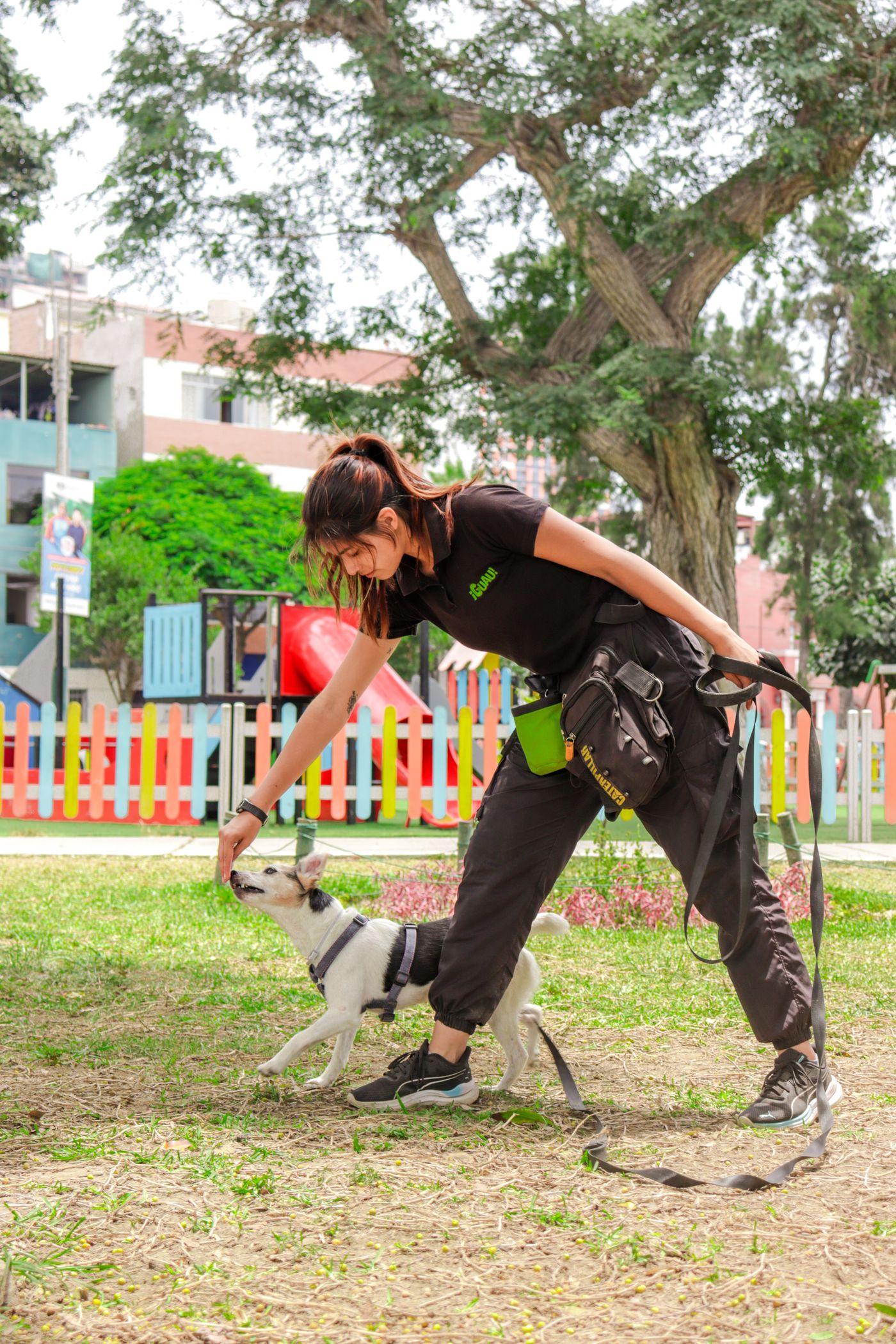
Move from the kitchen to another quiet room before trying the busiest park entrance. Keep useful elements familiar, such as the same mat, marker and suitable rewards. Give your dog time to look and sniff before beginning. Training immediately after arriving can ask for attention before the surroundings make sense. Pick a position with safe footing and enough distance from movement that your dog can comfortably engage with you.
Return to the easiest successful version
If your dog can stay while you take several steps indoors, ask for a brief pause close beside you in the new location. Reward that simple success. For a hand target, present your palm nearby rather than expecting a long approach. Reducing the task is a deliberate teaching choice, not a loss of progress. It allows the dog to connect the familiar action with the changed surroundings without competing demands arriving all at once.
Separate learning from coping
Notice whether the dog can explore, respond and take a suitable reward comfortably. Persistent scanning, attempts to leave or difficulty disengaging may mean the setting needs more space or a quieter time. Do not use increasingly insistent cues to keep the dog facing you while something worries them. Move to an easier area or end the session. A new environment can be worth visiting briefly without adding formal training on that occasion.
Build a useful range of ordinary locations
Practice short easy versions in several manageable places over time. Record the context rather than simply ticking a skill as “finished”: quiet garden, empty path and busy pavement are different experiences. Add one new challenge at a time and revisit familiar settings between them. Keep safety equipment and barriers appropriate regardless of indoor reliability. The aim is a dog who understands the cue in varied real situations, supported by a handler who notices when the task needs adjusting.


