Observe an ordinary moment
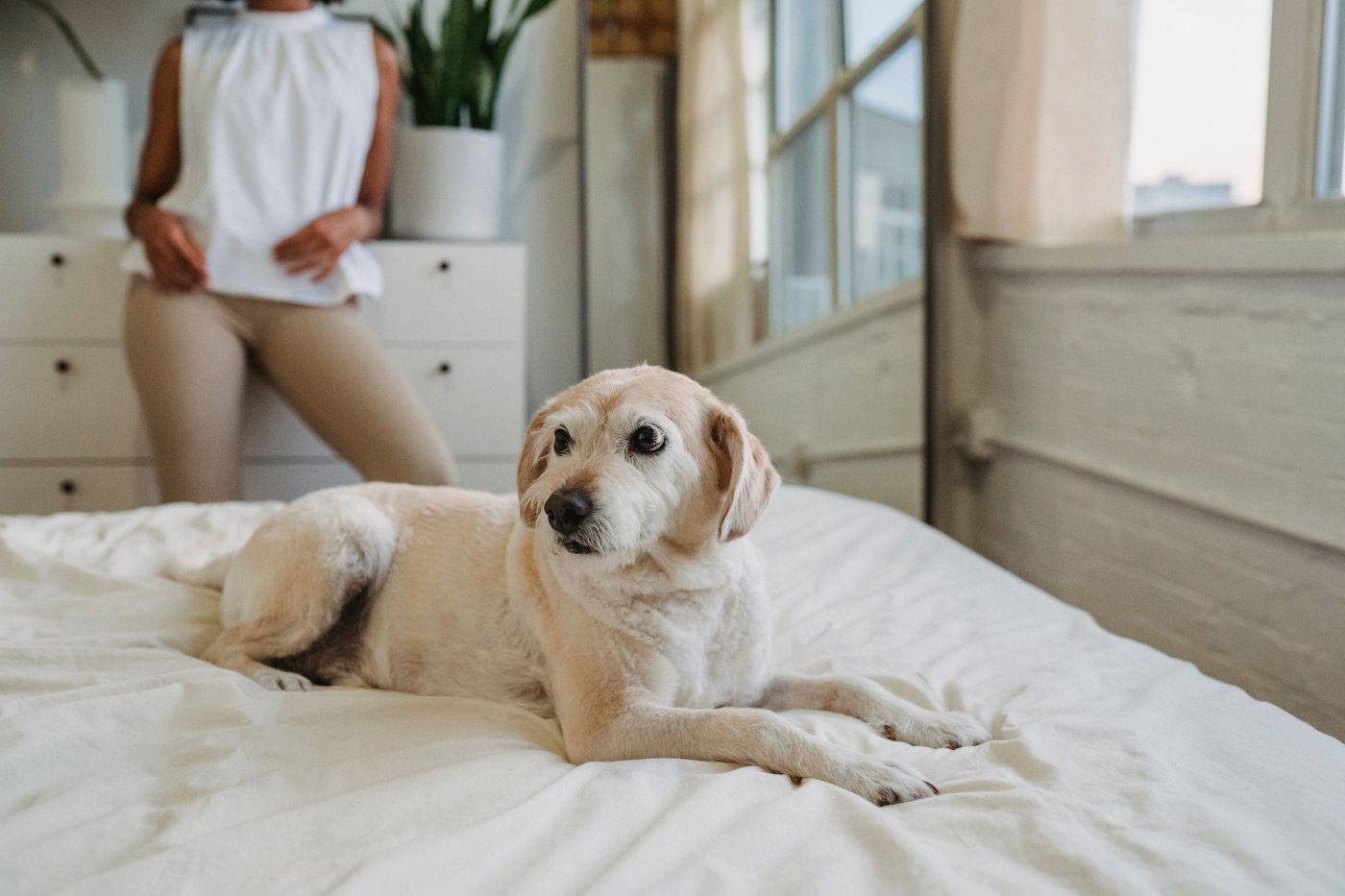
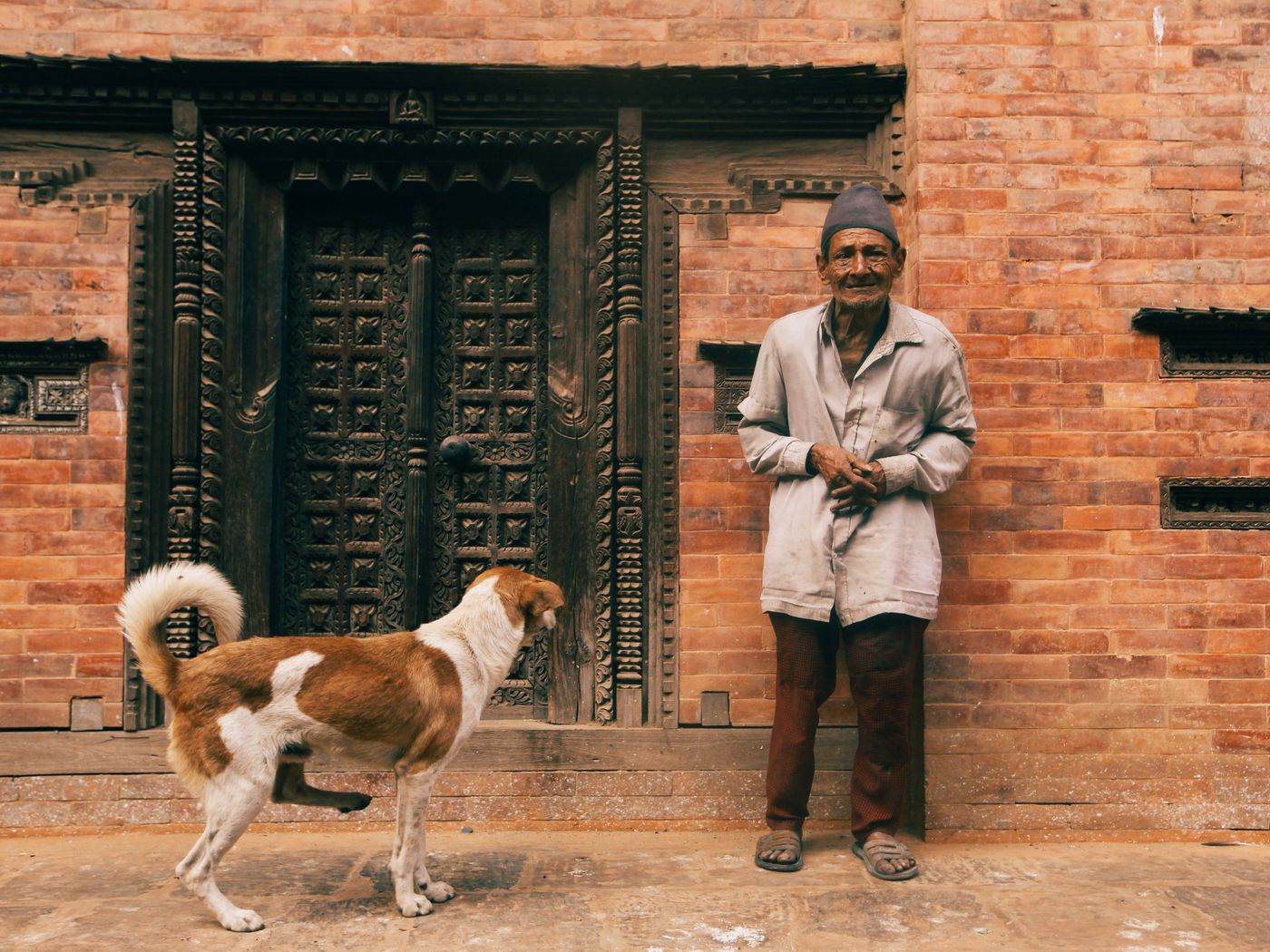
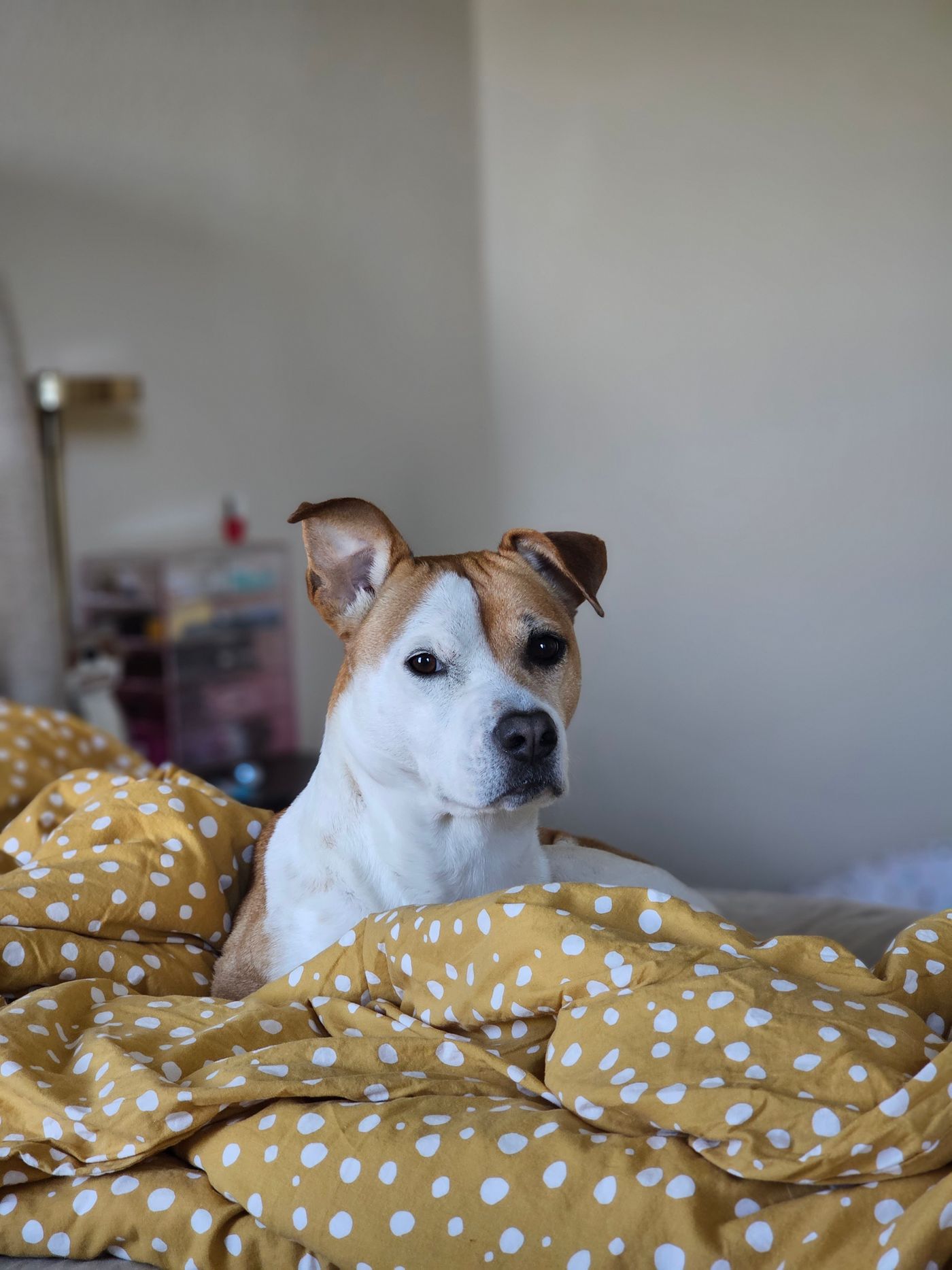
Choose a quiet period when nobody is asking the dog to perform. Notice where they lie, which routes they take through the room and how close they choose to be to people. Keep your own activity normal. Watching does not require staring continuously or following the dog from place to place.
Record what you can actually see. Dog moved to the hallway when the vacuum started is more useful than dog hates cleaning. The first description identifies a sound and a choice; the second turns one event into a broad conclusion. Include what was happening around the dog so the observation retains its context.
Offer safe alternatives
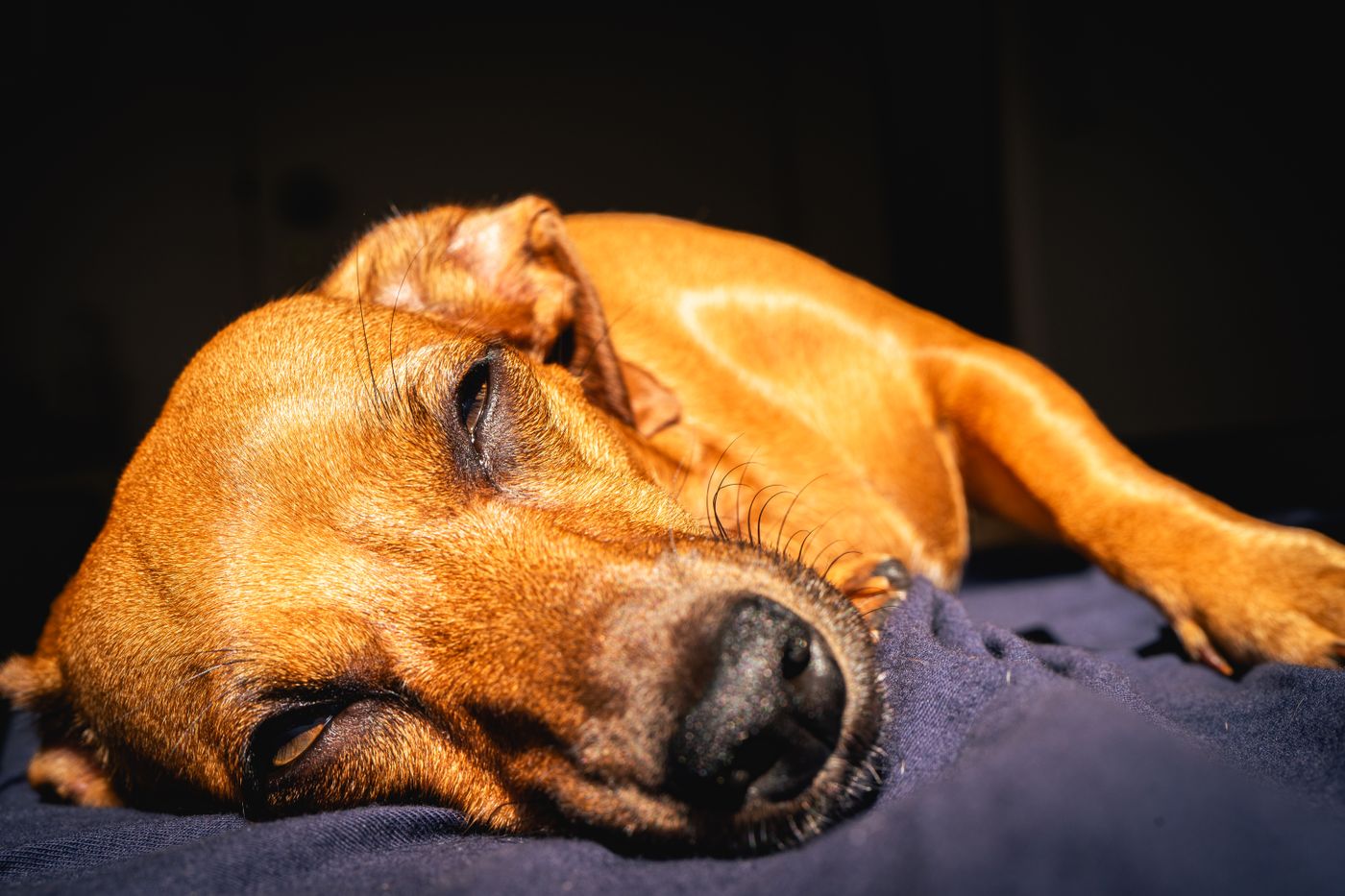
You might provide two suitable resting surfaces in different quiet locations, then see which is used at different times. Check warmth, light and traffic before interpreting the choice. A dog selecting a cool floor at midday may choose padded bedding later without being inconsistent.
Allow approach and retreat during social contact. Pause after a brief gentle interaction and notice whether the dog remains close, moves away or seeks more. Do not hold them in place to see how much they tolerate. Choosing distance is useful information that can help you make the next interaction easier.
Avoid experiments that create a problem
Do not take away food, corner the dog or arrange an intense greeting to discover whether they react. Those situations can create fear and risk without providing a useful picture of ordinary behaviour. Manage meals and rest respectfully from the beginning, even if you have not seen any difficulty.
Share a few factual observations with other carers so they can repeat helpful arrangements. If something concerns you, describe the circumstances to a veterinarian or qualified behaviour professional rather than staging it again for a better demonstration. A new dog's behaviour can change as the setting becomes familiar. Keep curiosity open, avoid fixed labels and use observations to improve daily comfort rather than to rank personality traits.