Make space physically possible
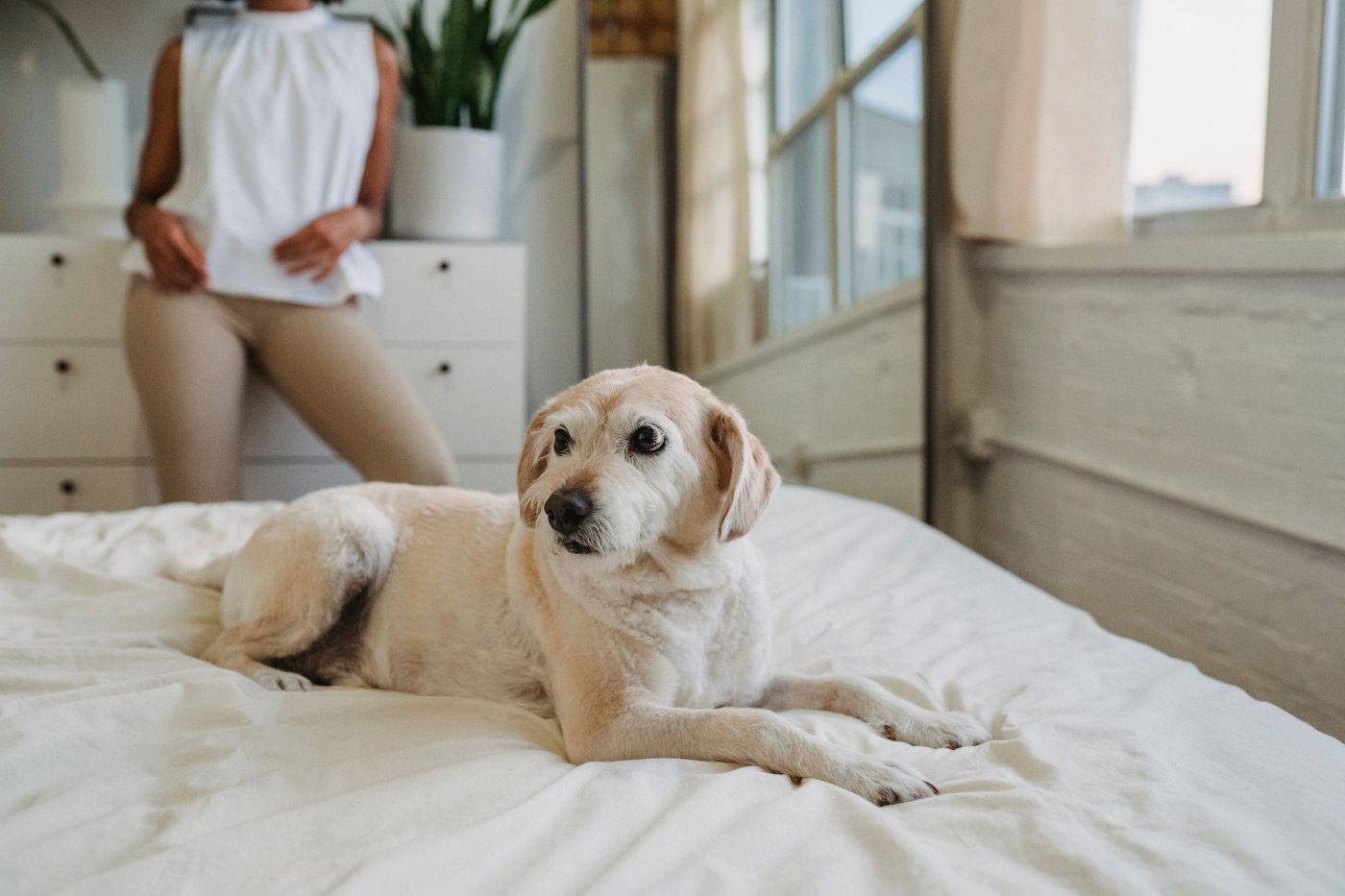
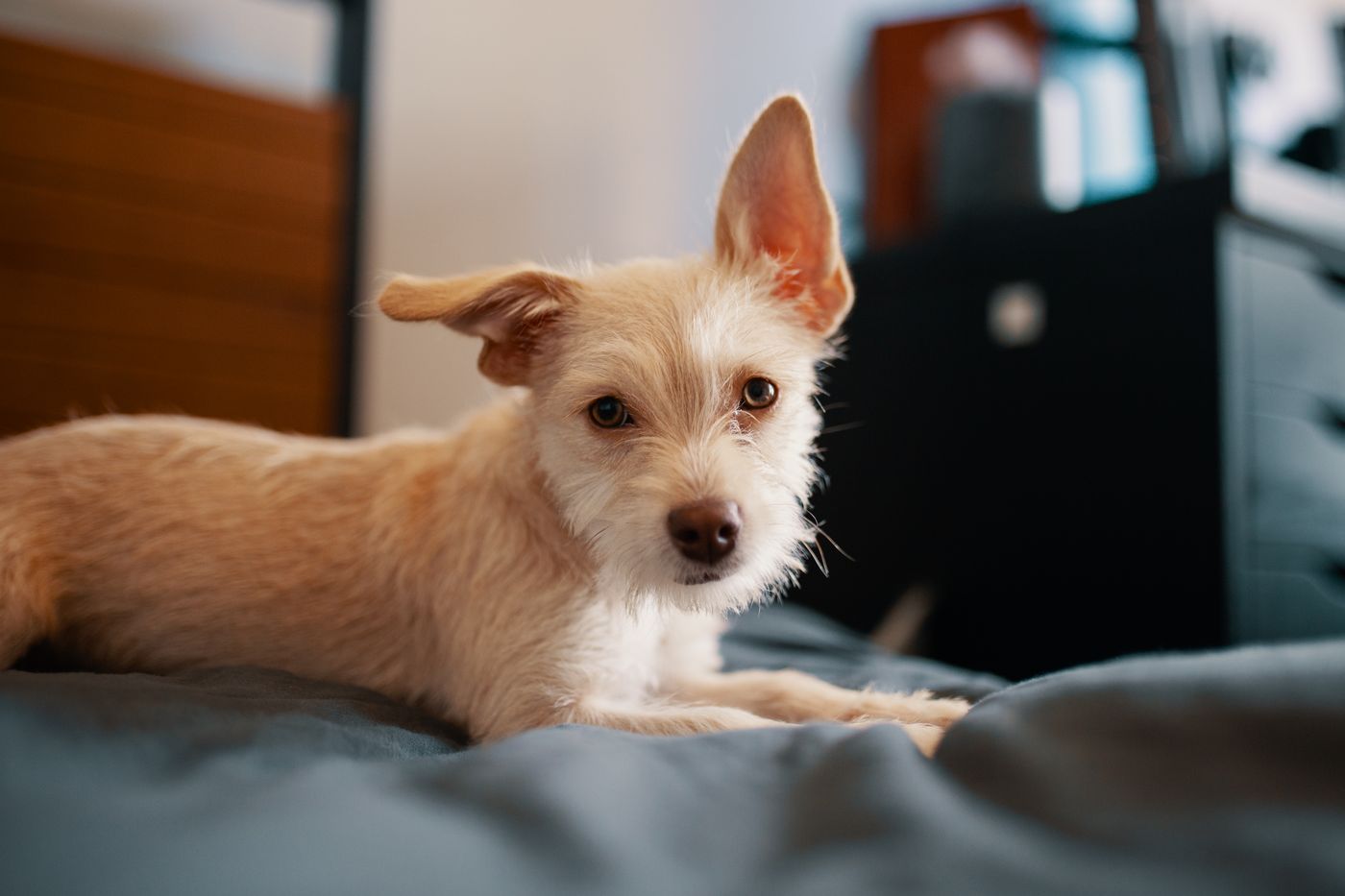
Arrange the room so the dog has a route away from people and an undisturbed resting place. Avoid sitting across the only exit or reaching into a hiding spot. If you need to pass, move calmly and give as much room as the setting allows. A dog watching from beside a sofa may be gathering information, not asking to be brought into the centre of the room.
Reduce the number of people trying to interact. One quiet adult doing an ordinary activity is often easier to understand than several people crouching, calling and offering hands. Let visitors know in advance that they should not attempt to win the dog over.
Let an approach remain an approach
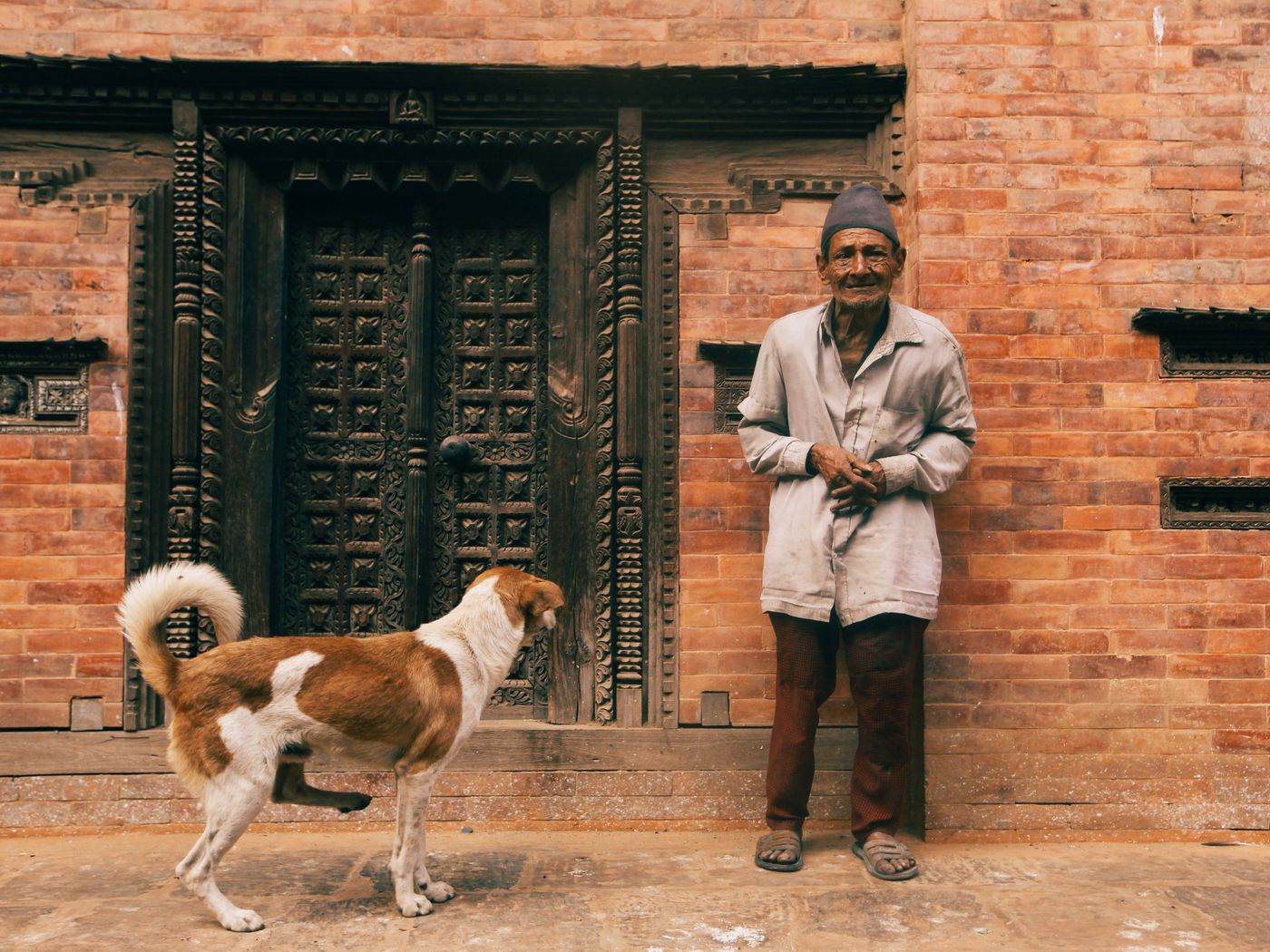
Sit or stand at an angle rather than leaning directly over the dog. Keep movements predictable and allow investigation without immediately touching. A brief sniff near your shoe does not necessarily mean the dog wants stroking. Pause and observe whether they remain, move away or seek another kind of interaction.
If suitable food is useful, place it where the dog can collect it without coming closer than they want. Do not lure them into contact and then reach for their collar. That changes an apparently safe choice into an unpleasant surprise. Respect retreat just as readily as approach.
Measure comfort in ordinary moments
Notice whether the dog rests, drinks or moves around more freely when the room becomes quiet. These small changes can tell you more than whether they accept a hand on their head. Keep notes about conditions that help, such as fewer footsteps near the bed or a chair positioned farther away.
Do not stage tests with unfamiliar people or objects to discover the limits of their fear. If daily care is difficult or distress persists, ask the rescue, veterinarian or a qualified reward-based behaviour professional for individual support. Progress may be uneven across rooms and people. A comfortable relationship develops through repeated predictable experiences, not a deadline for physical affection.