Find out what is already familiar
Ask the previous carer which name the dog hears and how it is normally used. A dog may recognise a nickname more readily than the name written on paperwork. Start in a quiet room where there is little competition for attention, and prepare a few suitable rewards before calling.
If you are changing the name, introduce the new word through pleasant, easy interactions. You do not need to repeat it continuously throughout the day. Consistent, meaningful use is more informative than volume. Agree on the same pronunciation among the people doing the first practice sessions.
Reward a small response
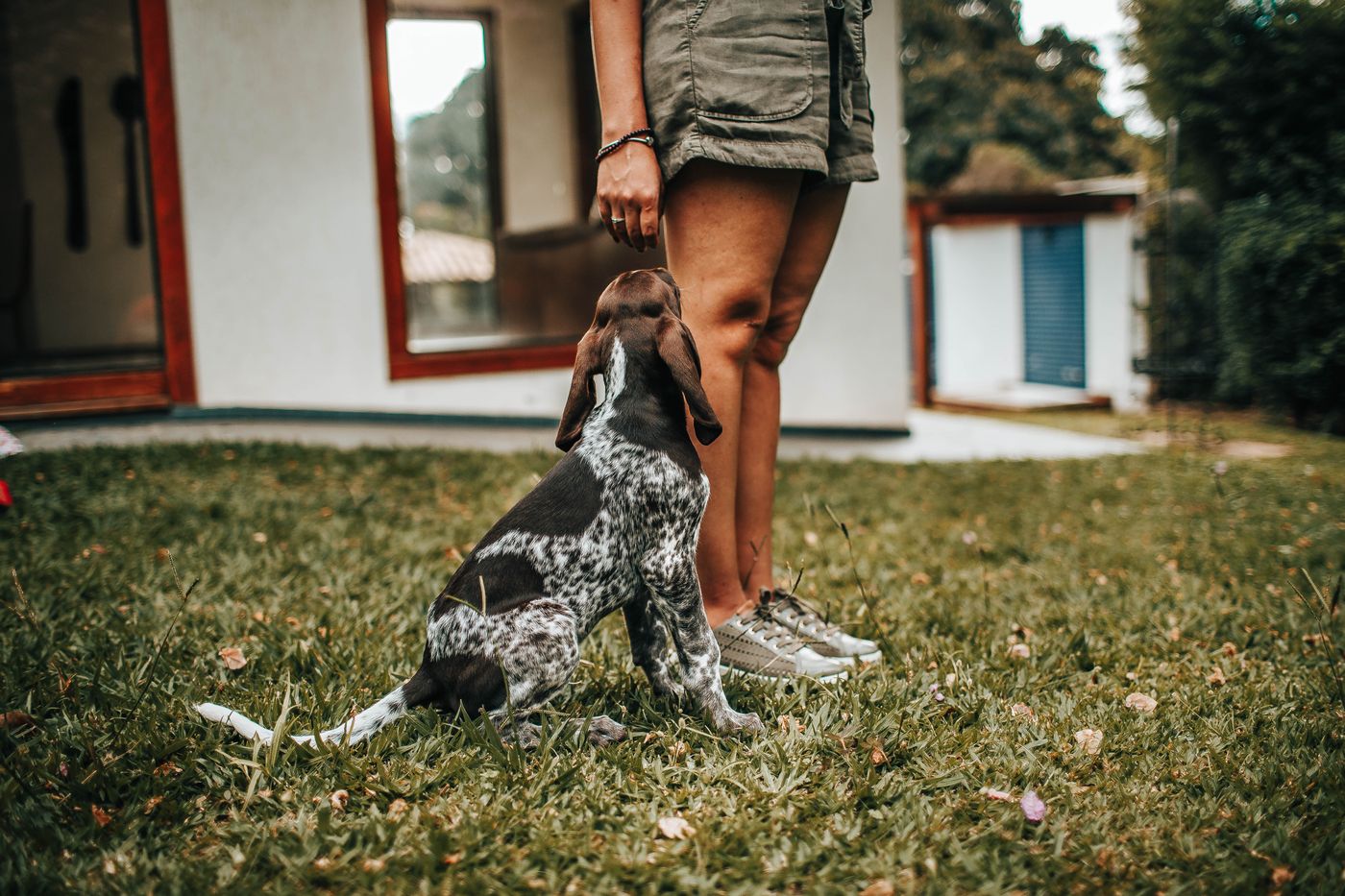
Say the name once when your dog is nearby and comfortable. When they turn or otherwise orient towards you, mark the moment with a familiar positive word and provide the reward. They do not need to sit, approach closely or maintain prolonged eye contact. The initial skill is simply noticing that the word concerns them.
Keep practice brief and stop while participation remains easy. If there is no response, reduce distractions or wait for a better moment rather than repeating the name more loudly. Check that the reward is something the dog currently values and that they are comfortable receiving it from you.
Give the word a clear job
Use the name to get attention before a separate familiar cue when needed. Calling a name alone does not tell the dog whether to come, wait or leave an object. Keep those actions distinct so the dog can learn what each word predicts.
Avoid using the name as a scolding sound when you find a chewed item or feel frustrated. In daily life, notice easy chances to reward a response before expecting attention outdoors. A quiet garden and a crowded pavement are very different tasks. If the dog suddenly stops responding to familiar sounds, consider the wider context and seek veterinary advice when appropriate rather than assuming stubbornness. Build the skill across settings gradually, preserving a friendly reason to listen.